
























Jaren Jackson Jr. Trade to the Utah Jazz Shakes Up NBA Trades Today Ahead of the 2026 Deadline

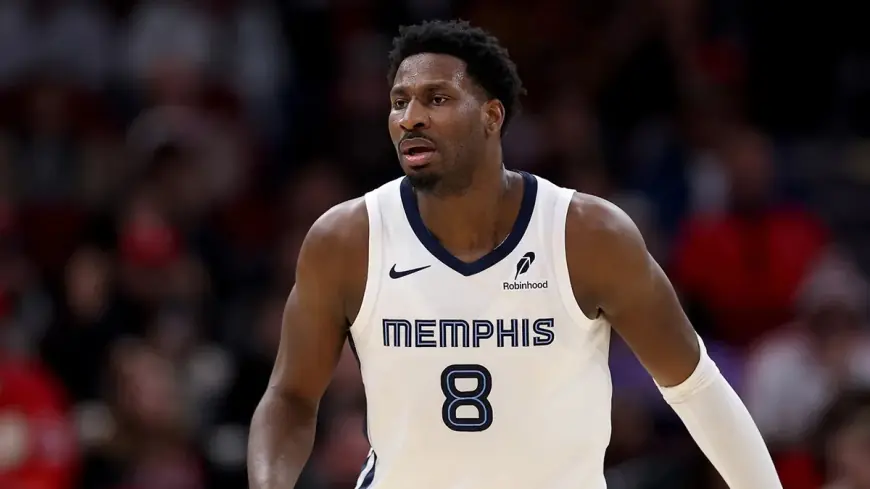
One of the biggest NBA trades today is now official: Jaren Jackson Jr. is headed from the Memphis Grizzlies to the Utah Jazz in a sweeping, eight-player deal that also moves key rotation pieces and three future first-round picks. With the NBA trade deadline set for Thursday, February 5, 2026 at 3:00 p.m. ET, the move signals that Utah is ready to spend assets for an immediate defensive anchor, while Memphis is pivoting hard toward picks, prospects, and flexibility.
The trade, completed Tuesday, February 3, 2026, sends Jackson to Utah alongside John Konchar, Vince Williams Jr., and Jock Landale. Memphis receives rookie guard Walter Clayton Jr., plus Kyle Anderson, Taylor Hendricks, and Georges Niang, along with three first-round picks.
What happened: The JJJ trade package and who moved where
Utah Jazz receive:
-
Jaren Jackson Jr.
-
John Konchar
-
Vince Williams Jr.
-
Jock Landale
Memphis Grizzlies receive:
-
Walter Clayton Jr.
-
Kyle Anderson
-
Taylor Hendricks
-
Georges Niang
-
Three future first-round picks
On paper, it’s a classic deadline archetype: an established two-way star to a team chasing a higher ceiling, and a haul of younger pieces and draft capital to the team resetting its timeline.
Why the Jazz made this move: Lauri Markkanen needs a defensive co-star
Utah’s biggest issue has been defensive stability and rim protection consistency, especially when lineups stretch bigs away from the paint. Jackson solves multiple problems at once. He can protect the rim, switch more comfortably than traditional centers, and create turnovers that fuel transition offense.
That matters because the Jazz already have an efficient, high-volume scoring forward in Lauri Markkanen. Pairing Markkanen with a defense-first star big changes the team’s profile from “fun offense, leaky defense” to a roster that can actually win ugly when shots stop falling.
The other subtext: this isn’t only about this season. Utah is buying identity. Jackson gives the Jazz a clear defensive foundation that can define the next several years of roster building.
What this means for Walker Kessler and the Jazz roster
The immediate question in Utah is how Walker Kessler fits alongside Jackson. There are two realistic pathways:
-
Dual-big alignment: Jackson as the mobile four who can roam and block shots as a weak-side terror, with Kessler handling more traditional paint duties.
-
Stagger and dominate: keep one elite rim presence on the floor nearly all game, avoiding the defensive drop-offs that can come with bench units.
Either way, Jackson’s arrival reduces the Jazz’s need to “win shootouts” every night and raises the floor of their defense in playoff-style basketball, where every possession is hunted.
Why Memphis did it: picks, prospects, and a clean slate
For Memphis, this is a reset that prioritizes future control. Jackson is a prime-age star, but moving him now signals the Grizzlies believe their current competitive window needs a full recalibration rather than a patch.
Taylor Hendricks is the most intriguing “swing” piece in the return: a modern forward archetype who can grow into a high-impact defender with spacing upside. Walter Clayton Jr. adds a young guard to develop, while Kyle Anderson and Georges Niang bring immediate rotation competence and lineup versatility.
The three first-rounders are the centerpiece. In a league where star movement is constant, having extra firsts is less about drafting three teenagers and more about having leverage: the ability to trade for the next disgruntled star, to move up in a draft, or to survive injuries without locking into mediocrity.
Jaren Jackson Jr. contract and the value calculus
Jackson is in the middle portion of a long-term deal, which is part of why Utah paid a premium. Star-level defenders rarely hit the market, and when they do, the price is steep because they change a team’s ecosystem more than scorers who can be scheme-planned against.
For Utah, the contract offers predictability: Jackson isn’t a short-term rental. For Memphis, moving a major long-term salary now opens future flexibility and reduces the risk of being stuck in the middle of the standings without a clear path upward.
Behind the headline: incentives, stakeholders, and what’s missing
The incentives are straightforward:
-
Utah wants legitimacy and a defensive backbone to support Markkanen and the team’s young guards.
-
Memphis wants maximum future optionality and a reset of timelines and salary commitments.
Stakeholders with the most pressure:
-
Utah’s front office, because spending three first-rounders creates a clear expectation of winning progress.
-
Memphis’s young core, because the team now needs development outcomes to justify moving a franchise pillar.
What we still don’t know:
-
Whether Utah will make a follow-up deal before the February 5 deadline to balance the roster around Jackson.
-
How Memphis plans to use the picks: slow build through the draft, or consolidation into a new star later.
What happens next: 5 realistic scenarios with triggers
-
Utah climbs fast if Jackson’s defense immediately stabilizes late-game execution and the team stops bleeding points in the paint.
-
Fit questions emerge if Utah’s spacing tightens too much in dual-big lineups, forcing a rotation rethink.
-
Memphis flips veterans again if Anderson or Niang becomes attractive to contenders before 3:00 p.m. ET on February 5.
-
Hendricks becomes the long-term headline if he turns into a plus defender who can also punish closeouts.
-
Draft-pick dominoes fall across the league if this trade pushes other teams to accelerate their own moves before the deadline.
This is the kind of deal that doesn’t just change a box score. It changes direction. Utah is choosing structure and defense around a proven star big. Memphis is choosing future leverage and flexibility, betting that the next great Grizzlies team will be built with assets acquired now.