

























Could Trump Nationalize U.S. Elections? Constitutional Barriers Explained

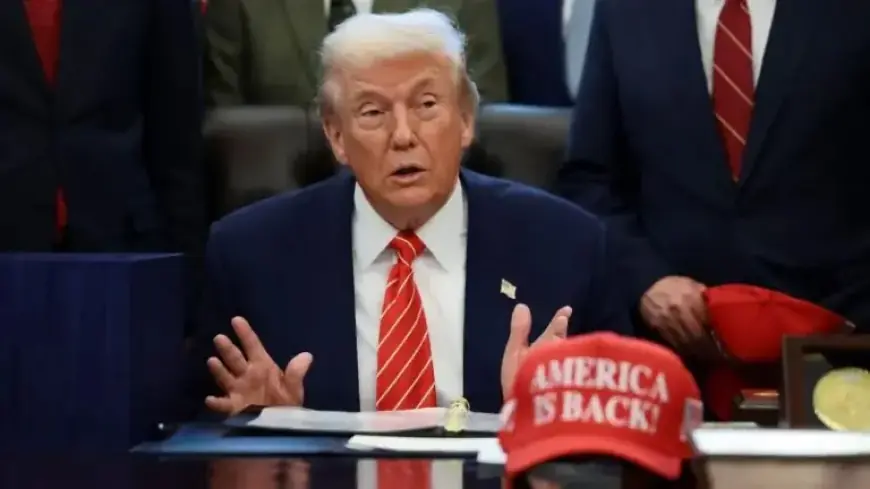
President Donald Trump’s recent suggestion to “nationalize the voting” has raised significant concerns among election experts. The comments come amidst ongoing debates about U.S. election integrity and the powers granted to the states and federal government.
Trump’s Call for Nationalizing Elections
During an interview with podcaster Dan Bongino, Trump urged Republicans to take a more proactive role in managing elections. He stated that the party should “take over the voting” in certain areas, though exact locations were not specified. This statement has alarmed many due to its implications about federal involvement in state-administered elections.
Constitutional Constraints on Election Administration
The U.S. Constitution specifically restricts the federal government’s powers in conducting elections. Article I, Section IV, which is known as the “Elections Clause,” assigns state legislatures the authority to dictate the times and methods for holding elections. Congress can regulate these processes but does not grant the president oversight.
- The Elections Clause outlines that only states have the right to manage how elections are conducted.
- Any federal takeover would require congressional action, which is highly unlikely.
Expert Opinions on Trump’s Comments
Experts, including Colorado Secretary of State Jena Griswold and Professor Lori Ringhand, have expressed deep concern over Trump’s proposals. They emphasize that the Constitution does not empower a president to regulate elections and that his rhetoric undermines the electoral process. Ringhand remarked on the significance of the peaceful transfer of power and the importance of safeguards to prevent election fraud.
The Role of Congress
While states primarily handle elections, Congress retains the capacity to set national standards. However, recent history shows Congress has been reluctant to exert this authority. The Help America Vote Act of 2002 was the last major legislation that invoked such federal power in elections.
Current efforts by Republicans, such as the proposed SAVE Act, are focused on tightening voting regulations but have faced opposition as potential overreach. Senate Republicans have criticized previous Democratic efforts to impose federal standards, illustrating the partisan divide over election laws.
The Implications of Federal Control
Trump’s push for a federal role in elections poses logistical challenges and could hinder the effectiveness of local election officials. Many experts argue that the current decentralized election system is designed to prevent systemic fraud and accommodate local needs.
- The decentralized structure includes over 10,000 election jurisdictions across the United States.
- Each state has unique regulations concerning polling hours, early voting, and mail-in ballot procedures.
This ongoing debate highlights a significant tension between federal authority and state rights, a principle deeply ingrained in American governance. Legal scholars and election officials assert that Trump’s proposals veer away from established constitutional norms.
Conclusion
As discussions about nationalizing U.S. elections continue, it is vital to recognize the constitutional barriers that prevent such changes. The integrity of the electoral process is foundational to democracy, and any attempt to alter that landscape should be approached with caution and respect for established laws.
In summary, Trump’s remarks have opened a dialogue about the fundamental principles of how elections are conducted in the United States. The potential consequences of a federal takeover could profoundly affect the electoral landscape, and it is crucial for lawmakers to heed the constitutional frameworks that govern these processes.