

























Claude Crash Disrupts Thomson Reuters and LexisNexis Unreasonably

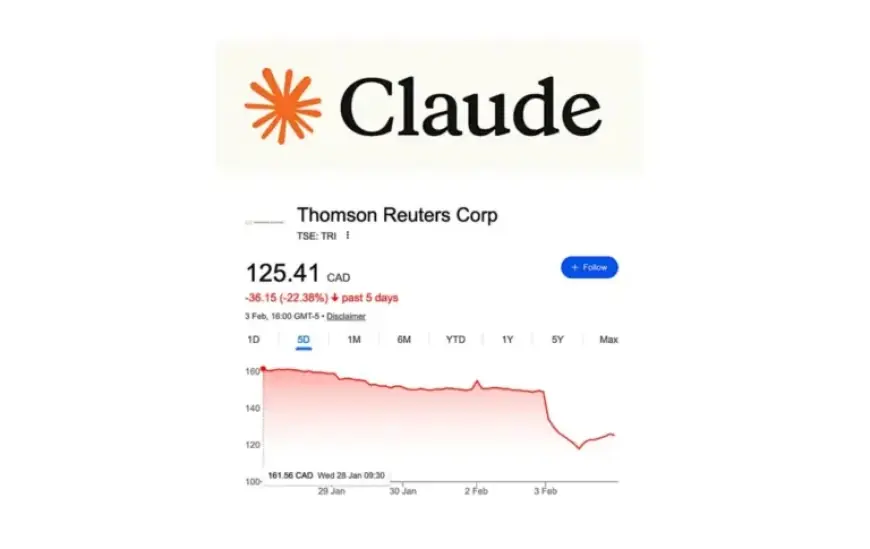
The legal technology landscape has recently experienced turmoil, as the announcement of Anthropic’s entry into this sector is causing significant stock sell-offs among major legal data companies. This phenomenon, termed the “Claude Crash” by analysts, primarily affects Thomson Reuters, RELX (owner of LexisNexis), and Wolters Kluwer.
The Claude Crash: An Overview
Following Anthropic’s reveal of its AI tools targeted at the legal sector, stock prices for these firms have dropped substantially. For instance, Thomson Reuters’ stock declined by 22%, while RELX saw a 20% drop. Even companies like LegalZoom, which differ from these giants, faced similar downturns, indicating a sector-wide reaction rather than a calculated market response.
Market Reaction and Stock Performance
- Thomson Reuters: Down 22% in five days.
- RELX: Owner of LexisNexis, down 20%.
- Wolters Kluwer: Significant decline evident.
- LegalZoom: Notable drop despite being a different entity.
Understanding the Reaction
The adverse market reaction raises questions. Anthropic’s new plugins are complex and may require significant support to implement, making widespread adoption by law firms unlikely. Companies already aligned with established legal AI providers may not rush to transition to these new offerings.
Unique Position of Legal Data Giants
Thomson Reuters, RELX, and Wolters Kluwer hold extensive databases of legal information, including case law and contract data. These resources are difficult to replicate, providing the firms with a significant competitive advantage.
While Anthropic’s plugins may compete with basic tools, they do not match the comprehensive offerings of these legal data leaders. Their extensive libraries, combined with advanced AI capabilities, create barriers for new competitors.
Long-Term Implications for the Legal Tech Market
The immediate sell-off may seem excessive, especially considering the long-term resilience of established firms. As firms continue to prioritize robust, trusted legal technologies over basic plugins, their fundamental market positions are unlikely to be eroded significantly.
The Future for Legal Firms
While some smaller firms may consider Anthropic’s innovations, larger firms tend to prefer established brands that cater to their complex needs. Notable law firms like Freshfields adopt a customized approach but represent a minority in the field.
Conclusion
Anthropic’s foray into the legal tech scene represents a pivotal moment, heralding the possibility of increased competition. However, established data giants are well-positioned to withstand this disruption. Although the market’s volatility may present challenges for less sophisticated technologies, those offering integrated solutions backed by expansive data will likely thrive amidst change.
For ongoing insights into the evolving legal technology landscape, visit Filmogaz.com.