
























Toronto Toys “R” Us Closure Reflects Decline in Canada’s Big-Box Toy Retail

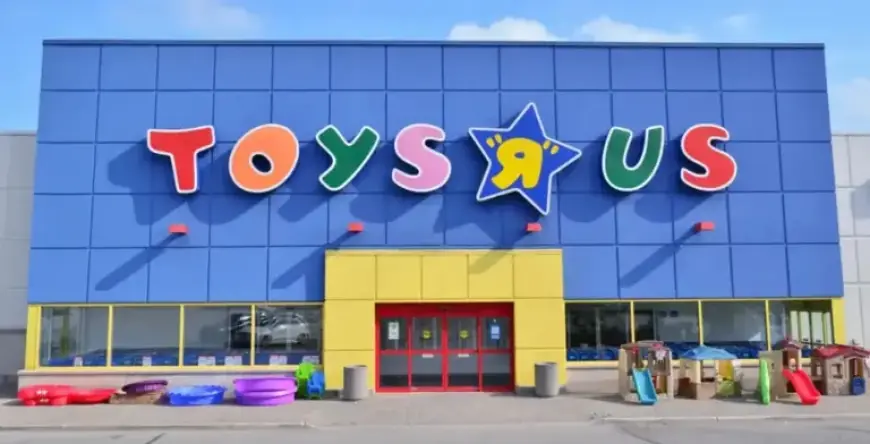
The recent closure of the Toys “R” Us store in North York highlights the declining landscape of big-box toy retail in Canada. This closure follows a lawsuit from RioCan Lawrence Allen Centre due to unpaid rent. Currently, only 22 Toys “R” Us locations remain operational across the country.
Toys “R” Us in Canada: A History of Decline
The once popular toy chain has experienced significant reductions in operational locations. After Fairfax Canada’s acquisition of Toys “R” Us in 2018, the chain was purchased by Doug Putman of Sunrise Records in 2021. Prior to these acquisitions, Canada had 81 active stores.
Remaining Locations
As of now, the remaining Toys “R” Us stores are primarily clustered in Ontario, with a few others in Alberta, Manitoba, and Quebec. Notably, two locations in Saskatchewan, located in Saskatoon and Regina, are set to close soon according to media reports.
Changes in Consumer Behavior
Consumer toy purchasing behaviors have shifted dramatically toward online shopping, reducing the relevance of traditional big-box stores. Daniel Tsai, a consumer behavior expert at Queen’s University, points to fierce competition from online retailers such as Amazon.
- Online shopping offers convenience and variety.
- Consumers now prefer the simplicity of purchasing toys from home.
- In-person shopping experiences at stores like Toys “R” Us have diminished.
Families increasingly choose to shop at retailers like Walmart and Costco, which dedicate sections for toys among other goods. This shift has contributed to the challenges faced by Toys “R” Us.
The Future of Toys
As traditional toy sales decline, new market trends are emerging. Tsai identifies rising trends like Labubu and blind boxes, which are likely to shape the future market. He emphasizes a greater fragmentation of toy preferences as niche products capture consumer interest.
With the growing influence of technology, including Artificial Intelligence, Tsai predicts it will play a significant role in the education, entertainment, and toy markets. Children are increasingly attracted to digital games and applications, further decreasing their interest in traditional toys.
The ongoing evolution in toy retail raises questions about the future of big-box stores. As consumer habits continue to change, so too does the landscape of toy shopping in Canada.