

























USDA Deploys Flies at US-Mexico Border to Combat Screwworm Infestation

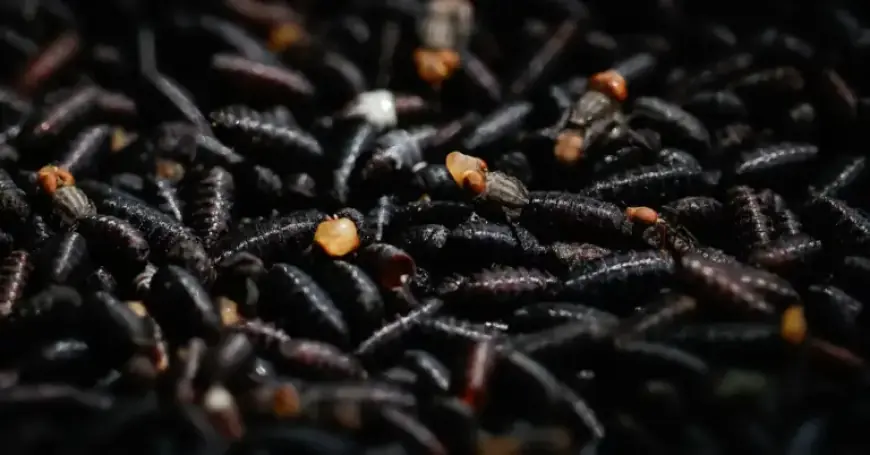
The U.S. Department of Agriculture (USDA) is activating a new strategy to combat the spread of New World screwworms by deploying sterile flies. This initiative aims to protect livestock in southern Texas and the U.S.-Mexico border region. Recent reports indicate a rising number of screwworm infestations in the Mexican state of Tamaulipas, raising concerns about potential impacts on U.S. agriculture.
Deployment of Sterile Flies
The USDA will release glow-in-the-dark sterile flies in Mexico and parts of Texas. This action comes as officials respond to approximately 20 screwworm infestations detected since December 26. Screwworms are known to lay eggs in the wounds of warm-blooded animals, causing severe tissue damage and often resulting in fatalities if untreated.
Impact on Livestock and Beef Prices
- The USDA has suspended imports of Mexican livestock to prevent the pest’s spread.
- This suspension has contributed to a cattle shortage, driving beef prices to record highs in the U.S.
Production of Sterile Flies
The USDA currently produces approximately 100 million sterile flies weekly at a facility in Panama. Officials recognize that increasing this number is essential for effectively eradicating the screwworm population. Future plans include building a production facility in Texas, expected to become operational within a year.
Creating a Buffer Zone
The USDA will establish a buffer zone by dispersing sterile flies 50 miles into Texas, close to the Tamaulipas border. This effort aims to halt the screwworms’ northward movement. The current population of screwworms in Tamaulipas presents a significant threat, as it suggests an established local presence of the pest.
Fluorescent Dye Usage
To differentiate sterile flies from wild ones, the USDA plans to apply a fluorescent dye to the sterile flies pre-hatching. This dye will allow officials to spot the sterile flies under ultraviolet light, aiding in their monitoring efforts.
Historical Context and Future Prospects
The U.S. successfully eradicated screwworms in the 20th century through aerial dispersal methods. Experts believe that, under current conditions, the effective release of sterile flies must outnumber wild populations to achieve success.
As the USDA steps up its efforts to combat the New World screwworm, regional climate conditions may influence the pest’s movement. Cold weather in Texas may temporarily limit the spread, but livestock transport continues to pose a risk for infestation in new areas.
In summary, the USDA’s proactive measures to deploy sterile flies aim to safeguard U.S. livestock against the screwworm threat while addressing the broader implications for beef supply and pricing.