





















Yuki Kawamura returns to NBA mix as Chicago reshapes backcourt depth

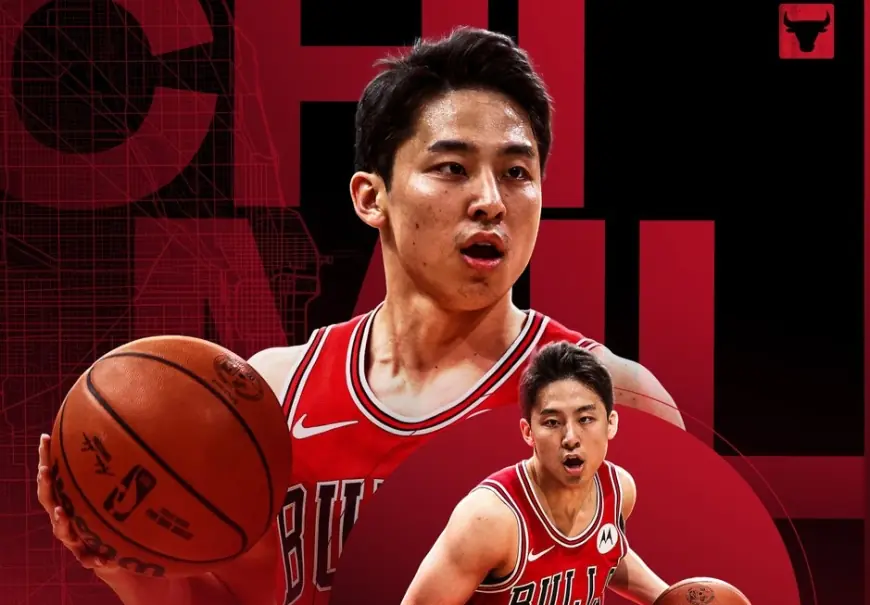
Yuki Kawamura is back on an NBA track after a midseason two-way signing that reopened a door many thought had closed when he was cut in the fall. The 5-foot-8 Japanese point guard has been medically cleared following a leg-related issue that sidelined him for months, and his return comes as Chicago continues to shuffle its guard rotation ahead of the February trade deadline.
Two-way return after medical setback
Chicago signed Kawamura to a two-way contract on Tuesday, January 6, 2026 (ET), bringing him onto the NBA roster while also keeping him available for the team’s G League affiliate. The move followed a training-camp release in mid-October, when a lower-right-leg issue derailed what had been a promising preseason audition.
In the weeks after that release, Kawamura underwent treatment related to a blood-clot diagnosis in his right leg. The key development is simple: he is now cleared to play again, and the two-way deal formalizes the comeback.
Key takeaways
-
Kawamura is back on a two-way contract after being cleared to return to play.
-
The move adds a quick-creation guard option during a period of injuries and trades.
-
His pathway remains narrow, but his skill set fits a modern depth role: pace, passing, and pressure.
Why Chicago took the flier
Two-way contracts are designed for exactly this kind of bet: a low-cost roster slot for a player who can help in short bursts now while being evaluated for a longer-term role. For Chicago, the timing matters. The team has been juggling injuries and minute-to-minute availability in the backcourt, and the front office has been active as the trade market heats up.
Kawamura offers a specific profile that can be valuable even if the minutes are limited: he pushes tempo, he can turn a broken possession into a paint touch with a quick first step, and he’s a high-volume passer who sees angles early. In other words, he can keep an offense organized when starters sit, especially in lineups that struggle to create clean looks.
The other part of the equation is optionality. A two-way signing lets a team test whether an undersized guard can survive NBA defensive targeting while still delivering enough playmaking to justify a spot. If it works, it’s a bargain. If it doesn’t, the roster spot stays flexible.
What the numbers say so far
Kawamura’s U.S. résumé is still small, but it’s not empty. He appeared in 22 NBA games last season with Memphis, averaging 1.6 points in limited minutes as a reserve. His more revealing sample came in the G League, where he had steadier playing time and produced as a creator, including strong assist numbers.
Internationally, his profile is clearer. At the Paris Olympics, he averaged 20.3 points and 7.7 assists for Japan across three games—production that underscored both his confidence and his ability to generate offense against top competition. That performance didn’t erase the obvious physical challenges of the NBA, but it did sharpen the argument for giving him another look.
The translation question is the same one small guards always face: can the speed and decision-making compensate for the defensive mismatch risks? Coaches can hide a player for stretches, but opponents will hunt. The path to real minutes requires near-flawless execution on offense and a plan on defense that doesn’t break the overall scheme.
Roster churn near the deadline
Kawamura’s return is also happening during a broader period of roster reshaping. Chicago has made moves that signal a willingness to adjust the team’s direction, including deals that alter positional depth and open up evaluation minutes. In that environment, fringe roster players can suddenly see real run—sometimes because of injuries, sometimes because the organization wants longer looks at younger pieces.
One important wrinkle: recent transactions have also changed the math of the team’s two-way slots, creating openings and shifting which developmental players sit closest to the NBA rotation. That may not sound glamorous, but it’s often the difference between a player getting spot minutes in February and spending the month entirely in the G League.
For Kawamura, that context is favorable. A team in transition is more likely to experiment, and a guard who can organize possessions has a clearer chance to earn a “break glass in case of emergency” role.
What to watch next
The next few weeks will likely determine whether this stint becomes more than a feel-good return. Three things matter most:
First, availability. After a clot-related absence, staying on the floor is the prerequisite for everything else.
Second, role clarity. If he’s used as a tempo guard who stabilizes second units, the expectations are manageable: keep turnovers down, create a few easy shots for teammates, and hit enough open threes to prevent defenses from ignoring him.
Third, defensive survivability. If opponents can force switches onto bigger scorers every possession, the minutes dry up quickly. If he can compete, draw charges, and keep the ball in front just enough for the team to protect him with help, the coaching staff can justify keeping him in the mix.
For now, Kawamura is exactly where a two-way player wants to be in February: healthy, rostered, and on a team with enough uncertainty to make opportunity real.
Sources consulted: Chicago Bulls, NBA, FIBA, Sports Illustrated