




















US-Iran Tensions Escalate: A Detailed Analysis

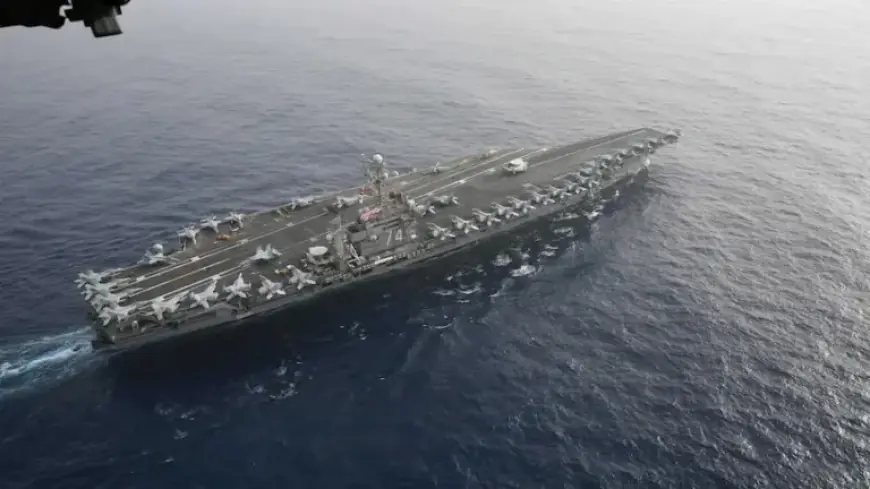
The tensions between the United States and Iran have escalated recently, marked by military confrontations and complicated diplomatic negotiations over Iran’s nuclear program. Notably, the U.S. shot down an Iranian drone that approached the USS Abraham Lincoln in the Arabian Sea.
US-Iran Military Escalation
The recent military incident was initiated when the Iranian drone was perceived as a threat by U.S. forces. Captain Tim Hawkins, a spokesman for the U.S. Central Command, confirmed that the drone was intercepted in self-defense. This action underscores the precarious nature of the current geopolitical climate in the region.
Diplomatic Negotiations on Nuclear Program
In tandem with military action, diplomatic efforts are ongoing. President Donald Trump has expressed a willingness to negotiate with Iran regarding its nuclear program. He stated, “They had a chance to do something a while ago… We are negotiating with them right now.”
Iran’s Position on Negotiations
According to Admiral Ali Shamkhani, an advisor to Iran’s Supreme Leader, Iran is open to talks but insists on clear terms. He emphasized that negotiations will focus solely on the nuclear issue, dismissing any broader discussions about ballistic missiles.
Claims of Peaceful Intent
Admiral Shamkhani assured that Iran does not seek to develop nuclear weapons, stating, “We do not seek nuclear weapons, we’ll not seek a nuclear weapon and we’ll never weaponize our nuclear facilities.” However, he demanded concessions from the U.S. in return for Iran’s commitment to a peaceful nuclear program.
The Risk of Miscalculation
Experts warn about the potential for miscalculation in this tense environment. Will Todman, a senior fellow at the Centre for Strategic and International Studies, noted that missteps could lead to unintended military confrontations. “The militaries are actually fighting each other” is a real concern, he stated.
U.S. Military Strategy
President Trump’s strategy appears to involve limited interventions to avoid extensive military entanglement. Despite assertions that previous operations severely weakened Iran’s nuclear capabilities, questions remain about the discrepancies in the U.S. approach toward negotiations.
Conclusion
The situation between the U.S. and Iran remains fluid, balancing on a knife-edge between military confrontation and diplomatic dialogue. The developments highlight the complex dynamics that shape U.S.-Iran relations, particularly concerning nuclear policy and regional stability.