























Judge Limits Federal Tear Gas, Munition Use at Portland ICE Protests

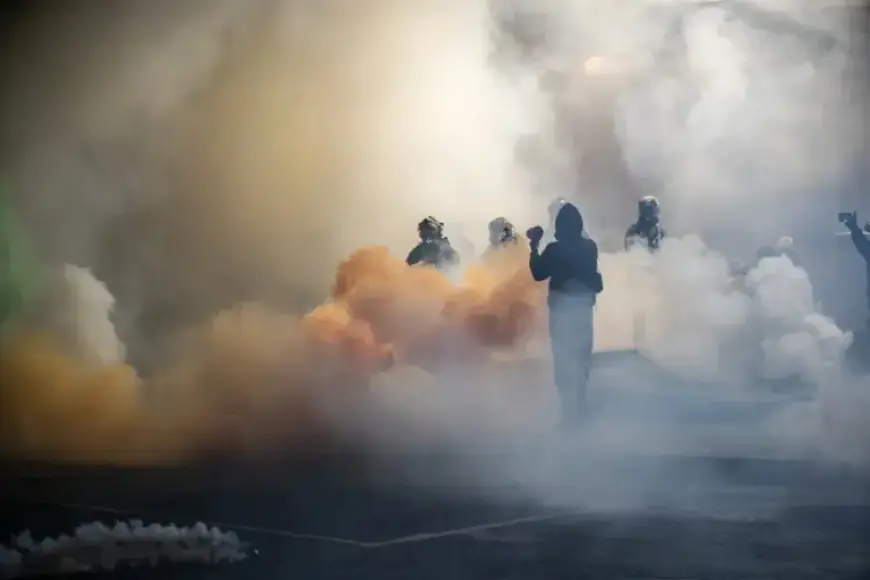
A federal judge in Portland has placed significant restrictions on the use of tear gas and other munitions by federal officers at the U.S. Immigration and Customs Enforcement (ICE) facility. This decision follows complaints from protesters and journalists about excessive force used during demonstrations.
Recent Ruling by Judge Michael H. Simon
U.S. District Judge Michael H. Simon issued a temporary order that limits federal officers from deploying tear gas, pepper balls, or rubber bullets unless there is an imminent threat to officers or others. He stated that nonviolent protesters have repeatedly been exposed to unjustified violence from federal enforcement at the ICE facility located at South Macadam Avenue and Bancroft Street.
Context of the Protests
The protests in Portland have intensified since June 2020, as activists opposed the Trump administration’s strict immigration policies. Judge Simon emphasized the importance of protecting First Amendment rights, citing that the right to protest is essential in a democratic society.
Key Provisions of the Ruling
- Federal officers are prohibited from using chemical or projectile munitions against individuals unless they pose an “imminent threat of physical harm.”
- Officers cannot aim weapons at the head, neck, or torso of any individual unless deadly force is justified.
- Federal officers are restricted from using munitions against individuals accused of trespassing unless they are a direct threat.
The judge’s ruling also includes a requirement for Homeland Security officials to distribute a copy of the order to all officers assigned to the ICE facility. A hearing for further proceedings is set for March 2, where protesters seek to convert the temporary order into a preliminary injunction.
Responses to the Order
In response to the ruling, an official from the Department of Homeland Security compared the demonstrations to rioting. Assistant Secretary Tricia McLaughlin stated that while the First Amendment protects peaceful assembly, it does not extend to rioting behaviors. She reaffirmed that obstructing law enforcement is a federal offense.
Incidents Leading to the Ruling
The judge’s order comes shortly after federal officers used tear gas and pepper balls on demonstrators at the ICE facility. These incidents occurred during a rally organized by the “Labor Against ICE,” which saw thousands participating, including families.
Background of the Case
Several plaintiffs, including demonstrators and freelance journalists, filed the case, alleging excessive force by federal officers. Notable individuals involved include Jack Dickinson, known for his symbolic attire during protests, and Portland residents Laurie and Richard Eckman.
Evidence presented highlighted a troubling pattern of aggressive tactics employed by federal officers, with testimonies demonstrating excessive force without proper justification. Judge Simon’s order aims to put an end to these practices and ensure the safety and rights of protesters.
Future Implications
The temporary order reflects a heightened judicial oversight of law enforcement’s crowd control strategies. It marks a significant moment in the ongoing discourse around the balance between law enforcement and civil liberties amid public protests.
As society grapples with issues surrounding free speech and the right to protest, this ruling serves as a reminder of the vital role the judiciary plays in upholding constitutional rights.