“Pizzagate” resurfaces after Epstein document dump, fueled by “pizza” mentions and misreads

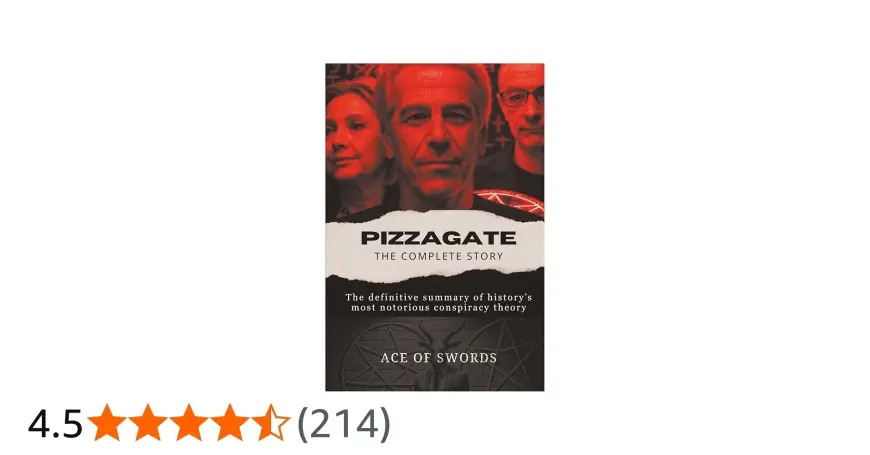
A new wave of “Pizzagate” chatter has surged online in early February 2026 after the Justice Department’s expanding public library of Jeffrey Epstein records prompted users to keyword-search for “pizza” and treat ordinary references as coded proof of a debunked conspiracy theory. The spike has pushed unfamiliar names—like Roy Hodges—into trending lists, even though the documents themselves do not establish any child-trafficking narrative tied to a pizza business or to the people being circulated in viral posts.
The renewed attention is less about new confirmed facts and more about how a massive document release, stripped of context and shared in fragments, can revive old conspiracies that have already led to real-world harm.
What “Pizzagate” was—and why it was debunked
“Pizzagate” began in 2016 as a false claim that a child sex-trafficking ring was being run from a Washington, D.C., pizzeria. Law enforcement found no evidence to support those allegations. The hoax escalated into harassment of private individuals and culminated in an armed incident at the restaurant that terrified staff and patrons.
That history matters because the conspiracy is not a harmless internet rumor. It has repeatedly functioned as a pipeline from viral insinuation to doxxing, threats, and, in extreme cases, violence.
Why “pizza” shows up in Epstein records
The Justice Department’s Epstein library contains millions of pages compiled from investigations, disclosures, and related material. In any large archive of emails, schedules, and messages, mundane words will recur often—especially everyday items like “pizza,” which can appear in catering notes, travel logistics, staff meals, and casual conversation.
The current online frenzy is driven by a flawed method: searching for a word and then assuming it must be a code. In practice, the records show that:
-
Many references look like normal food orders or thank-you notes.
-
Some files are duplicated across data sets, inflating the apparent frequency of a term.
-
Search results can surface without surrounding pages that explain who wrote a message, why it exists, or whether it was verified in any investigative process.
The presence of a word is not evidence of a hidden system—especially when the word is common and the context is missing.
Who is Roy Hodges in the “pizza” posts?
Roy Hodges is one of several names being recirculated because a message referencing pizza appears in the public cache and includes “Roy” and “Stephanie Hodges.” Viral posts have treated those names as a major clue, but the documents do not, on their face, explain who they are in a way that supports the conspiracy narrative.
At this stage, the most responsible reading is narrow: a message exists that mentions pizza and includes those names. That’s it. Online claims that attempt to “identify” Roy Hodges as a confirmed participant in criminal activity are not supported by the record being shared in these posts, and the Justice Department’s disclosures are not a substitute for a verified investigative conclusion.
How to read the document dump without falling for false claims
Large-scale public disclosures are easy to misunderstand because they blend raw material (notes, emails, tips) with vetted outcomes (charges, plea agreements, court findings). A few practical rules help separate signal from noise:
-
A name appearing in an email, contact list, or scheduling entry does not prove wrongdoing.
-
Unverified claims in a document can reflect hearsay, lead-tracking, or third-party allegations that never held up.
-
Redactions are designed to protect victims and private individuals, and they can remove context that would otherwise clarify meaning.
Key takeaways:
-
“Pizzagate” remains a debunked conspiracy with a track record of real-world harm.
-
“Pizza” mentions in Epstein-related files are not proof of coded trafficking claims.
-
Roy Hodges is being amplified because of a document fragment, not because of a confirmed finding.
What happens next as more records roll out
The Justice Department has indicated the library can be updated as additional releasable documents are identified. That means periodic spikes in online speculation are likely to continue—especially when a searchable trove intersects with pre-existing conspiracy narratives.
The more important test will be whether platforms, public officials, and community leaders can reduce the harm that follows: protecting private individuals from viral misidentification, preventing threats and harassment, and keeping the focus on verified facts and victim protections rather than sensational reinterpretations of isolated words.
Sources consulted: U.S. Department of Justice, Reuters, Associated Press, Time