

























Markiplier’s Iron Lung Box Office and Reviews: A Creator-Led Horror Experiment Turns Into a Real Theatrical Story

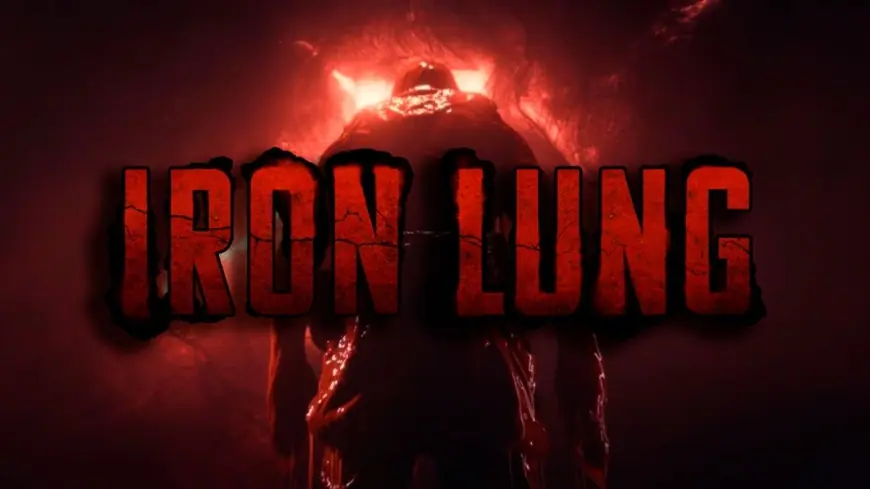
Markiplier’s feature film Iron Lung is no longer just an internet curiosity. After its wide North American rollout on Friday, January 30, 2026 ET, the sci fi horror adaptation translated fan energy into a concrete box office result and a loud, split reaction from critics and audiences. The movie’s financial performance is especially notable because it was treated like a grassroots release for much of its buildup, then suddenly behaved like a mainstream opening once it hit thousands of screens.
At the same time, Iron Lung has become one of the clearest recent examples of a new theatrical playbook: a creator with a built-in audience turning a niche, high-concept horror premise into a weekend event, complete with collectible merch like the Iron Lung popcorn bucket.
Iron Lung box office: opening weekend numbers and what they mean
Iron Lung opened in North America on January 30, 2026 ET and posted an opening weekend in the high teens domestically, finishing its first weekend around 18 million dollars in the United States and Canada. Early international markets added a few million more, putting the worldwide start around the low 20 million range.
On paper, those totals are meaningful for two reasons.
First, the production budget was reported around 3 million dollars, which means the film cleared its stated production cost quickly on gross revenue alone. That does not equal profit once marketing, distribution fees, and theater splits are considered, but it does signal that the theatrical bet was not symbolic. It was commercial.
Second, the release scale matters. Iron Lung did not play like a limited indie title. It debuted in more than 3,000 theaters domestically, which is the kind of footprint that turns a movie into a true weekend test rather than a slow burn.
The headline takeaway: Iron Lung is already a box office success relative to its cost, and it did it through audience mobilization, not traditional star power.
Iron Lung reviews: why the reaction is so split
Iron Lung reviews have landed in the mixed zone, and the division makes sense once you understand what movie it is trying to be.
What critics and skeptical viewers tend to flag
-
Slow pacing and long stretches of waiting, listening, and staring into darkness
-
A deliberate, minimal setup that can feel thin if you want plot density
-
The risk of monotony in a story built around confinement inside a small vessel
What supporters and genre fans tend to praise
-
Atmosphere over jump scares, with a heavy emphasis on dread and sound design
-
A commitment to an oppressive setting that feels tactile and unpleasant in the right way
-
A finale that leans into cosmic horror rather than tidy explanation
In other words, Iron Lung plays like a controlled experiment. If you go in expecting a conventional crowd-pleasing horror ride, it can feel undercooked. If you go in wanting a grimy, claustrophobic descent that prioritizes mood, it can feel distinct and surprisingly confident for a first feature.
Behind the headline: why this movie became a real box office story
The incentives here are unusually clear.
For Markiplier, the incentive is creative legitimacy and ownership. A theatrical release signals that this is not a side project or content expansion. It is a bid to be taken seriously as a filmmaker, even if the result is imperfect.
For theaters, the incentive is traffic. In a crowded market, a creator-driven film can bring in audiences who do not automatically show up for mid-budget horror. That is especially valuable in the post-pandemic era where consistent attendance is still uneven.
For the audience, the incentive is participation. Iron Lung has been marketed like an event you help make happen. Buying a ticket becomes both entertainment and a statement that your community can move real numbers.
The second-order effect is bigger than this one movie. If this model keeps working, more creator-led films will chase wide releases, and studios will have to decide whether to partner, compete, or imitate.
The Iron Lung popcorn bucket: why it is part of the story
The Iron Lung popcorn bucket has become a mini headline of its own because it captures the current theater trend: merchandise that functions as both souvenir and social post. The design is themed to the film’s core object, a small submarine, and it has been sold as a limited-edition collectible through a major theater chain’s retail channel.
This matters because it shows how creator fandom and theatrical merchandising now reinforce each other. The bucket is not just a novelty. It is an additional reason to attend opening weekend rather than wait, and it turns moviegoing into a tangible badge of belonging.
What happens next: realistic scenarios to watch
-
Week two drop versus staying power
If the film falls fast, it still counts as a front-loaded win. If it holds, it becomes a stronger case study for creator-led theatrical legs. -
Expansion of international release
A wider overseas footprint could push the worldwide total well beyond its early 20 million range, especially in markets where creator fandom travels. -
A second-wave marketing push driven by reactions
Mixed reviews can help horror if the conversation stays loud. The trigger is shareable audience clips and word-of-mouth about the experience, not the plot. -
The bigger career signal
If Iron Lung is seen as commercially viable, it opens doors for the next project, whether that is another genre film, a larger budget, or a partnership with traditional distributors.
Iron Lung is not being judged only as a horror movie. It is being judged as proof that an online creator can move theatrical demand at scale. The early box office suggests the demand is real. The reviews suggest the artistic bet is riskier. Together, that combination is exactly what turns a release into a story.