
























Grammys controversy widens after Billie Eilish’s “Wildflower” win and speech

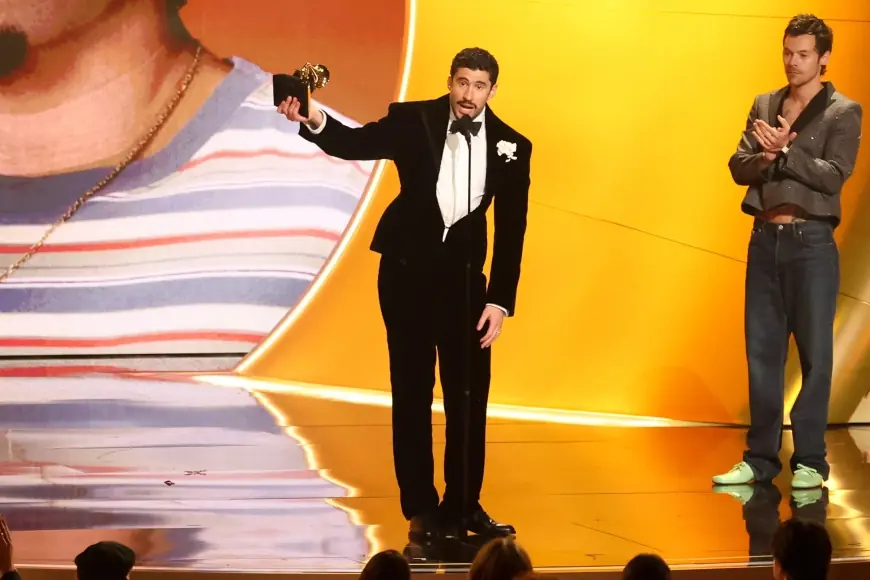
The 2026 Grammys ended with one of the night’s biggest awards—and one of its loudest political moments—after Billie Eilish and Finneas won Song of the Year for “Wildflower.” Within hours, the acceptance speech sparked a rolling set of reactions: online debate over artists using the stage to address immigration enforcement, a public response from the Tongva tribe after “stolen land” remarks, and a separate flare-up after Emily Austin posted a mocking reaction video.
The result is a rare post-show cycle where the song, the speech, and the questions about public responsibility are all traveling together, keeping attention on the ceremony days after the trophies were handed out.
Grammys moment turns into a weeklong story
Sunday night, February 1, 2026 (ET), the ceremony in Los Angeles repeatedly intersected with the national immigration debate, with multiple winners referencing enforcement actions and protests. The sharpest flashpoint came during Eilish’s Song of the Year acceptance for “Wildflower,” when she criticized immigration enforcement and framed the issue in moral terms tied to land and belonging.
The Recording Academy’s broadcast bleeped profanity, but the message landed clearly enough to dominate headlines and social feeds. Even for a show that often generates “morning-after” fashion recaps and winner takeaways, this was a “days-after” story: not about category strategy or voting blocs, but about how far political expression on a mainstream awards stage can go—and how quickly the pushback arrives.
Billie Eilish and “Wildflower” take top songwriting prize
Musically, the win adds another major Grammy to Eilish’s resume and cements “Wildflower Billie Eilish” as more than a fan-favorite cut from an earlier album cycle. In the Song of the Year category, the award is specifically a songwriting honor, which also keeps focus on the creative partnership between Eilish and her brother, Finneas.
At the same time, the conversation around the win has been unusually tangled with non-musical reactions—some praising the speech as timely, others arguing the moment overshadowed other nominees. That tension has fueled a familiar post-awards argument: whether high-profile winners receive disproportionate attention from voters over time. What’s different here is how quickly that debate merged with a separate, more localized issue about land acknowledgment.
Tongva tribe response shifts focus to land acknowledgment
After the “stolen land” line circulated, attention turned to whose land the Los Angeles basin historically is, and what meaningful acknowledgment looks like beyond a slogan. The Tongva tribe offered a public response that emphasized clarity and education—welcoming visibility for Indigenous history while also stressing the importance of explicitly naming the people whose territory is being referenced.
The tribe’s response also highlighted a practical tension that often surfaces when celebrities engage these topics: broad statements can create headlines, but local communities may still want direct engagement, specific naming, and sustained support. In this case, the tribe’s message reframed the debate from “gotcha” commentary to a more concrete request—greater public understanding that the region remains Tongva territory in a cultural and historical sense, even as the legal and political landscape is far more complex.
Emily Austin backlash adds a second front
A parallel controversy flared after Emily Austin—described in recent coverage as a sports broadcaster and political influencer—shared a video of herself reacting to Eilish’s remarks with an eye-roll and mocking caption. The clip spread quickly, and criticism followed, with commenters accusing her of chasing attention and dismissing the substance of the moment.
That backlash matters because it shows how the Grammys storyline split into two simultaneous threads: one about the content of Eilish’s speech, and another about who gets amplified for reacting to it. In other words, the post-show ecosystem didn’t just debate the message—it debated the performance of having an opinion about the message.
What happens next for the ceremony’s politics
The immediate question is whether the Grammys’ leadership responds beyond general statements about the power of music. The longer question is whether artists now see the awards stage as a reliable place to make political appeals, or whether the blowback will push future speeches toward safer territory.
A few indicators will shape what comes next:
-
If more nominees and winners continue to use major televised moments to comment on immigration enforcement, the “one-off” becomes a pattern.
-
If Indigenous groups keep pushing for explicit naming and direct engagement, land acknowledgment language may get more specific—or face more scrutiny.
-
If reaction clips remain the fastest path to virality, the post-show conversation may keep rewarding commentary over context.
For now, the 2026 Grammys are being remembered not only for who won, but for how one Song of the Year moment expanded into a wider debate about activism, accountability, and attention.
Sources consulted: The Recording Academy; Reuters; ABC News; Pitchfork