

























Australia’s Solar Power Surges Past Coal, Boosting Nighttime Battery Use

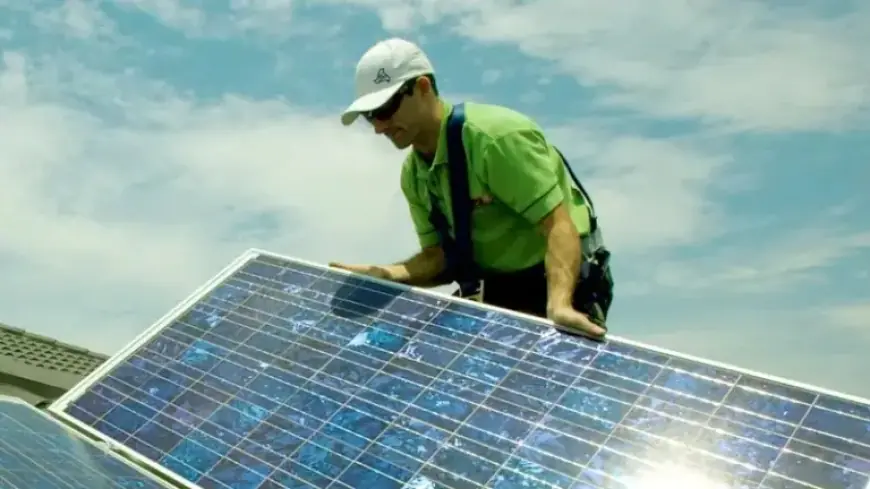
A significant evolution in Australia’s energy landscape has emerged as residential battery usage has surged, surpassing coal’s contribution to the electricity grid. As of late 2025, Australian households acquired 183,000 battery units in the last six months, marking a fourfold increase compared to the previous year. This figure is nearly equivalent to the total sales over the past five years combined.
Milestone in Solar Energy Adoption
The Clean Energy Council’s new data highlights a turning point for renewable energy in Australia. The total capacity of rooftop solar energy has reached 28 gigawatts, outpacing the 22.5 gigawatts available from the country’s coal-fired power plants. This shift reinforces Australia’s position as a global leader in solar energy adoption, with more than one in three households equipped with solar panels.
Government Support and Market Dynamics
The surge in battery purchases follows substantial rebates introduced by the Albanese government, incentivizing households to invest in battery systems for solar energy storage. Industry leaders are heralding this growth as “phenomenal,” noting it enhances energy reliability while aiming to decrease electricity costs.
- 183,000 battery units sold in second half of 2025.
- 28 gigawatts of rooftop solar capacity across 4.3 million homes.
- 22.5 gigawatts from coal-fired power stations.
Impact on Energy Prices
Traditionally, the lack of battery storage meant solar panels generated excess energy during peak sunlight hours, leading to power shortages when demand peaked in the evenings. With increased battery adoption, more households can store energy for later use, alleviating pressure on the grid and stabilizing electricity prices.
Energy Minister Chris Bowen emphasized that home batteries offer a pathway for Australians to manage their energy expenses effectively. They ensure that households can utilize their generated solar power during peak hours, resulting in significant cost-of-living benefits.
Future Prospects and Challenges
Despite the promising trends, experts caution that the transition to a renewable-dominated grid will require enhanced coordination of stored energy resources. The Australian Energy Market Operator is advocating for the expansion of “virtual power plants.” These initiatives would aggregate battery capacities across numerous homes, helping maintain grid stability and efficiency.
- Need for improved energy orchestration.
- Importance of additional gas-powered generators.
- Challenges from intermittency of sun and wind.
As Australia grapples with rising energy costs, the increasing integration of solar power and battery storage presents an opportunity to create a more sustainable and economically viable energy future. The ongoing evolution towards renewable energy sources not only aims to reduce electricity costs but also positions Australia as a formidable player in the global energy transition.