

























Trump’s Kennedy Center Closure Plan Shocks Workers and Performers

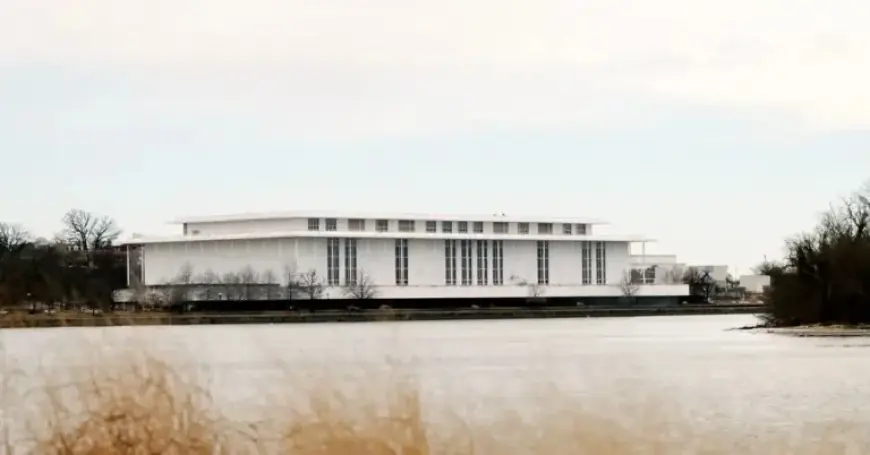
The announcement from President Trump regarding the closure of the John F. Kennedy Center for the Performing Arts this summer caught many by surprise. The center will undergo a two-year renovation, creating uncertainty for artists, employees, and subscribers. The closure is scheduled to begin on July 4, coinciding with the celebrations of the country’s 250th anniversary.
Impact on Employees and Performers
Employees are expressing concern over job security. Anne Vantine, president of a union representing box office workers, reported a barrage of inquiries from anxious staff members. Many fear for their livelihoods amid these radical changes.
The National Symphony Orchestra’s leadership has promised to assist musicians in finding alternate venues during the renovation period. Joan Bialek and Jean Davidson, officials of the orchestra, reassured staff that a formal plan is underway.
Planned Renovation Details
Trump characterized the Kennedy Center as “decrepit” and emphasized the need for a “new and spectacular entertainment complex.” Critics argue this approach differs significantly from traditional planning methods, which typically involve detailed strategies to limit disruption to patrons and staff.
Michael Kaiser, former president of the Kennedy Center, cautioned that closing the venue carries risks, including loss of ticket sales and donor engagement. He emphasized the importance of keeping operations running during renovations to maintain audience connections.
Scheduled Productions
- “The Outsiders”
- “Back to the Future”
- “Mrs. Doubtfire”
- Children’s musical “Fraggle Rock”
- Vienna Philharmonic concert in March
This closure raises unresolved questions regarding several productions booked after the July 4 date, along with ticket holders’ rights. The Kennedy Center has not commented on how programming or staffing will be affected.
Challenges Ahead
Key figures in the arts community are also considering how to manage the future of the Kennedy Center’s audience base. David C. Bohnett, former chairman of the Los Angeles Philharmonic Association, expressed concerns about keeping patrons connected through the renovation timeframe.
Planning will be critical, as players like the Washington National Opera have begun securing alternate venues. Francesca Zambello, the opera’s artistic director, noted proactive measures in identifying locations to ensure performances continue.
The Way Forward
The upcoming renovations represent a significant chapter for the Kennedy Center. While the intention is to modernize and beautify the institution, the implications for workers, performers, and long-term patrons remain unpredictable. Coordinating logistics and encouraging continued engagement will be vital for a successful transition amidst these sweeping changes.
As preparations unfold, industry leaders hope to navigate this period with resilience, ensuring that the Kennedy Center emerges as a vibrant venue once renovations are completed.