

























Would You Choose Seaweed Bottles Over Glass for Your Wine?

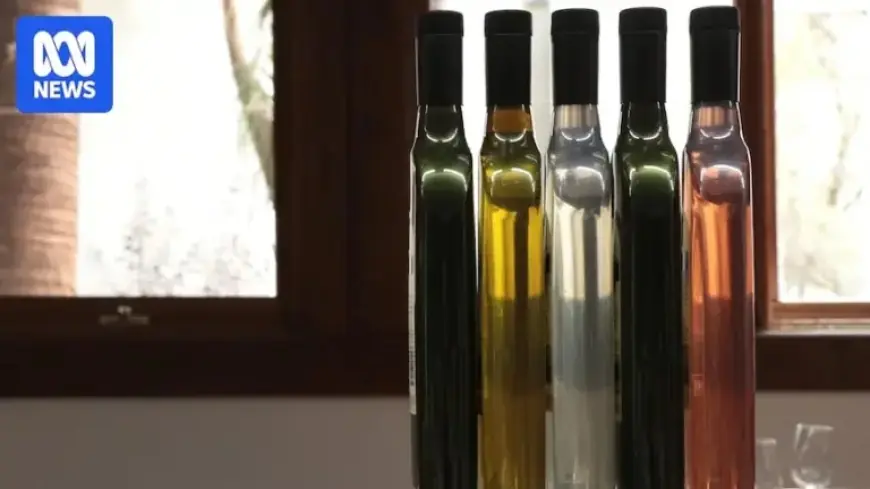
The wine industry is increasingly exploring eco-friendly alternatives to traditional glass bottles. As consumer preferences shift towards sustainability, the focus is on innovative packaging, including seaweed bottles and other plant-based materials.
Emerging Alternatives to Glass
Recent initiatives aim to reduce the carbon footprint associated with wine packaging. These efforts are supported by the Australian government, which has allocated $2 million through the Business Research and Innovation Initiative. The funding is divided between two companies: Wine One and Packamama, each receiving $1 million to develop low-emission bottle designs.
- Wine One: Advancing a premium stainless steel bottle.
- Packamama: Developing sustainable polymer bottles utilizing recycled materials.
Environmental Impact
Julian Marchant, program manager at Wine Australia, highlights that the wine sector contributes roughly 1.77 million tonnes of carbon dioxide annually. A significant portion of this figure stems from heavy glass bottles, which are energy-intensive to produce and transport.
Marchant states, “There are several ways to lower emissions,” emphasizing the importance of both lighter glass and alternative materials.
Innovative Solutions by Packamama
Santiago Navarro, CEO of Packamama, underscores the potential of using alternative materials like seaweed for packaging. The company’s flat bottle design is crafted from recycled polyethylene terephthalate (PET), which is a recyclable thermoplastic polymer.
Navarro believes their early research has shown an ability to halve emissions compared to traditional packaging methods:
- Flat bottle design saves space.
- Utilizes by-products from the food industry, avoiding the use of potential food supplies.
- Explores seaweed as a fast-growing, abundant resource for creating polymers.
Future Goals for the Wine Industry
Wine Australia has set ambitious emissions-reduction targets. The goal is to achieve a 42% reduction by 2030 and to reach net zero by 2050. As part of this initiative, many brands are part of the Sustainable Wine Roundtable’s lightweight bottle charter, which aims to cut the average weight of bottles by 25% by the end of the year.
This reduction translates to:
| Current Weight | Target Weight |
|---|---|
| 550 grams (1.3 kg full) | Below 420 grams (1.17 kg full) |
To effectively track progress, Wine Australia is conducting a study to evaluate the decarbonization of its supply chain, as the industry navigates towards its climate goals.
The Future of Wine Packaging
Navarro emphasizes that the adoption of sustainable packaging is essential for the wine industry’s climate commitment. “If alternative packaging isn’t embraced, Australian wine risks failing to meet emissions targets,” he warns.
Australia has a strong track record of innovation in wine packaging, already known for cask wines and screw-cap designs. The transition to seaweed bottles and other sustainable materials could represent a significant step forward for the industry, paving the way for a low-carbon future.