

























Australia’s Forestry Industry Warns: Imported Timber Threatens Local Jobs

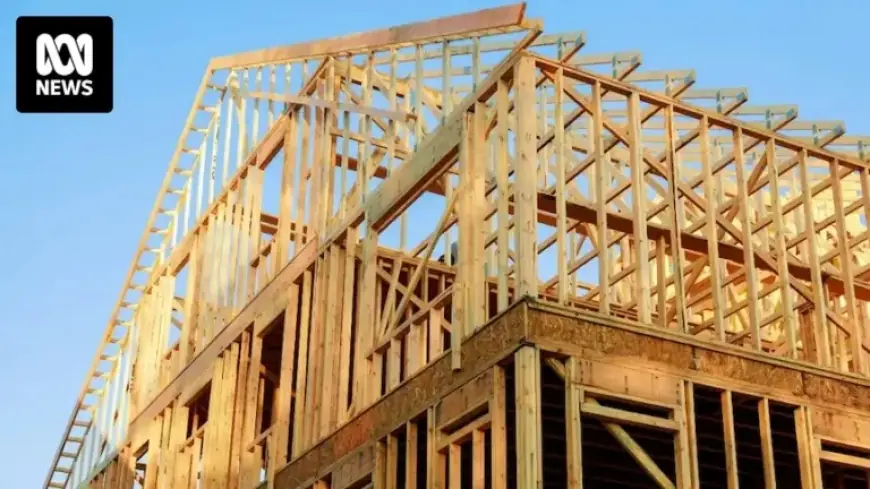
The Australian forestry industry is voicing serious concerns about the impact of cheap imported timber on local employment and manufacturing. With imports increasingly flooding the market, many in the sector worry about the long-term consequences for domestic jobs.
Imported Timber’s Impact on Local Jobs
Nathan Paine, chief executive of the South Australian Forest Products Association (SAFPA), highlights that international trade dynamics, particularly influenced by US tariffs, are allowing imported timber to undercut local prices. This situation could threaten local manufacturing capabilities.
“We’re witnessing a significant absorption of timber demand by cheaper imports,” Paine stated. “In this competitive environment, local producers are struggling to keep pace.”
Statistics on Timber Imports
Recent data from Forest and Wood Products Australia reveals alarming trends:
- Laminated veneer lumber (LVL) imports surged by 63% in 2025 compared to the previous year.
- The price of imported timber plummeted to as low as $404 per cubic meter, marking a 56% decline.
Paine emphasizes that this downturn is not merely cyclical; rather, it reflects deeper structural challenges. “Our market share is being eroded not only by steel but also by these low-cost imported goods,” he added.
The Pandemic’s Role in Timber Supply
The COVID-19 pandemic exacerbated existing supply issues, leading to timber shortages and soaring prices. Paine argues that the crisis has revealed the need for Australia to prioritize domestic processing capabilities over reliance on imports.
“While lower prices may be appealing now, they pose a serious risk for our future production capacity, especially during potential crises,” he cautioned.
Policy Recommendations Ahead of Elections
As the South Australian state election approaches, SAFPA is advocating for government commitments to utilize more locally sourced timber. Primary Industries Minister Clare Scriven expressed support for the timber sector, stating that South Australian timber products are unmatched in sustainability and quality.
“Our commitment to the local industry is strong, and consumers should consider these factors when choosing timber products,” Scriven remarked.
Local Industry and Future Supply Chains
Currently, Australia imports approximately $7 billion worth of timber annually, while exports stand at about $2.8 billion. Simon Croft, CEO of Housing Industry Australia, points out that pandemic-related disruptions led to rising costs in construction materials.
“With international supply chains now stabilizing, we are beginning to see a moderation of price increases, enabling builders to engage in fixed-price contracts,” Croft noted.
Moving forward, Croft emphasizes the importance of securing a robust domestic supply chain. This involves not just meeting immediate housing demands but planning for future needs as well. He advocates for a long-term strategy extending beyond 2050 to ensure Australia has a reliable supply of key construction materials.