
























Catherine O’Hara’s Death Casts Spotlight on Rare Dextrocardia Condition

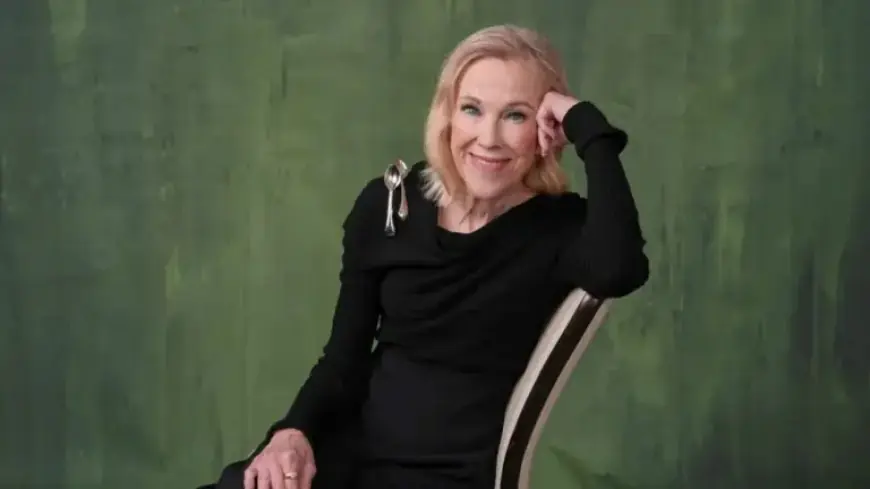
The recent passing of Catherine O’Hara has drawn attention to dextrocardia, a rare congenital heart condition. O’Hara, known for iconic roles in “Home Alone” and “Schitt’s Creek,” experienced this condition without awareness until adulthood.
Understanding Dextrocardia
Dextrocardia affects approximately 1 in 10,000 individuals. In this condition, the heart and other internal organs are positioned in mirror images of their typical locations. For example, in someone with dextrocardia, the heart is located on the right side of the body while the stomach is also on the right side, and the liver is on the left.
Congenital Heart Defects
- One in 100 newborns is born with a congenital heart defect.
- Dextrocardia can lead to various complications, including arrhythmias and respiratory issues.
- The condition can go undiagnosed into adulthood, with many only discovering it incidentally.
O’Hara was 71 years old at her death, and while the cause remains undetermined, her health issues included breathing difficulties leading to a hospital visit. In a past interview, she disclosed her diagnosis of dextrocardia with situs inversus, revealing that this condition can manifest with no symptoms for many years.
The Implications of Dextrocardia with Situs Inversus
Experts explain that dextrocardia with situs inversus occurs when the body’s organs form on the incorrect side during embryonic development. While many individuals experience no serious complications, a mix of organ orientations can lead to significant health issues.
- Potential complications include:
- Torsion of the intestines, requiring surgical intervention.
- Bronchiectasis, a chronic lung condition.
- Ciliary dyskinesia, affecting male fertility.
Furthermore, the connection between dextrocardia and other congenital heart diseases exists through the misplacement of major arteries. In some cases, this could result in life-threatening conditions that only emerge later in life.
Importance of Early Diagnosis
With advances in fetal imaging, about 80% of congenital heart defects are now detected before birth. However, not all cases are identified early. Those who have congenital heart conditions may not experience symptoms until later in life, such as shortness of breath or heart rhythm issues.
Cardiologists emphasize the importance of regular check-ups. If you have concerns regarding heart health or a family history of congenital defects, consult your primary care provider or cardiologist.
Conclusion
Catherine O’Hara’s death serves as a reminder of the importance of awareness around congenital heart conditions, particularly dextrocardia. As adult survivors of congenital disorders increase, the need for ongoing care and research becomes crucial.