Epic Aims to Entice PC Gamers Away from Steam

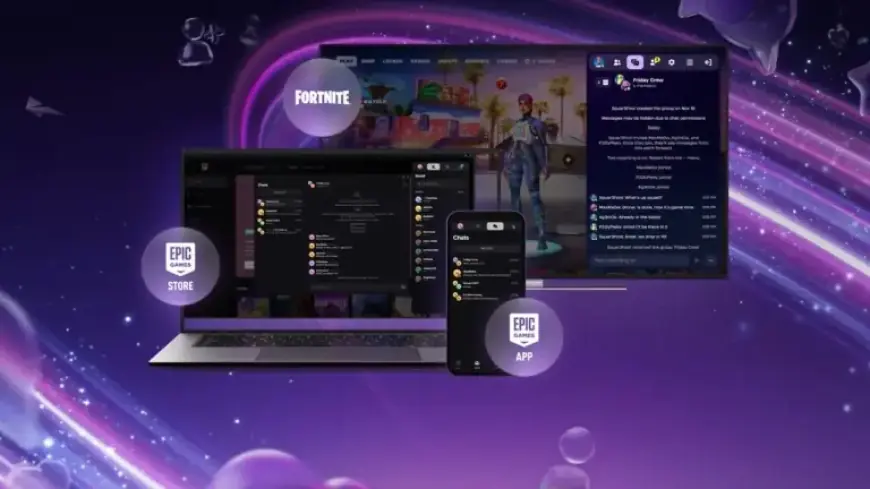
Epic Games launched the Epic Games Store in 2018 as a direct challenge to Steam, aiming to shift PC gamers away from Valve’s platform. Despite this effort, Steam continues to dominate the PC gaming market. Recently, I spoke with Steve Allison, the Vice President and General Manager of the Epic Games Store, to discuss recent developments and future strategies.
2025 Performance and Future Projections
In 2025, players spent approximately $400 million on third-party PC games within the Epic Games Store, indicating a significant increase of 57% from the previous year. Overall, spending on the store rose to $1.16 billion, up 6% year-over-year. The store achieved a record high of 78 million Monthly Average Users (MAUs) in December 2025. However, average MAUs saw a slight decrease of 1%, and Daily Active Users (DAUs) dropped by 2%.
Store Enhancements and Market Positioning
One of the primary issues identified by Epic is the user experience on the Epic Games Store compared to Steam. Allison mentioned efforts to improve the store’s interface, aiming for greater speed and efficiency. This revamped platform is expected to launch by June 2026.
Epic views its platform as a “multiplatform store” that connects users across PC, Mac, iOS, and Android. Upcoming features include forums to build community engagement, which has been recognized as lacking thus far.
Leveraging Fortnite to Gain Market Share
Central to Epic’s marketing strategy is the popular game Fortnite. To encourage more gamers to use the Epic Games Store, Epic plans to offer exclusive Fortnite cosmetics as incentives for purchasing games. Partnerships with companies like Capcom and miHoYo are in the pipeline to maximize this strategy.
User Engagement and Conversion Rates
Allison noted that many users initially visit the Epic Games Store to obtain free games. However, he claims a conversion rate of 16-25% for these new users, which helps to mitigate the perception that the platform is primarily a free game source.
Shifting Strategies for Exclusives
Epic’s early strategy focused heavily on securing exclusive titles, but this approach has evolved. Currently, the store features over 6,000 games while maintaining fewer than 150 exclusive deals. Allison emphasized that the focus is shifting to funding and supporting projects that align more closely with Epic’s long-term goals.
Profitability and Market Share Goals
When discussing profitability, Allison highlighted that the store is approaching break-even status. Epic is committed to investing in third-party games while aiming for a consistent 25-30% market share. Over time, as market conditions stabilize, the platform expects to achieve profitability.
- 2025 player spending on third-party games: $400 million (up 57%)
- Total player spending: $1.16 billion (up 6%)
- Peak MAUs: 78 million
- Average MAUs drop: 1%
- Average DAUs drop: 2%
Epic Games remains focused on enhancing the Epic Games Store, converting new users, and leveraging its popular franchises to compete with Steam in the flourishing PC gaming market.