























Students Design Eco-Friendly Bus Stops and Air Purifiers to Combat Climate Change

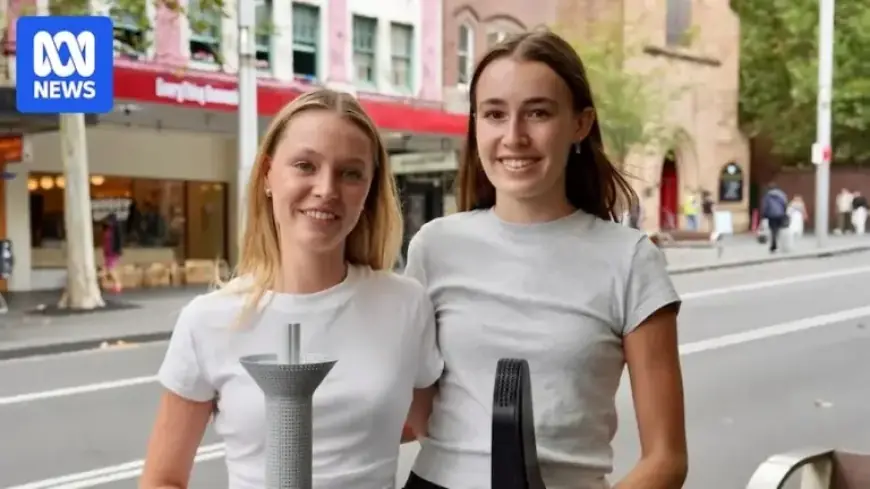
Students from the University of Technology Sydney (UTS) and the University of Sydney have created innovative designs to address climate change. Their projects focus on eco-friendly bus stops and air purification systems aimed at improving public spaces and mitigating the impacts of rising temperatures.
Eco-Friendly Bus Stops: The Canopy Project
A team of five students from the University of Sydney developed The Canopy Project. This initiative aims to redesign bus stops in Schofields, a suburb of Western Sydney, to combat the urban heat island effect. Research by Sweltering Cities revealed that only 37% of local bus stops offered adequate shelter, seating, or shade.
- The Canopy Design: Features solar panels, native plants, a bladeless ceiling fan, interactive displays, a micro-library, and seating made of hempcrete and recycled timber.
- The Sapling Design: A smaller version with essential amenities like solar panels and local artwork.
- The Seedling Design: Includes button-controlled adjustable shade and circular seating for community interaction.
Master of Design student Joseph Chong emphasized the importance of creating spaces that encourage public engagement while providing relief from extreme heat. The group hopes these designs will foster a sense of community and enhance the identity of Schofields.
Innovative Air Purifiers: The Luft Design
In a separate initiative, UTS student Freya Rollo designed Luft, an air purification module intended for train platform walls. Rollo’s design includes:
- Material: Made with environmentally friendly materials, featuring an aluminum-coated anti-vandalism pod.
- Filtration: Equipped with a pre-filter and a High-Efficiency Particulate Air (HEPA) filter to effectively remove pollutants.
- Performance: Capable of filtering air in a 300-square-meter radius, providing clean air for approximately 700 breaths.
Rollo’s module also addresses maintenance needs, requiring servicing three to four times a year to ensure ongoing efficiency. Additionally, it incorporates safety features to meet train station standards.
Cooling Solutions: The Terracol Design
Isabella Bucknell, another design student at UTS, introduced the Terracol system, a vertical cooling solution that fits onto street lights. Key features include:
- Dimensions: Standing at 2.2 meters high, with two rainwater catchment systems.
- Cooling Mechanism: Utilizes terracotta panels and phase change materials to reduce surrounding air temperature by approximately six degrees.
- AI Calculation: Designed to cool a four-meter radius, creating a more comfortable outdoor environment.
Bucknell aims to pitch her concept to local councils and governments, hoping to enhance outdoor activities during peak summer heat. She believes her design can contribute significantly to public well-being amid rising temperatures.
The Need for Sustainable Solutions
These student-led initiatives underline the critical need for sustainability in urban planning. As temperatures rise globally, innovative designs like these aim to create more livable environments and address the root causes of climate change.
Experts emphasize that education on sustainability must intersect with all fields of study. Future professionals will inevitably make choices affecting environmental stability, highlighting the importance of awareness and innovation in combating climate change.