

























Asia Heightens Vigilance as Nipah Virus Claims Lives in India

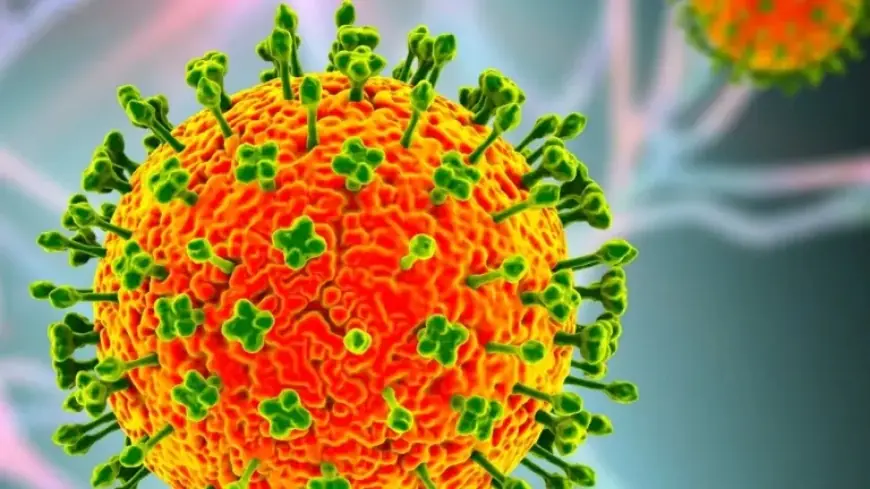
Amid a recent outbreak of the Nipah virus in India, several Asian countries are adopting heightened vigilance measures. The World Health Organization has reported that the human fatality rate of this virus ranges between 40% and 75%. The Indian state of West Bengal has witnessed at least two fatalities this month, prompting nations such as Thailand, Malaysia, and Singapore to introduce new health screenings and testing protocols.
Understanding Nipah Virus
The Nipah virus belongs to the henipavirus family, similar to the Hendra virus, and is classified as zoonotic, meaning it can be transmitted from animals to humans. The first recorded outbreak occurred in Malaysia in 1998. Key transmission modes include:
- Contact with infected bats’ saliva, urine, or feces.
- Consumption of contaminated date palm products, particularly juice or sap.
- Human-to-human transmission, primarily through close contact with infected individuals.
Symptoms of Nipah Virus Infection
Nipah virus infections can manifest within four days to three weeks after exposure. Symptoms are severe and may lead to life-threatening conditions. Common symptoms include:
- Fever
- Seizures
- Difficulty breathing
- Unconsciousness
- Severe headaches
- Motor disturbances
- Personality changes or psychosis
Approximately 50% of severe Nipah cases may result in death, with serious neurological complications such as encephalitis contributing to the high fatality rate. Interestingly, some survivors may experience relapsed encephalitis years later.
Treatment and Prevention
Currently, there is no specific vaccine or established treatment for the Nipah virus. However, researchers in Australia are developing a potential treatment known as m102.4. A phase 1 trial published in 2020 indicated that the treatment was well-tolerated in healthy individuals. The development process is ongoing, and it remains uncertain if it will become a viable treatment option in the future.
Public Health Implications
The ongoing Nipah outbreak in India raises significant concerns. While the disease poses serious risks, experts believe it may not reach the same level of public health threat as COVID-19. The transmission rate is significantly lower, primarily linked to direct contact with infected animals or contaminated food sources.
For those residing outside the affected areas, the risk of Nipah virus infection remains minimal. In the event of illness following travel to infected zones, individuals are advised to inform their healthcare providers about their travel history.
The need for ongoing surveillance and public awareness is crucial. While Nipah is a serious health concern in affected regions, it remains a subject of monitoring for global health authorities.