Android 16 Beta Enhances Pixel’s Adaptive Connectivity

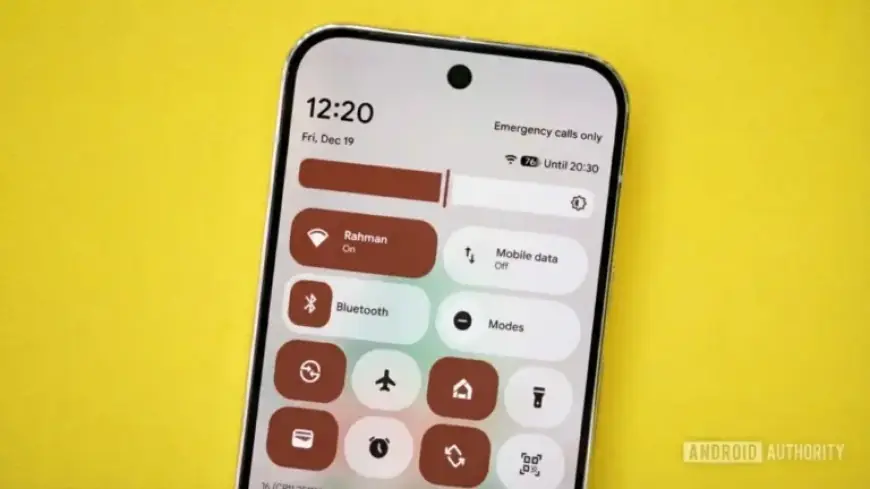
Google has introduced significant enhancements to the Pixel’s Adaptive Connectivity feature with the release of Android 16 QPR3 Beta 2. This update aims to provide users with clearer control over their network connections.
Key Features of Android 16 Beta: Adaptive Connectivity
The Android 16 QPR3 Beta 2 introduces two distinct toggles that improve how devices manage their network connectivity:
- Auto-switch to mobile network: This toggle utilizes mobile data when Wi-Fi signals are weak, ensuring continuous connectivity.
- Optimize network for battery life: This option prioritizes efficient energy use while maintaining a stable connection.
Background and Context
Previously, Google’s Adaptive Connectivity operated as a single on/off switch, lacking clarity on its functionality. Users had no insight into how their devices managed power consumption and connection quality. With the new beta update, these controls are more transparent, allowing users to actively select their preferences.
By default, both options are activated, providing users with enhanced flexibility. The “Auto-switch to mobile network” feature is particularly beneficial for those who often experience dropped connections due to poor Wi-Fi.
Impact on Users
This enhancement addresses a common concern among Pixel users: the balance between connectivity quality and battery efficiency. While the new settings offer more control, users should be mindful that switching to mobile data may lead to higher usage costs.
Currently, this feature is available exclusively in the beta version of Android 16 QPR3. Google is expected to launch one more beta before rolling out the stable version, anticipated in March.
Overall, these changes represent a significant improvement in how Pixel phones handle network connections and battery life, responding effectively to user feedback.