























Groundhog Day 2026: Phil, Chuck see shadows as Willie calls early spring

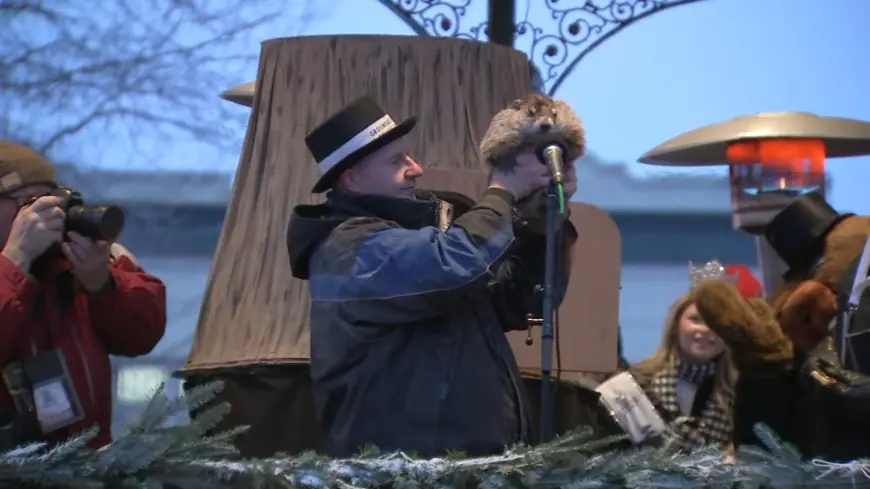
Groundhog Day 2026 delivered a familiar split-screen forecast on Monday, Feb. 2: the most famous groundhog in Pennsylvania called for six more weeks of winter, New York City’s groundhog agreed, and several regional “weather rodents” elsewhere leaned toward an early spring. The annual ritual is more folklore than forecast, but it still shapes the day’s headlines—and gives a quick snapshot of how different regions are feeling about winter right now.
In Punxsutawney, the ceremony at Gobbler’s Knob ended with a shadow sighting and a “more winter” verdict. In parts of Canada and the Mountain West, the story was brighter, with prominent local prognosticators signaling an earlier turn toward spring-like weather.
Groundhog Day 2026 results in brief
Here’s how several well-known animal forecasters (and a few regional rivals) landed this year:
| Forecaster | Location | 2026 call |
|---|---|---|
| Punxsutawney Phil | Pennsylvania | Six more weeks of winter |
| Staten Island Chuck | New York City | Six more weeks of winter |
| Wiarton Willie | Ontario | Early spring |
| Flatiron Freddy | Colorado | Early spring |
| General Beauregard Lee | Georgia | Six more weeks of winter |
| Woody the Woodchuck | Michigan | Six more weeks of winter |
Punxsutawney: a 7:25 a.m. shadow and another winter vote
Phil emerged at about 7:25 a.m. ET on Feb. 2, and organizers said he saw his shadow—triggering the traditional call for six more weeks of winter. This year’s gathering was billed as a milestone anniversary for the long-running event, and crowds again turned out before dawn despite frigid temperatures.
The “shadow” outcome also fits Phil’s historical tendency to lean winterward more often than not. A federal climate-record analysis that tracks these folklore predictions has previously graded Phil’s long-run accuracy at roughly one-third, a reminder that the ceremony is entertainment first and meteorology second.
New York City: Chuck matches Phil’s winter outlook
Later Monday morning, Staten Island Chuck—officially known as Charles G. Hogg—also “saw” his shadow, aligning his 2026 call with Phil’s. The New York ceremony has become a well-established counterpart to the Pennsylvania event, drawing spectators and city attention even as it keeps the same simple premise: shadow equals a longer winter, no shadow hints at an early spring.
Chuck’s handlers and local boosters often tout a stronger track record than Phil’s, and the pairing of matching predictions this year helped reinforce the day’s headline narrative in the Northeast: winter isn’t done yet.
Canada: Wiarton Willie goes the other way at 8:07 a.m. ET
North of the border, the tone shifted. Wiarton Willie made his prediction at 8:07 a.m. ET in Ontario, and the ceremony announced he did not see his shadow—meaning an early spring by tradition. In Quebec, another prominent groundhog also pointed toward an early spring.
Canada’s Groundhog Day events can be as much about community gatherings as the forecast itself, and this year also brought a weather-driven twist: one notable prediction event in Nova Scotia was canceled because of storm concerns, with officials citing unsafe travel conditions and heavy snow potential.
Regional rivalries and what they reflect
In Colorado, Flatiron Freddy delivered an early-spring call that directly contradicted the winter verdict in Pennsylvania and New York. These regional rivalries have become part of Groundhog Day’s modern appeal: communities cheer for their local forecaster, even when it means a different result from the most famous groundhog in the country.
The split also mirrors how winter has felt uneven across North America. Some areas have dealt with repeated cold snaps and snow disruptions, while others have seen stretches that feel more like an extended fall. Groundhog Day compresses that broader experience into a playful yes-or-no storyline.
The practical takeaway for the weeks ahead
For all the pageantry, the best way to treat Groundhog Day is as a cultural moment rather than a true seasonal guide. “Six more weeks of winter” does not mean the same thing everywhere: in much of the U.S. and Canada, it can still be winter by the calendar well into March, even during relatively mild years.
The next real signposts will come from measurable indicators—storm tracks, temperature patterns, and updated seasonal outlooks—rather than a single morning’s shadow. Still, the 2026 results suggest where the public mood is: winter fatigue in many places, but also a persistent sense that cold weather has more to say before spring fully arrives.
Sources consulted: ABC News; CBS News; National Oceanic and Atmospheric Administration; The Canadian Press