

























The Nuclear Arms Control Era Concludes

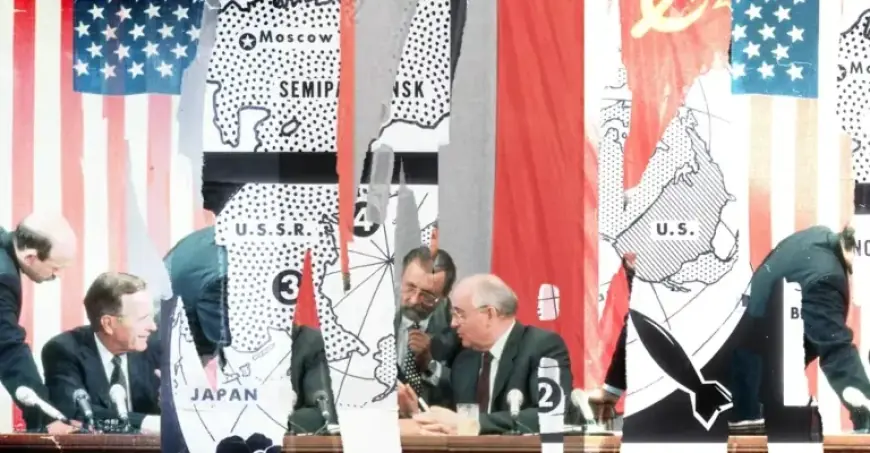
On Thursday, a pivotal chapter in global nuclear arms control will conclude. The New START treaty, the last significant agreement aimed at curbing nuclear arsenals, is set to expire. Since its inception in 2011, this treaty has played a crucial role in maintaining strategic stability between the United States and Russia.
The Importance of New START
The New START treaty has been instrumental in limiting the number of strategic weapons held by the U.S. and Russia. These strategic weapons include long-range missiles and bombers capable of striking targets across vast distances. The treaty, which has governed the relationship between these two nuclear superpowers, is a result of decades of negotiations dating back to the Cold War.
A Brief History of Arms Control Treaties
- SALT (Strategic Arms Limitation Talks): Initiated in the 1960s, it laid the groundwork for future agreements.
- START (Strategic Arms Reduction Treaty): Signed in the late 1980s, it replaced SALT and focused on reducing warhead numbers.
- SORT (Strategic Offensive Reductions Treaty): Signed in 2002, it aimed for further reductions but lacked verification measures.
- New START: Signed in 2010, it established a limit of 1,550 warheads per side and improved verification protocols.
The expiration of New START raises concerns about a renewed arms race between the two countries. With neither side currently bound by numerical limits, both nations could potentially ramp up their nuclear arsenals.
Current Political Climate
The Trump administration has shown little interest in extending or renewing the treaty. In a recent statement, the administration indicated a lack of motivation to pursue its continuation. This stance has drawn criticism from various nuclear experts who advocate for arms control as a means of ensuring global stability.
Potential Consequences of Non-Renewal
- Increased risk of geopolitical instability.
- Heightened tensions between nuclear powers.
- A greater likelihood of a nuclear catastrophe.
Russian officials have stated their willingness to adhere to New START’s limits for an additional year, despite suspending their participation in ongoing treaty processes. This indicates a lingering desire for arms control dialogue, which contrasts with the current U.S. approach.
Experts highlight that maintaining regular meetings, inspections, and information exchanges is essential for building trust among nuclear nations. The absence of agreements like New START could dismantle the established frameworks that contribute to global security.
The Future of Nuclear Arms Control
Looking ahead, the future of international arms control hinges on diplomatic relations and the willingness of both sides to engage constructively. The call for a new agreement that includes China complicates the situation further, as Beijing has already rejected proposals for trilateral negotiations.
Ultimately, the decision regarding the next steps in nuclear arms control rests with the current administration. As experts warn, failing to replace New START could lead to significant risks for global security.