























Sustainable Lithium Mining Process Poised to Transform Western Canada’s Industry

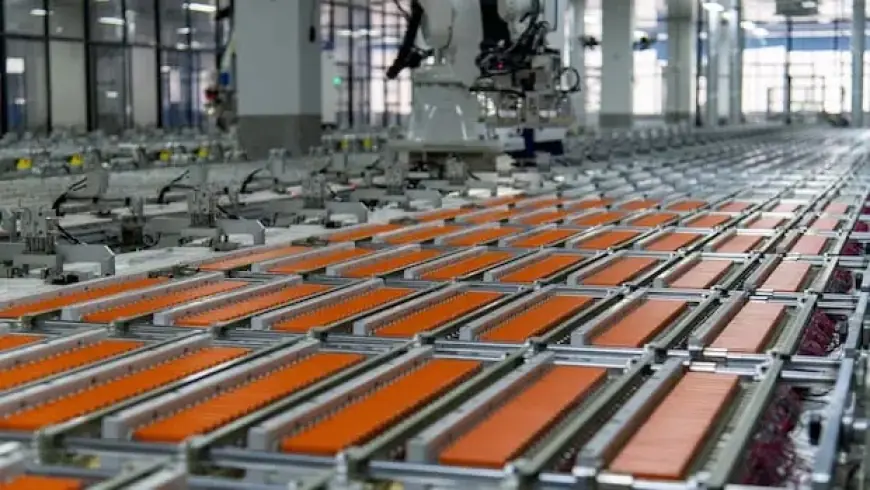
A new approach to lithium mining, known as direct lithium extraction (DLE), is gaining traction in Western Canada. This method represents a potential breakthrough in sustainable lithium mining processes, particularly for regions like Alberta, where existing infrastructure can be repurposed for lithium extraction.
Sustainable Lithium Mining in Western Canada
Companies are exploring DLE to access lithium brines, found in salty underground waters. Traditional extraction methods have proven inefficient for these resources. Kevin Piepgrass, COO of LithiumBank, highlights Alberta’s favorable regulatory environment and infrastructure as key advantages for this new mining process.
Infrastructure and Resources
- Alberta has a history of oil and gas extraction, offering usable infrastructure for lithium mining.
- LithiumBank holds licenses for two projects located 200 to 300 kilometers northwest of Edmonton.
- The old wells originally drilled for oil are now being used to access lithium brines.
DLE could enable more environmentally friendly extraction than traditional methods. Conventional lithium production heavily relies on solar evaporation in regions like the Atacama Desert in Chile, a process not viable in Canada’s climate.
Technological Advantages of DLE
Ngai Yin Yip, a professor of earth and environmental engineering, notes DLE’s potential to cut reliance on solar evaporation. His research team recently demonstrated a new solvent capable of extracting lithium from brines in laboratory settings. This progress suggests a shift toward more scalable DLE technologies.
Comparative Methods of Lithium Extraction
| Method | Environmental Impact | Land Use |
|---|---|---|
| Hard Rock Mining | High emissions | Varies |
| Evaporative Extraction | Lower emissions | 350-600 m²/ton |
| Direct Lithium Extraction | Reduced emissions with clean energy | 16 m²/ton |
Currently, Canada produces around 6,000 tonnes of lithium annually, significantly less than Australia, which produces 88,000 tonnes. Demand for lithium is projected to escalate nearly eightfold by 2040, driven largely by its use in electric vehicle batteries and renewable energy storage.
Environmental Implications of DLE
According to Ehsan Vahidi, an assistant professor at the University of Nevada, the environmental impact of DLE largely hinges on energy consumption. DLE can be more sustainable if powered by renewable energy sources, which Alberta is starting to adopt, despite its reliance on fossil fuels.
Vahidi’s research indicates that DLE not only conserves water but could also lower carbon emissions when integrated with clean energy. “If you have a reliable and sustainable electricity generation system, DLE is one of the best ways to recover lithium,” he concludes.
As industries pivot toward sustainable mining methods, the DLE process stands as a promising development in Western Canada’s lithium mining sector, presenting opportunities for both mining companies and environmental sustainability. For comprehensive insights into this evolving industry, visit Filmogaz.com.