Epstein Files Update: DOJ Document Release Triggers Fresh Backlash, Privacy Crisis, and a New Political Fight

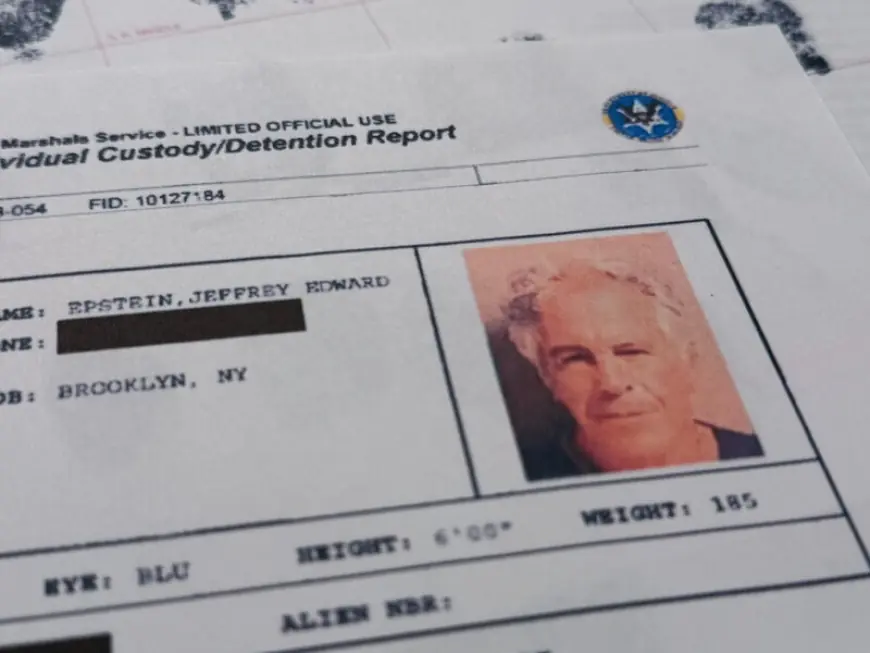
A new wave of so called Epstein files is fueling a fast moving clash between transparency demands and victim privacy after the Department of Justice posted millions of records tied to Jeffrey Epstein, then pulled down thousands of items when redaction mistakes surfaced. The release, framed by federal officials as compliance with a new disclosure law, has instead opened a second front: whether the government mishandled sensitive material while still withholding major portions of what it collected.
The practical result is a muddled information environment. Legitimate investigative records are now circulating alongside rumor driven lists, misread snippets, and recycled conspiracy claims, pulling celebrities, politicians, and institutions into headlines whether or not the underlying documents actually support the insinuations.
What happened in the new Epstein files release
The Justice Department’s most recent posting added roughly three million pages of material, alongside a large volume of videos and images, as part of a rolling release mandated by a federal law passed late last year. Officials have publicly argued that the release satisfies the legal requirement, pointing to extensive duplication in the underlying collection and asserting that many withheld items are non responsive or repetitive.
But within days, victim advocates and lawyers raised alarms that personally identifying details were exposed in the dump, including names and other sensitive information. Federal prosecutors then acknowledged redaction errors and removed several thousand documents and media files from public access while they revise their review process.
At the same time, lawmakers intensified pressure on DOJ leadership, demanding access to an unredacted version for congressional oversight and questioning why the government appears to have collected around six million pages yet publicly posted substantially less.
DOJ, Congress, and the Epstein Files Transparency Act: incentives and pressure points
This fight is not only about documents. It is about institutional risk.
DOJ’s incentive is to demonstrate transparency while minimizing legal exposure. Redaction failures create immediate liability and safety concerns for victims. Over redaction, on the other hand, invites accusations of protecting powerful names and undermines public trust. DOJ is trying to thread a needle that may be structurally impossible at this scale.
Congress has a different set of incentives. Members are competing to show toughness on elite accountability while avoiding blame for any privacy harms caused by mandated disclosure. That tension explains why you see two demands moving in opposite directions at once: release everything and protect victims absolutely.
The White House and senior DOJ leadership also face reputational exposure. Every misstep becomes evidence for one side that the government is either covering up or acting recklessly. That dynamic is amplified by the political value of the Epstein story itself: it is a rare issue that can mobilize voters across ideological lines, even when they disagree about what the documents mean.
Why so many names are suddenly trending: Gates, Trump, Clinton, Lutnick, Bannon, Chomsky, Jay Z, Pusha T
A key point often lost in the churn is that a name appearing in a file is not the same as evidence of wrongdoing. The released material includes everything from emails and contact references to tips submitted to investigators. Tips can be unverified, inaccurate, malicious, or simply inconclusive.
Still, the latest release has reignited attention around high profile figures, including political leaders and major business names. In some cases, the documents reflect correspondence or attempted scheduling. In other cases, a person’s name appears in an archived lead or tip that investigators logged without establishing proof.
This is why you are seeing celebrities like Jay Z and Pusha T pulled into the conversation: their names surfaced in an investigative tip that was stored in case records. That type of mention can be explosive online even when it is not corroborated.
For Bill Gates, the renewed focus is less about novelty than visibility. Freshly circulating images and references have prompted renewed public scrutiny and personal fallout, including comments from Melinda French Gates in a recent interview reflecting on the reputational damage of proximity to Epstein.
On the political side, Donald Trump’s name continues to appear in various contexts across old and new materials, including unverified claims that federal officials have previously described as sensational or false. Meanwhile, the House investigation has widened, and Bill Clinton and Hillary Clinton have agreed to testify after facing escalating pressure from investigators.
What we still do not know
Several core questions remain unresolved and are driving the anger:
-
Whether the government is holding back a significant volume of responsive material or whether the gap is largely duplicates and irrelevant records
-
How many victims were affected by redaction failures, what data was exposed, and whether any threats or harassment can be traced to the release
-
What standards were used to redact names of alleged abusers versus names of victims, and why the balance appears inconsistent
-
Whether any credible evidence in the newly posted records supports prosecutions of third parties, or whether the release mainly expands the historical record without creating new legal avenues
Second order effects: privacy, misinformation, and institutional trust
The privacy failure is not a side story. It is likely to reshape how future disclosures are handled. If victims can credibly argue that the release endangered them, courts and lawmakers may tighten rules around what can be posted publicly, even when transparency laws demand broad disclosure.
The misinformation spillover is also accelerating. Claims involving foreign intelligence services, sprawling blackmail plots, and older internet conspiracy frameworks are being recycled with the veneer of legitimacy that comes from any new government release. That increases the risk that innocent people are defamed, while truly important lines of inquiry are drowned out by noise.
What happens next: realistic scenarios and triggers
-
A revised DOJ release process with slower posting and tighter review, triggered by continued legal filings from victims or court intervention
-
A congressional push to review unredacted files in a secure setting, triggered by public proof that redactions were inconsistent or politically sensitive
-
Additional hearings that force DOJ leaders to explain the gap between collected and released materials, triggered by bipartisan demands for clarity
-
A wave of targeted defamation disputes and retractions outside government, triggered by viral claims rooted in tips rather than evidence
-
A narrower future approach to transparency laws, triggered by lawmakers deciding the privacy cost was too high
For the public, the most important takeaway is basic but urgent: the Epstein files are a massive archive, not a single list. The next phase will depend less on the sheer volume released and more on whether institutions can separate accountability from spectacle without harming the people the justice system is supposed to protect.