























Mardi Gras Cancels $2M Celebration Amid Board Tensions

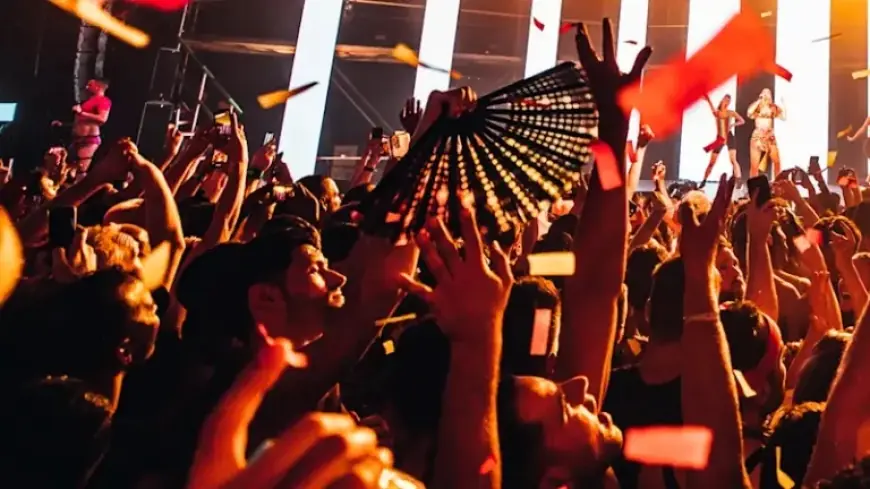
The Sydney Gay and Lesbian Mardi Gras has recently announced the cancellation of its planned official party, a celebration usually anticipated by thousands. This decision comes just weeks before the event was to occur due to ongoing internal conflicts within the organization.
Mardi Gras Cancels $2M Celebration Amid Board Tensions
On February 3, 2026, Mardi Gras Chief Executive Jesse Matheson revealed that the event, which typically costs $2 million and draws over 10,000 attendees, has been in financial decline since 2020. The organization’s financial challenges have prompted a reevaluation of its events and priorities.
Financial Challenges and Strategy Shift
Matheson, appointed to restore the festival after years of losses, noted that the Mardi Gras Party has run a deficit every year since the loss of the Royal Hall of Industries. In response, the Mardi Gras board decided to cancel all events except for the Parade, Fair Day, Laneway, and the newly created Glitter Club viewing area.
The cancellation of the official party follows increasing tensions within the Mardi Gras board. Matheson explained, “This decision was not taken lightly. Facing an existential threat to the future of Mardi Gras, it was absolutely the right decision.”
Community Support and Alternative Events
In light of the cancellation, community producers and cultural institutions have stepped in to support upcoming festivities. Notably, the Inner West Council announced it would host the Sissy Ball to provide an alternative celebration.
Board Conflicts and Internal Issues
The turmoil within the board became prominent in January when tensions erupted between co-chairs Kathy Pavlich and Mits Delisle, and board members Luna Choo and Damien Nguyen from the activist group Pride in Protest. A vote on January 13 rejected three motions aimed at enhancing transgender rights, reflecting a division in priorities among the board members.
Following this, on January 25, the board moved to censure Choo and Nguyen for their use of official email accounts to advocate for the resolutions. This action sparked further backlash, particularly when Choo faced misgendering during the proceedings.
Ongoing Controversies
In a critical response, Choo and Nguyen attempted to censure Delisle and Pavlich, highlighting the lack of governance that led to the misgendering incident. Choo expressed her frustration, stating, “This is bigotry masked in corporate speak.” Nguyen emphasized the need for unwavering support for the trans community, claiming that the board’s decisions perpetuate discrimination.
In an effort to address these issues, Delisle acknowledged the misgendering mistake and promised to correct it in future communications. He clarified that the board’s decisions were not a rejection of trans rights but were based on practical concerns regarding event management.
This situation underscores ongoing challenges within the Mardi Gras organization, as it navigates its identity and responsibilities in advocating for inclusivity and community representation. The promise remains that the party will return in future years, signaling hope amid the current turmoil.