
























Republicans Consider Ending Filibuster to Pass Trump’s Voter Bill

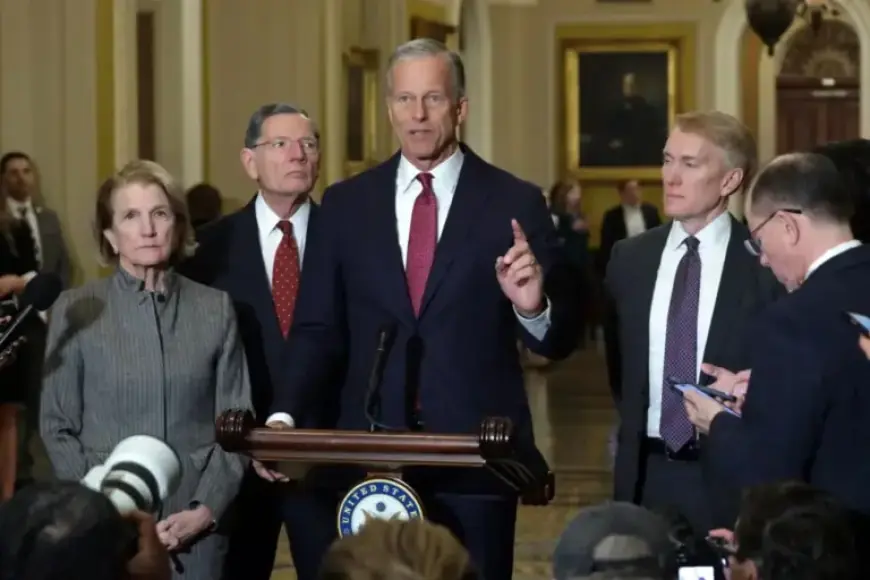
In a significant political move, Senate Republicans are contemplating the elimination of the filibuster to expedite the passage of the SAVE America Act. This proposed legislation aims to impose strict photo identification requirements for voters, potentially disenfranchising many eligible voters. The initiative has gained traction among conservatives, particularly those aligned with former President Donald Trump.
Trump’s Influence on Filibuster Debate
Trump has been vocal about terminating the filibuster, which he claims hampers the GOP’s electoral agenda. During a recent podcast appearance, he spread unfounded assertions about illegal voting by noncitizens. Advocates within the Republican Party argue that these measures, while controversial, are necessary to secure the integrity of elections.
Key Legislative Proposals
Recently introduced bills include:
- SAFE America Act: Requires photo ID for voters and proof of citizenship at registration.
- Make Elections Great Again (MEGA) Act: Seeks to end universal vote-by-mail and impose stricter voting regulations.
Bipartisan implications of these bills have raised concerns. While Republicans assert they aim to protect voting rights, critics argue they could lead to the disenfranchisement of legitimate voters.
Support and Opposition
As of now, 49 Republican senators have shown support for the original SAVE Act. Despite this, projections suggest a filibuster could thwart the legislation unless at least seven additional votes are garnered. This reality has intensified calls from within the party to end the filibuster.
Internal Republican Dynamics
Prominent GOP figures, including Senator Mike Lee and House Representative Anna Paulina Luna, are rallying for a reduction in the vote threshold needed to invoke cloture. Additionally, grassroots influencers from the MAGA movement are pressuring Republican senators to take decisive action against the filibuster.
Potential Consequences of Ending the Filibuster
The elimination of the filibuster could have lasting effects on the legislative landscape. Experts warn that while it might expedite conservative priorities now, it could empower Democrats to enact progressive legislation in the future.
Daniel Schuman from the American Governance Institute highlights that the filibuster tends to benefit Republican initiatives more than Democratic ones. Historically, attempts to end the filibuster have been rooted in a desire to streamline GOP agendas but could backfire if the political landscape shifts.
Historical Context
The filibuster has been a pivotal tool in Congress, often used to obstruct significant legislation. A history of its use shows that many vital civil rights bills have fallen victim to filibusters, emphasizing its role in preventing progress.
As Republicans weigh the pros and cons of eliminating the filibuster, the implications remain contentious. The conversation touches upon broader themes of governance and the balance of power in American politics. Regardless of the outcome, this debate will have ripple effects that could shape future legislative initiatives.