






















I.C.E. Crackdown Hits Minnesota Economy Hard


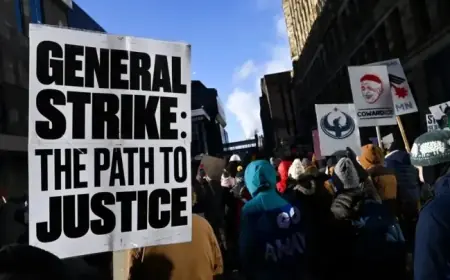
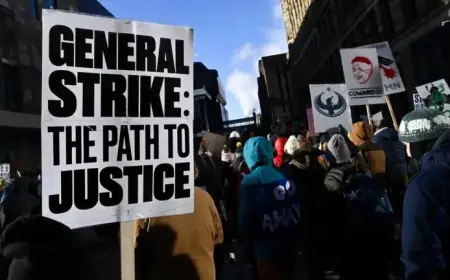
In December 2022, a crackdown by Immigration and Customs Enforcement (ICE) severely impacted Minnesota’s economy, particularly affecting immigrant-owned businesses. The operation, dubbed Operation Metro Surge, targeted Latino, Somali, and Hmong communities, causing fear and significant revenue drops for many local businesses.
Impact of ICE Crackdown on Minnesota’s Businesses
Henry Garnica, owner of CentroMex Grocery in East St. Paul, describes his traumatic experience when ICE agents approached his store. On December 11, he witnessed suspicious vehicles outside his business, prompting him to lock the doors. When he returned, more than a dozen officers demanded identification.
Although Garnica is a naturalized U.S. citizen, the fear of his immigrant employees led to operational disruptions. Four of his ten workers vanished out of fear, resulting in a 45% drop in sales. Garnica expressed concern for the broader implications, stating, “Many small businesses have shut down. It’s not good for the economy.”
Financial Toll on Local Economy
According to estimates, the economic impact on Minneapolis is around $20 million each week. Surveys revealed that 72% of employers—spanning hotels, retailers, and arts organizations—reported decreased sales due to the crackdown. Erik Hansen, the city’s director of community planning and economic development, noted, “It’s been brutal.”
The Twin Cities are particularly affected, with businesses in communities hit by heightened immigration enforcement reporting significant drops in revenue. This trend mirrors challenges faced by cities across the United States, from Chicago to Miami, indicating a widespread economic disturbance linked to immigration crackdowns.
Real Stories from Affected Businesses
- Sarah Enrico: Owner of a catering business employing approximately 50 people, Enrico faced project cancellations worth $30,000 as federal agents intensified their presence.
- Oscar Murcia: The owner of El Guanaco, a restaurant chain, saw a devastating 80% drop in traffic at one location, forcing him to lay off staff and cut hours.
- Lindsey Johnston: Co-owner of Francis Burger Joint, described how her restaurant faced emotional turmoil, leading to reduced customer engagement, with promotions feeling inappropriate amidst the heightened anxieties.
The Latino Economic Development Center reported that only 20% of its clients were operating normally, highlighting a crisis in the area’s Latino businesses. Many shops at Mercado Central and Karmel Mall have also seen drastic declines in activity.
Community Resilience and Support
As businesses struggled, the Minneapolis Foundation secured $3.5 million to support small enterprises affected by the ICE operation. Local churches and grassroots organizations are also stepping in, providing food and funds to help sustain other small businesses.
While national relief measures typically follow major economic disruptions, this time, there seems to be little federal support for local businesses facing these extraordinary challenges. Alma Flores from the Latino Economic Development Center expressed skepticism regarding federal intervention to aid lost revenues.
Long-Term Economic Considerations
The economic ramifications of the ICE actions may extend beyond immediate declines. Ryan Allen, an associate dean at the University of Minnesota, warns that prolonged pressure could lead to permanent losses in commercial areas. He emphasized the vulnerability of businesses with thin profit margins.
With the ongoing tensions and economic strain, the future of Minnesota’s immigrant-owned businesses remains uncertain. Community resilience is crucial as these enterprises navigate this complex landscape, aiming for recovery and stability amidst an environment of fear and uncertainty.