

























5 OLED TV Drawbacks You Must Know

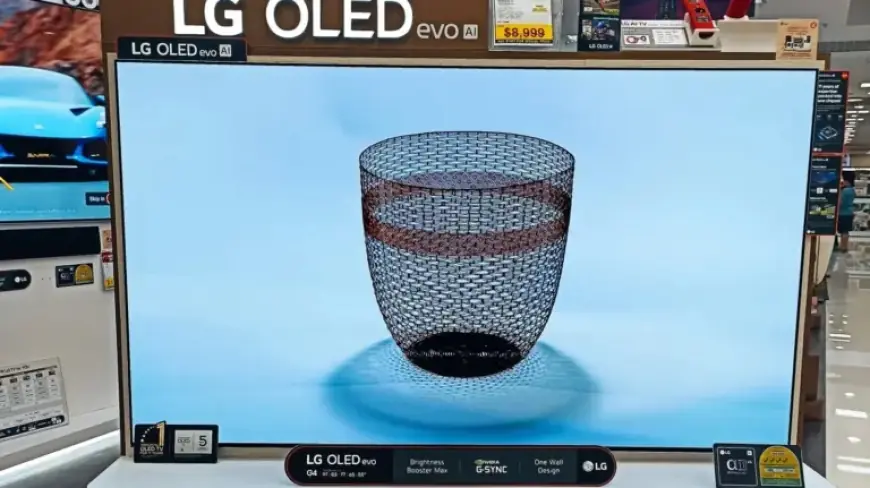
OLED TV technology has transformed consumer displays, particularly appealing to filmmakers and gamers seeking superior visuals. With remarkable color accuracy, enhanced contrast, and true blacks, OLEDs excel where traditional LCDs and LEDs fall short. However, possessing an OLED TV comes with notable drawbacks that consumers should consider before purchasing.
Key Drawbacks of OLED TVs
1. Burn-in Issues
One of the most significant drawbacks of OLED technology is burn-in. This occurs due to uneven degradation of organic pixels, particularly when static images persist on the screen. Although newer models incorporate pixel-refreshing technology to mitigate this problem, the risk of burn-in remains a concern for potential buyers.
2. Limited Longevity
Longevity is another area where OLED TVs struggle compared to other display types. While the lifespan of an OLED can range from four to ten years, many factors including frequency of use and environmental conditions can shorten this timeframe. Frequent use can lead to faster degradation, particularly manifesting as burn-in.
3. High Purchase and Repair Costs
OLED TVs are typically among the most expensive options available. For example, a 55-inch Samsung S95F OLED retails for approximately $1,899, whereas a comparable non-OLED model can be found for around $1,199. Additionally, should repair be necessary, costs can escalate further due to the complex technology and potential need for panel replacement.
4. Text Readability Challenges
Consumers who often watch text-heavy content may experience clarity issues with OLED displays. Known as text fringing, this problem arises when pixel alignment does not perfectly correspond with the text, resulting in a blurry appearance. Users who prioritize sharp text clarity should consider models above 4K resolution and larger than 30 inches to minimize this issue.
5. Brightness and Glare Issues
Another disadvantage of OLED technology lies in its brightness performance, particularly in well-lit environments. Though OLEDs are adept at displaying darker images, they generally struggle to reach the brightness levels of other displays. This limitation can be particularly cumbersome in bright rooms or outdoor settings, where glare and low brightness can diminish viewing quality.
Conclusion
While OLED TVs offer cutting-edge visual performance, potential buyers should weigh their drawbacks seriously. Issues like burn-in, limited lifespan, high costs, text clarity challenges, and brightness limitations may impact their overall utility. Careful consideration of these factors will help consumers decide if an OLED TV is the right choice for their viewing needs.