

























SpaceX Acquires xAI to Launch Massive Satellite Constellation

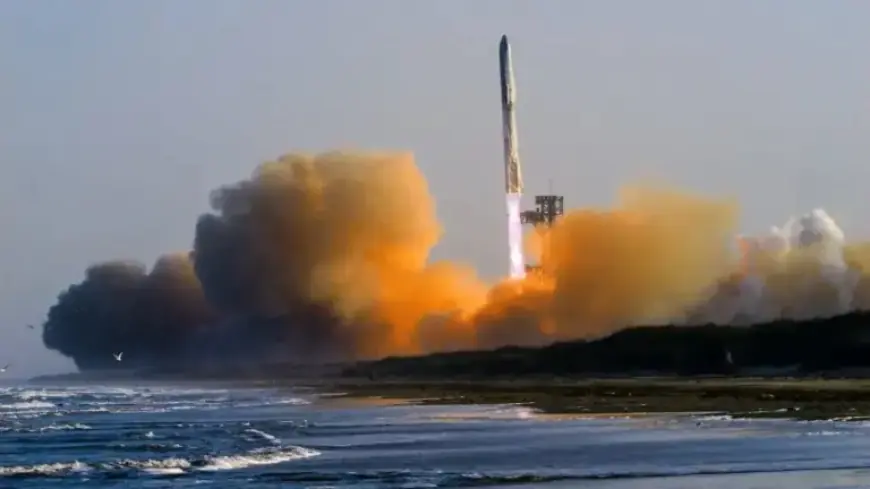
SpaceX is taking significant steps to expand its space operations by acquiring xAI. This acquisition aims to develop a massive satellite constellation intended to enhance data processing and space situational awareness.
Impact of SpaceX’s Acquisition of xAI
The acquisition of xAI is pivotal for SpaceX’s plans to improve space safety and operations. Victoria Samson, chief director of space security and stability for Secure World Foundation, emphasizes the urgency of addressing crowded orbits. Improving space situational awareness can enhance satellite collision detection, potentially reducing the risk of accidents in space.
The Challenge of Crowded Orbits
Currently, satellites benefit from a significant “bubble” of space when calculating potential collisions. However, uncertainties in satellite positioning can complicate this. As Samson notes, tightening these bubbles could lead to fewer collision warnings, but it also increases risk factors.
Concerns about Satellite Megaconstellations
A technical expert from The Aerospace Corporation, Marlon Sorge, voiced concerns regarding the potential challenges SpaceX’s megaconstellation poses. Key questions remain about the size and deployment locations of the satellites. These satellites will require extensive solar arrays for energy collection, further complicating the operational landscape.
- Existing debris in orbit remains a significant issue, especially at altitudes between 800 to 1,000 km.
- This region already contains over 3,000 pieces of debris, largely from a 2007 Chinese anti-satellite missile test.
- Higher altitudes offer less debris, but objects there take centuries to naturally deorbit.
Mitigating Debris Risks
SpaceX is taking steps to mitigate debris risks associated with their satellite constellation. The company has outlined redundant maneuverability capabilities for each satellite. This technology aims to ensure that aging satellites can be deorbited safely into the atmosphere.
Additionally, SpaceX acknowledges emerging research regarding the effects of aluminum from reentering satellites on ozone levels. In response, they are contemplating relocating aging satellites to high-altitude or heliocentric orbits to minimize environmental impact.
As SpaceX moves forward with its plans, it commits to addressing the various challenges posed by its satellite constellation. Ensuring safety in crowded orbits while advancing space technology will be critical in shaping the future of space exploration.