

























Scott Galloway Urges iPhone Boycott to Diminish Trump’s Influence

Scott Galloway, a prominent spokesperson on business and politics, recently called for an economic boycott against companies like Apple to exert pressure on former President Donald Trump. Speaking on the podcast “Pivot,” co-hosted with Kara Swisher, Galloway emphasized that consumer behavior holds significant power.
Calls for Economic Action Against Trump
Amid the ongoing civil unrest following police actions, Galloway highlighted an innovative approach to resistance. He believes that instead of traditional protests, a strategic economic strike could effectively challenge the Trump administration’s influence. This approach aims to reduce spending and participation in consumer markets to bring about change.
Background on the Situation
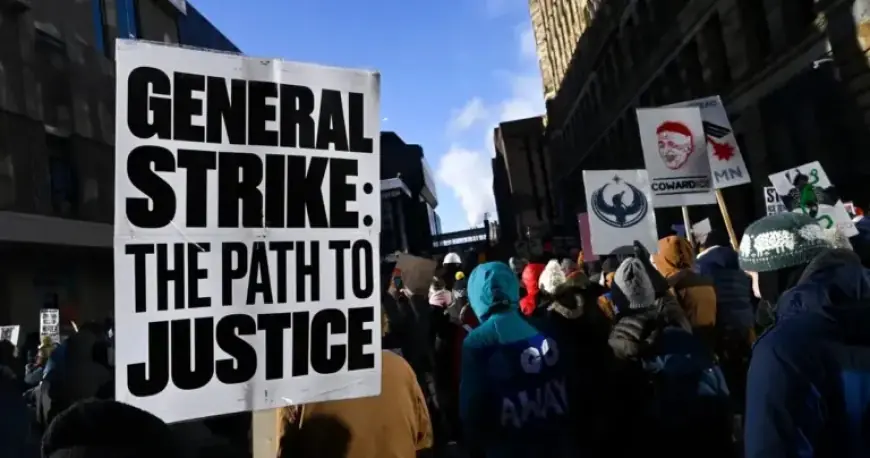
In recent weeks, Minneapolis has faced tensions as federal agents intensified their presence, leading to the deaths of local residents. Community members reacted strongly, staging protests and even a one-day general strike, which closed numerous businesses.
The Concept of Economic Strikes
Galloway suggested that past political movements illustrated how collective consumer action could alter governmental responses. He proposed that a national economic strike lasting longer than a day could yield more significant results, targeting the consumer-driven nature of the U.S. economy, which amounts to $27 trillion.
- Economic strike proposed to counter Trump’s influence.
- Galloway advises a coordinated withdrawal from spending.
- He cites the $27 trillion U.S. economy and its dependence on consumer spending.
The Key Numbers Behind the Movement
According to Galloway, a 10% reduction in spending from wealthier households could significantly impact the GDP. He discussed the volatility of consumer behavior and its effect on markets. For example, halting purchases of new iPhones or canceling subscriptions to platforms like ChatGPT could resonate throughout the tech industry, pressuring firms aligned with Trump.
Galloway argued that corporate leaders often prioritize profits over principles, making financial repercussions the most effective means of instigating change. He believes these economic shifts would be noticed by companies and could lead to a reevaluation of their relationships with political entities.
The Role of Corporate Accountability
Scott Galloway’s points spark a debate about the role of corporate citizenship in politics. He urges companies to adopt a stance against unethical practices rather than focusing solely on shareholder value. He believes historical accountability measures should be implemented for those complicit in harmful political actions.
This discussion of economic boycotts marks a significant shift in how communities might respond to political leadership, suggesting that financial decisions can have profound political implications.