
























Consumers Urged to Boycott Amazon and Google by ICE Movement

In response to escalating political tensions and recent tragedies, a consumer boycott has emerged, urging individuals to refrain from purchasing from major technology companies, particularly Amazon and Google. This grassroots movement, named “Resist and Unsubscribe,” originated from the advocacy of NYU marketing professor Scott Galloway.
Background of the Boycott
Launched primarily in February, the boycott targets ten companies: Amazon, Apple, Google, Meta (formerly Facebook), Microsoft, OpenAI, Netflix, Paramount+, Uber, and X. Galloway emphasizes that the current administration responds only to economic pressure, making this boycott crucial.
“The Trump administration doesn’t respond to outrage,” Galloway stated in a promotional video. “It responds to economic signals.” He is calling for consumers to unsubscribe from services like Amazon Prime and YouTube, and to delete accounts on platforms such as Facebook and WhatsApp.
Current Political Climate and ICE Enforcement
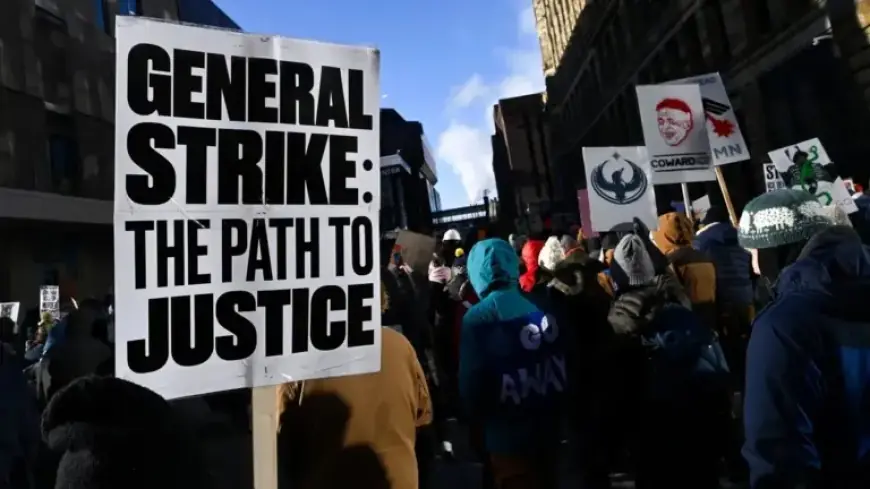
The boycott has gained momentum amid a backdrop of aggressive immigration enforcement and tragic incidents involving federal agents in Minneapolis, resulting in the deaths of individuals Renee Nicole Good and Alex Pretti. These events have prompted a call to action from tech workers who demand their companies confront political leaders regarding these issues.
Worker Petition for Change
- Hundreds of tech employees have signed petitions urging their employers to address the violence associated with ICE agents.
- Some have criticized their companies’ silence on these matters while tech leaders have generally refrained from making public statements.
Apple CEO Tim Cook faced backlash for attending a White House event concurrent with Pretti’s death, yet he assured employees he had shared his concerns with the president.
Challenges of Sustaining a Boycott
Scott Galloway recognizes the inherent difficulties in sustaining a boycott. Research shows that consumer-led initiatives struggle to maintain momentum and that shopping behaviors can be notoriously resistant to change. However, some boycotts have had notable successes in influencing corporate decisions.
- The Cracker Barrel campaign led to operational changes after public pressure.
- Major corporations like Walmart and Ford have rolled back diversity initiatives in response to consumer feedback.
Personal Stories and Activism
Among the participants is Gabe da Silveira, an Airbnb senior engineering manager, who felt compelled to engage politically following the Minneapolis vigils. He believes the situation with ICE is an urgent matter that transcends party lines.
Da Silveira shared on LinkedIn, “It’s not just an immigration issue; it’s about upholding American values.” His statement reflects a growing sentiment within the tech community to take a stand against perceived injustices.
Conclusion
The “Resist and Unsubscribe” movement represents a significant push against major tech corporations and their ties to current political practices, highlighting the role of consumers in shaping corporate responsibility. As the month progresses, the impact of this boycott on companies like Amazon and Google will be closely watched.