EFSA Assesses Risk of Cereulide in Infant Formula

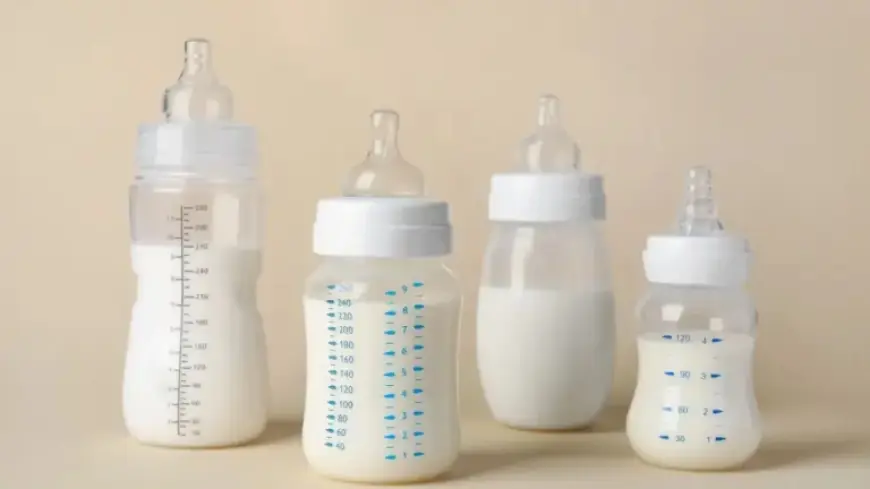
Recent multi-country recalls of infant formula have been initiated due to the detection of cereulide, a toxin from the bacterium Bacillus cereus. In response to this risk, the European Commission requested urgent scientific guidance from the European Food Safety Authority (EFSA) to aid in risk management across the EU.
EFSA’s Rapid Risk Assessment
EFSA’s scientists conducted a rapid risk assessment regarding cereulide levels in infant formula. Their analysis established an acute reference dose (ARfD) of 0.014 μg/kg body weight for infants. This figure serves as a guideline to help EU officials determine when it is necessary to remove products from the market to protect public health.
Health-Based Guidance Value
- The ARfD is defined as the amount of a substance in food that can be safely ingested within 24 hours.
- The critical acute adverse effect linked to cereulide is emesis (vomiting).
EFSA derived the ARfD using benchmark dose modeling. This evaluation is particularly cautious as infants metabolize substances differently than adults, necessitating additional safety considerations.
Consumption Estimates for Infant Formula
To assess acute exposure, EFSA confirmed the consumption values used for estimating short-term intake. For infant formula, the value remains at 260 mL per kilogram of body weight for a 24-hour period. For follow-on formula, this value is set at 140 mL per kilogram of body weight. These figures are based on typical consumption patterns, ensuring a conservative assessment.
Critical Concentration Levels
EFSA determined that reconstituted liquid infant formula should not exceed cereulide concentrations of:
| Type of Formula | Cereulide Concentration Limit (μg/L) |
|---|---|
| Infant Formula | 0.054 |
| Follow-On Formula | 0.1 |
Public Health Recommendations
Due to the recalls, it is crucial that these products not be given to infants or young children. Consumers should adhere to the guidance provided by national food safety authorities. For infants experiencing vomiting or diarrhea after consuming recalled formula, the European Centre for Disease Prevention and Control (ECDC) advises seeking medical assistance, especially in severe cases that may lead to dehydration or persistent vomiting.
Gastrointestinal symptoms in infants can escalate quickly, regardless of their source. It is imperative for parents and caregivers to monitor the health of their children closely during this period.