
























How Heatwaves Transform Australian Lifestyles: Illustrated Charts

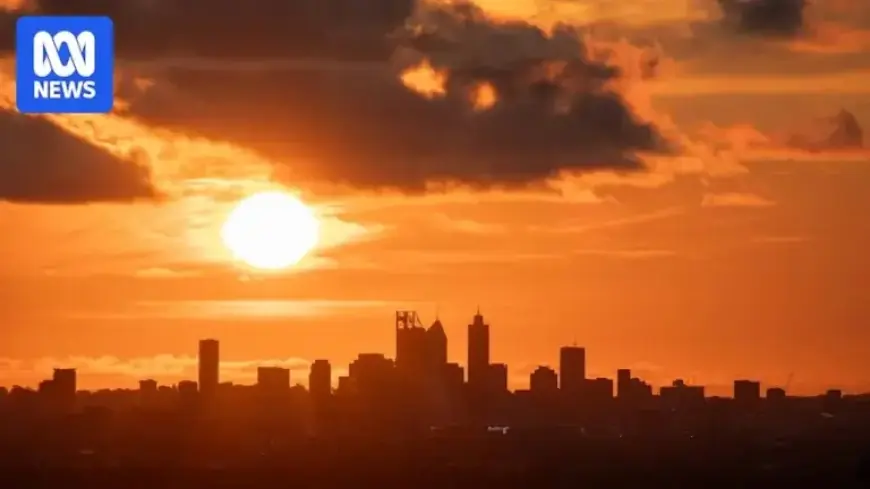
Recent research highlights how heatwaves significantly influence consumer spending patterns in Australia. During a major heatwave in January, temperature records shattered across several regions, with extreme highs exceeding 49 degrees Celsius in New South Wales and South Australia.
Heatwaves and Shifts in Consumer Behavior
A peer-reviewed study published in Nature’s NPJ Urban Sustainability journal revealed that the sweltering conditions led to a notable adjustment in Australians’ spending habits. Based on analysis of over 200 million bank transactions from Westpac customers, the research focused on three major cities: Sydney, Melbourne, and Adelaide.
Unprecedented Temperature Records
- Regions faced severe heat, with temperatures surpassing 49 degrees Celsius.
- A significant consumer behavior change occurred between January 1, 2023, and December 31, 2024.
The data indicated a substantial $5.4 million decline in daytime spending during extreme heat days (over 35 degrees Celsius). However, there was a 5% surge in consumer expenditure from 6 PM to 11 PM, as people adapted their shopping habits to avoid daytime heat.
Time-of-Day Spending Trends
The study revealed clear patterns in when Australians chose to spend their money during heatwaves. This included a 12.1% decrease in spending from noon to 3 PM and a 13.3% drop from 3 PM to 6 PM. On the other hand, spending noticeably rebounded in the evening hours.
Evening Economy Resilience
- Spending increased by 2.4% within a week after extreme heat events.
- Transaction patterns show a significant decline in spending during the hottest parts of the day.
According to chief economist Shashi Karunanethy from Geografia, these observations reveal how Australians struggle to adapt their schedules in anticipation of heatwaves. They tend to adjust their activities afterward instead.
Popular Spending Categories During Heatwaves
Researchers found that certain retail categories flourished despite the sweltering conditions. Notably, spending on bars and clubs surged by 10% during the peak heat hours, while liquor sales jumped 50% in the morning.
Food and Entertainment Expenditure
- Spending on dining significantly dropped between 3 PM and 6 PM, but increased by 9 PM.
- Entertainment options, such as cinemas, saw spending declines in the afternoon but rebounded later.
The data also indicated that consumers were less inclined to visit shopping centers during peak heat hours, indicating a preference for air-conditioned environments.
City Adaptation and Night-Time Economy
Karunanethy emphasized that cities with robust night-time economies offer a buffer against extreme weather impacts. By extending retail hours, city infrastructures can better accommodate consumer needs during heat events.
Recommendations for City Planning
- Enhance support for night-time economies to foster climate resilience.
- Eliminate restrictions on retail hours during climate events to allow shopping in cooler parts of the day.
The study serves as a compelling reminder of the necessity for cities to adapt their infrastructures to better serve populations experiencing extreme heatwaves. As these climate patterns become more common, addressing this challenge will be crucial for sustaining economic and social stability.