Silver price slides near $85 after historic selloff as volatility spikes

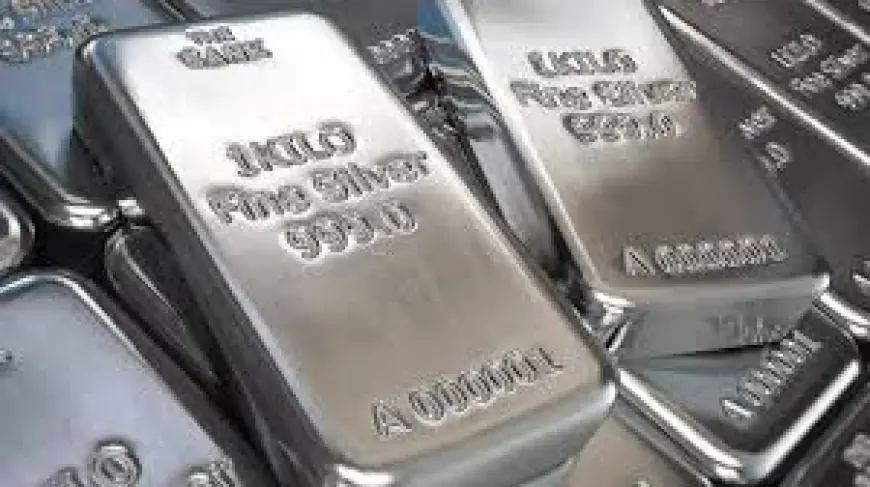
The silver price is sharply lower heading into the new week after a violent two-day reversal that erased a big chunk of January’s gains. In late-morning trading Sunday, Feb. 1, 2026 (ET), spot silver was around $85 per troy ounce, down roughly 26% versus the prior close, with futures pricing showing similarly heavy losses.
The drop matters because it wasn’t a slow grind lower—it was a forced, fast reset in a market that had become crowded after a steep run-up. With margin requirements rising and liquidity thinner on weekend pricing, the next few sessions will be about whether silver can stabilize or whether the unwind has another leg.
Silver price today: key levels and moves
Weekend pricing can be choppy, but the broad picture is clear: silver is trying to find a floor after one of the sharpest single-day declines in years.
| Measure | Level (USD) | Timing / notes (ET) |
|---|---|---|
| Spot silver (approx.) | 85.17/oz | Late morning, Feb. 1 |
| Prior close (approx.) | 115.67/oz | Reference close |
| Change vs prior close | -26.4% | Based on levels above |
| COMEX Feb 2026 silver (approx.) | 84.77/oz | Most-active near-term futures |
| Friday selloff magnitude | “Over 25%” | Broad market move into the weekend |
The headline number is less about the exact tick and more about the scale: silver moved from triple-digits to the mid-$80s in a hurry, a sign that positioning was stretched and that forced selling likely played a role.
What’s driving the plunge
Three forces have been working together:
1) Profit-taking after a powerful run. Silver had surged through January, pulling in momentum buyers and short-term traders. When the market turned, those same participants often rushed to reduce exposure, accelerating the slide.
2) A stronger dollar and shifting rate expectations. Precious metals can struggle when the dollar firms and when markets reprice interest-rate paths upward. Silver is especially sensitive because it attracts both “store of value” buyers and tactical traders who react quickly to macro signals.
3) Mechanical pressure from futures conditions. When volatility spikes, exchanges and clearinghouses can raise margin requirements. That increases the cash needed to hold leveraged positions. Some traders meet the requirement; others cut positions—often into a falling market—adding to downside pressure.
Why silver can fall faster than gold
Silver tends to behave like a hybrid: part precious metal, part industrial input. That dual identity can amplify swings.
When fear is high, silver can rally with gold. But when a risk-on/risk-off narrative shifts quickly—or when traders de-risk across commodities—silver can drop harder than gold because it’s typically thinner, more volatile, and more exposed to short-term positioning.
It also has a “crowding” issue: a strong move attracts speculative flows, and then the unwind can be abrupt. The last several sessions look like a classic example of that cycle.
What the market is watching next
With the dust still settling, the next signal won’t be a single headline—it will be whether pricing calms down and whether buyers show up consistently.
Traders will watch:
-
Whether silver can hold the mid-$80s without cascading into fresh lows. A period of sideways trade can be a sign the forced selling phase is ending.
-
Whether futures volatility cools. If implied volatility stays elevated, position sizing tends to shrink, reducing liquidity and making intraday swings more extreme.
-
Industrial-demand sentiment. Silver’s longer-term case often leans on electrification and electronics demand. In the near term, though, macro pressure can override that story—so any stabilization may depend first on the dollar and rates.
Practical takeaways for buyers and holders
If you track silver for jewelry, physical stacking, or portfolio hedging, the key is to treat this as a volatility regime, not a normal pullback.
Physical buyers often look for “capitulation” days—sharp drops with heavy volume—because they can reset premiums and create better entry points. Traders, meanwhile, tend to wait for confirmation that the selling wave has slowed (smaller daily ranges, fewer gap moves, steadier closes).
Either way, the next few sessions should provide clarity on whether silver’s move is a short, brutal reset—or the start of a longer cooling period after an overheated rally.
Sources consulted: CME Group, Reuters, Trading Economics, Investing.com