
























Gold price Today: Price of Gold falls sharply after record run

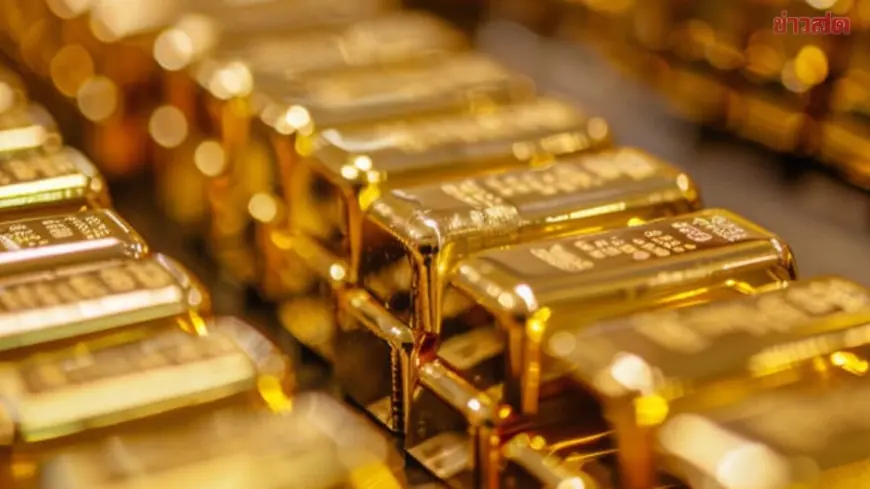
Gold price Today is lower after a turbulent stretch that saw bullion surge to record territory in late January and then slide hard into the weekend. As of 11:00 a.m. ET on Sunday, Feb. 1, 2026, spot gold traded around $4,865 per ounce, down roughly 9% from the prior close and well off the highs above $5,100 seen earlier in the week.
The move matters because it’s not just a day-to-day fluctuation: it reflects a fast shift in risk positioning, leverage, and expectations for interest rates and the U.S. dollar. For anyone watching the Price of Gold for hedging, jewelry costs, or portfolio protection, the key question now is whether this drop is a reset after an overheated rally—or the start of a deeper unwind.
Gold price Today: where it stands now
Here are the key levels traders have been focused on today, using spot pricing and commonly watched reference points:
| Measure | Level (USD) | Time frame |
|---|---|---|
| Spot gold (approx.) | 4,865/oz | As of 11:00 a.m. ET, Feb. 1 |
| Prior close (approx.) | 5,373/oz | Previous close |
| Intraday range (spot) | 4,696–5,451/oz | Today’s session so far |
| Recent record area | Above 5,100/oz | Late Jan. 2026 |
The headline number is the magnitude of the pullback from the previous close. A move of this size typically shows a market clearing out crowded positioning—especially after a rapid run-up that attracted short-term momentum buying.
Why gold is sliding after a record week
Gold’s late-January surge was fueled by classic drivers: safe-haven demand, a weaker dollar at points during the rally, and heavy attention from investors looking for protection against policy and geopolitical uncertainty. That set the stage for a crowded trade—where many participants were leaning the same way.
When a crowded trade reverses, the decline can accelerate quickly as stop-loss orders trigger and leveraged players reduce exposure. That dynamic helps explain how gold can go from record highs to a steep multi-session pullback without one single “smoking gun” headline.
The leverage factor and tighter futures conditions
One of the most important under-the-surface developments has been risk controls in the futures market. After outsized daily swings, margin requirements for precious-metals contracts were raised, increasing the cost of holding leveraged positions.
When margins rise, some traders must either add cash or cut positions. In a fast market, that can amplify downward pressure, particularly if prices are already slipping and liquidity thins out. It doesn’t “cause” the move on its own, but it can intensify a selloff that’s already underway.
Dollar and rates: the macro crosswinds
Gold’s relationship with the U.S. dollar and real yields remains central. A firmer dollar often makes gold more expensive for non-dollar buyers and can weigh on demand at the margin. Likewise, if markets push expectations toward higher-for-longer rates, the opportunity cost of holding a non-yielding asset like gold increases.
The last week’s action suggests these macro inputs are competing with safe-haven demand rather than moving in lockstep. That tension is exactly what produces volatility: buyers step in when fear rises, then step back when the dollar strengthens or when rates reprice.
What to watch next
The next few sessions should clarify whether this drop is a temporary shakeout or something more persistent. Three practical signposts:
-
Stabilization above key round numbers: If gold holds and consolidates rather than continuing to cascade, that often signals forced selling has run its course.
-
Dollar direction into the new week: A renewed push higher in the dollar can keep pressure on gold; a pause can give bullion room to rebound.
-
Follow-through from physical demand: Large dips sometimes pull in bargain buying from jewelry and physical-investment markets, which can help set a floor.
For now, the gold price today story is about speed: a dramatic reversal after a record run, with the market trying to find where real demand begins once leverage and momentum step back.
Sources consulted: Reuters, CME Group, Investing.com, Federal Reserve Bank of St. Louis (FRED)