























“Mock the Week Struggles Against Memes in Modern Political Satire”

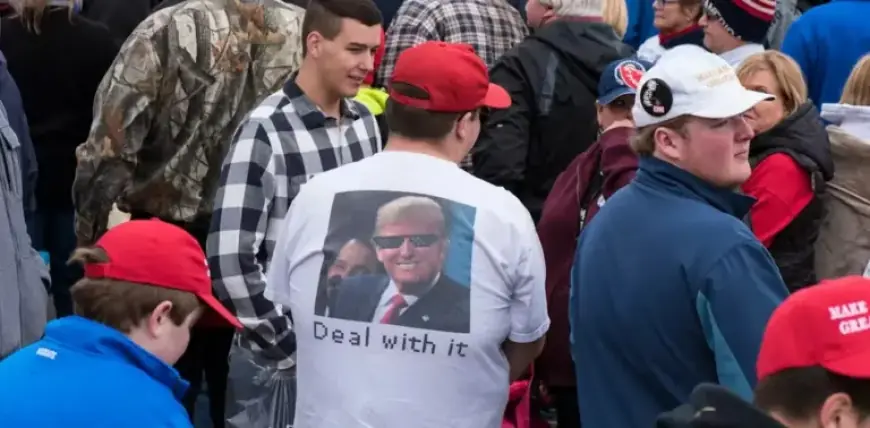
The landscape of political satire has evolved dramatically with the rise of digital communication and meme culture. Traditional formats, like the panel quiz show, Mock the Week, which recently returned to screens via the Freeview channel TLC, struggle to capture the essence of modern political engagement.
Mock the Week and Its Context
Mock the Week features two teams of comedians who compete by improvising humorous takes on current global events. Despite its long-standing popularity, many find the format outdated in an era dominated by social media and instantaneous news. As political events unfold continuously, audiences engage with them through ironic memes, often before they are addressed on traditional platforms.
Digital Satire’s Evolution
The nature of political humor has shifted significantly. Today, memes serve as a primary form of satire, with their creation and circulation increasingly interactive. For example, memes related to figures like J.D. Vance illustrate this evolution, featuring both humorous images and AI-generated content. The accessibility of digital tools enables anyone to participate in satirical commentary, which alters public engagement with politics.
- People now interact with political content via memes, reshaping their understanding of global issues.
- Memes influence areas such as digital diplomacy and foreign policy.
- Humor has become a tool for politicians to communicate their messages, engaging diverse demographics.
The Impact of Humor on Politics
Satire traditionally serves as a check on political excess. However, recent trends show politicians, such as Boris Johnson and Donald Trump, embracing humor and memes themselves. This strategy can neutralize criticism, as noted by writer Jonathon Coe, who claims that creating your own satire can render it less challenging.
Moreover, humor can bridge divides while simultaneously deepening cognitive gaps within political discourse. The COVID-19 pandemic, for instance, saw the emergence of harmful racist humor, illustrating the duality in how humor affects societal interactions.
Humor in Contemporary Conflicts
Countries like Russia and China have adeptly used humor as part of hybrid warfare strategies. For instance, Russian satirical media have successfully engaged with British officials through pranks, highlighting the intersection of comedy and serious political dialogues.
This synergy between humor and politics has significant implications, often manifesting in nationalist movements such as those seen in the U.S. under Trump. His unique ability to leverage jokes and memes has resulted in a potent political strategy, combining entertainment with serious messaging.
Conclusion: The Future of Political Satire
As political satire adapts to a challenging landscape, programs like Mock the Week face obstacles in remaining relevant. While some find comfort in light-hearted entertainment, others argue for the importance of satire as a tool for critical journalism and public reflection on serious global issues. As audiences navigate this evolving medium, the role of humor in politics will continue to be a vital area for exploration.