
























Gold price today slips below $4,900 after a historic late-week reversal

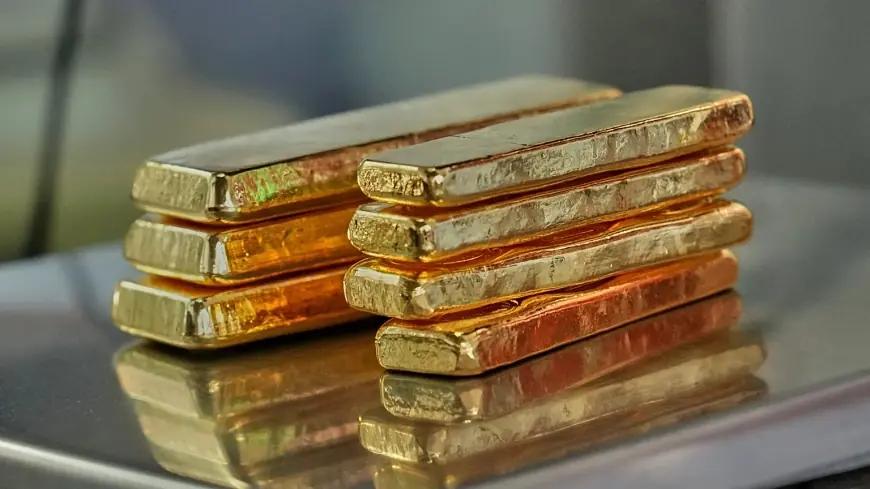
Gold is trading near $4,865 per troy ounce today, Saturday, January 31, 2026, in US Eastern Time, after a sharp selloff into Friday’s close. The move leaves the metal well off the fresh record highs seen earlier in the week, and it has widened the gap between different “today” prices that investors see across spot benchmarks, futures markets, and physical dealer quotes.
Even when markets are closed for the weekend, “gold price today” still updates in many places because the last traded or last assessed price can be displayed as the current reference point. The key is understanding which benchmark you’re looking at and what timestamp it reflects.
What “gold price today” usually means, in plain terms
Most people mean the spot price: the going benchmark for immediate delivery, quoted per troy ounce in US dollars. That spot number is the one most commonly referenced by investors, jewelers, and anyone doing a quick conversion from ounces to grams.
As of the most recent readings following Friday’s session, spot gold is around $4,865 per ounce, with intraday trade spanning a wide band — roughly the high $4,600s up through the mid $5,400s during the latest volatile stretch. Because today is Saturday, the number you see is typically the last widely published benchmark from late Friday or a lightly updated indication, not a full new session of price discovery.
If you prefer metric units, $4,865 per ounce translates to about $156 per gram. Small day-to-day changes can move that per-gram figure quickly in a week like this, so it’s best treated as a near-real-time estimate rather than a fixed weekend quote.
Why the market reset so fast after setting records
Gold’s slide is less about a sudden collapse in long-term demand and more about how quickly positioning can unwind after a crowded rally. Earlier this week, the metal pushed into record territory as traders priced in a dense mix of uncertainty: inflation expectations, geopolitical risk, and questions about the future path of interest rates.
Then came a rapid shift in macro sentiment tied to central-bank leadership expectations and the outlook for policy independence. That kind of headline can move the currency market immediately, and when the dollar strengthens, it often pressures dollar-priced commodities like gold. Once the decline started, leverage did the rest: large price swings can force traders to cut positions, accelerating moves that might otherwise have played out over days.
The result is a market that still sits at historically elevated levels, but is now trying to find a stable footing after a rare, deep one-day drop.
Spot vs futures vs physical: why you may see different “today” numbers
In periods of calm, these benchmarks tend to track closely. In periods of stress, they can diverge in ways that confuse anyone searching for a single answer.
Spot is the benchmark most headlines reference, but futures prices can trade at a premium or discount depending on financing costs, contract timing, and liquidity. Physical retail prices can separate even further because premiums rise when dealers need to manage inventory risk in fast markets.
Here’s a quick way to interpret what you’re seeing today:
-
Spot gold near $4,865 per ounce is the core benchmark most people mean.
-
Active US gold futures are hovering closer to the low $4,900s per ounce based on late-week pricing.
-
Physical coins and small bars can price noticeably above spot because premiums tend to expand when volatility spikes.
If your goal is budgeting for a purchase, the number that matters is the all-in delivered price from a dealer, not the spot quote on a chart.
What to watch next without guessing the future
Gold’s next decisive move will likely depend on whether volatility cools or becomes self-reinforcing. Two concrete signals tend to matter most in a situation like this: whether the dollar continues to strengthen, and whether interest-rate expectations stabilize after the policy headline shock.
For buyers of physical gold, the practical impact is that premiums and availability can swing more than the benchmark price itself over the next several sessions. For traders, the takeaway is that the market is now trading with unusually wide intraday ranges, which can punish tight stop-losses and oversized positions.
For long-term holders, today’s price near $4,865 is best viewed as a “post-reset” reference point: still extremely high by historical standards, but no longer priced at peak momentum. The open question now is whether fresh demand shows up at these levels, or whether the market needs a deeper cooling-off period before it finds its next steady range.