
























Silver price today: Where the metal sits after a sharp late-week plunge

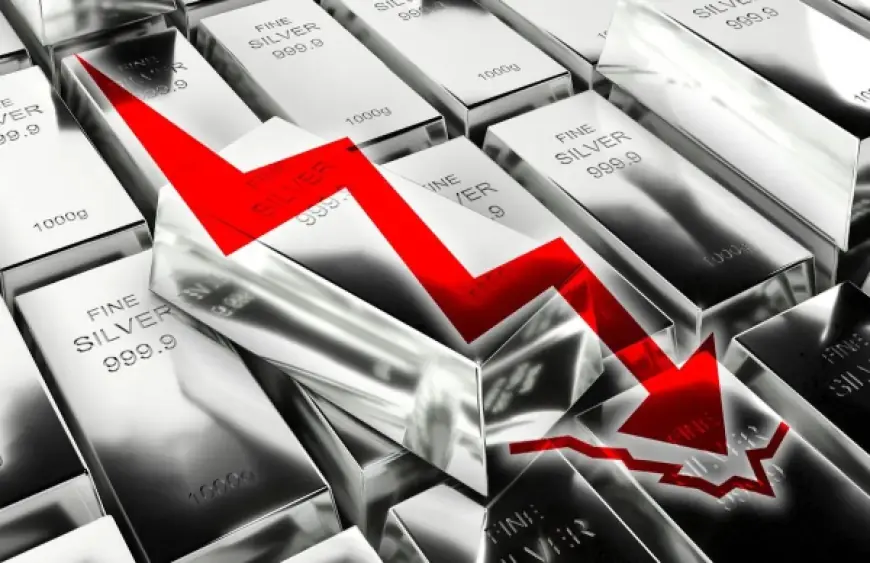
Silver is trading at dramatically lower levels than it held earlier this week, with the latest widely quoted spot benchmarks clustering in the mid-to-high 80s per troy ounce as of the most recent completed session heading into Saturday, January 31, 2026 (ET). That “today” number can look different depending on whether you’re watching spot, futures, or dealer quotes, but the common story is the same: silver is digesting a sudden reset after an extreme run-up.
The number people mean by “silver price today”
When most people ask for the silver price today, they mean the spot price for one troy ounce in US dollars. Because precious-metals markets can have different trading hours and data conventions, you may see slightly different “last” readings across platforms, especially around weekends.
A practical way to read today’s market is as a range rather than a single pinpoint: spot silver is roughly around 85 to 90 per troy ounce based on end-of-week pricing. If you’re converting that to smaller units, that’s about 2.70 to 2.90 per gram.
Why prices moved so violently in this window
Silver’s drop did not happen in isolation. The metal had been on a steep, fast climb through January, and then the market abruptly repriced in a single burst of selling. The immediate catalyst in this window was a sharp shift in macro sentiment tied to expectations around US monetary policy leadership, which pushed the dollar higher and pressured dollar-priced commodities.
Once the selloff started, the move fed on itself. Silver is heavily traded through leveraged instruments, and big one-day swings can trigger forced position reductions, which amplifies declines even when the longer-term story around industrial demand and investment flows has not changed overnight.
Spot vs futures: why you might see two different “todays”
If you also watch COMEX silver futures, you may notice the futures price sitting higher than the spot readings you see quoted for physical silver. That gap can widen during volatility because futures reflect financing, expectations, and liquidity conditions in the contract month, while spot is an immediate benchmark that can be shown with different data timestamps depending on the vendor.
Here’s a quick guide to what you may be looking at today:
| Benchmark | What it tracks | Approx level today | Why it can differ |
|---|---|---|---|
| Spot silver | Immediate benchmark per troy ounce | About 85 to 90 | Weekend timing and data convention differences |
| Most-active silver futures | Front-month or most-traded contract | Roughly 95 to 100 | Futures include expectations and can move differently intraday |
| Retail coin price | What you pay for small bars or coins | Spot plus premium | Premiums rise when supply tightens or demand spikes |
| Large bar pricing | Bigger physical units | Closer to spot | Lower premiums than coins, but still not identical |
What this means for buyers, sellers, and anyone budgeting in silver
If you buy physical silver, “today’s price” is not the number you’ll necessarily pay. Dealers add premiums for fabrication, shipping, and inventory risk, and those premiums often expand when prices whip around. In other words, even though the benchmark price is lower than it was a few days ago, checkout prices for popular coins can stay sticky until supply chains and hedges catch up.
If you’re tracking silver for industrial exposure, the key near-term issue is price stability rather than the exact tick. Companies that use silver in electronics, solar components, and specialized manufacturing care about whether volatility persists, because unstable inputs complicate hedging and contracting.
For traders and investors, the main takeaway is that silver remains a high-beta metal right now: it can outperform hard on the way up, and it can unwind brutally when positioning becomes crowded. Today’s range in the mid-to-high 80s underscores that reality more than any single headline number.