

























Gaza Faces Uncertainty as Ceasefire Phase Two Commences

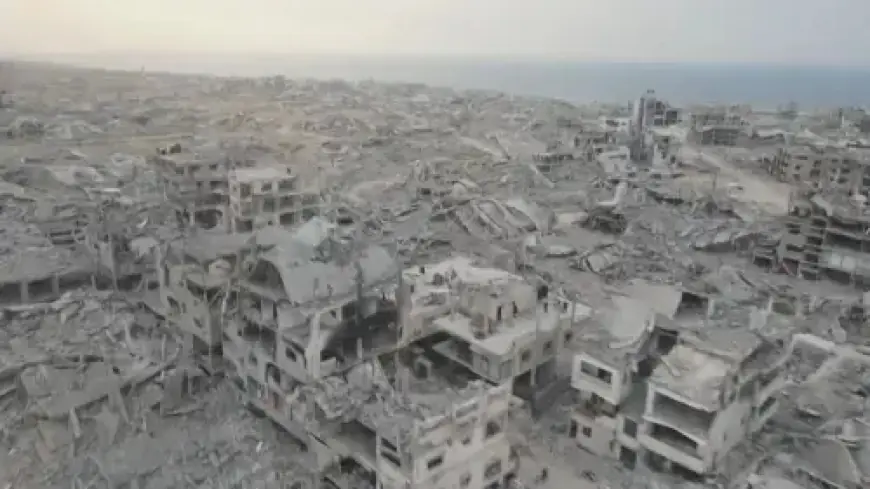
As the Israel-Hamas ceasefire enters its second phase, uncertainty looms over the future dynamics in the region. This latest development follows significant tensions and conflict, leaving many residents in Gaza apprehensive about what lies ahead.
Overview of Phase Two of the Ceasefire
The current phase of the ceasefire aims to address various humanitarian concerns and stabilize the situation. However, expectations are tempered due to ongoing challenges.
Expected Developments
- Efforts to provide humanitarian aid in Gaza.
- Reconstruction initiatives in affected areas.
- Dialogue between involved parties to ensure lasting peace.
Potential Hurdles
Several factors may impede progress during this phase. These include political disagreements, security issues, and the critical need for effective communication between stakeholders.
- Political complexities between Israel and Hamas.
- Persistent security threats causing instability.
- Difficulty in coordinating humanitarian efforts.
Gazans’ Sentiments Amidst Uncertainty
Many individuals in Gaza view this ceasefire with skepticism. Past experiences have led to a lack of confidence in long-term solutions.
- Frustration over previous failed agreements.
- Ongoing humanitarian crises creating dire conditions.
- Widespread uncertainty regarding future safety and security.
The second phase of the ceasefire represents a critical moment for both Israel and Hamas. However, the ongoing uncertainty may hinder hopes for a peaceful resolution, leaving many Gazans in a state of apprehension as they navigate this complex situation.