





















Deni Avdija stats surge as Blazers manage back strain ahead of Knicks game

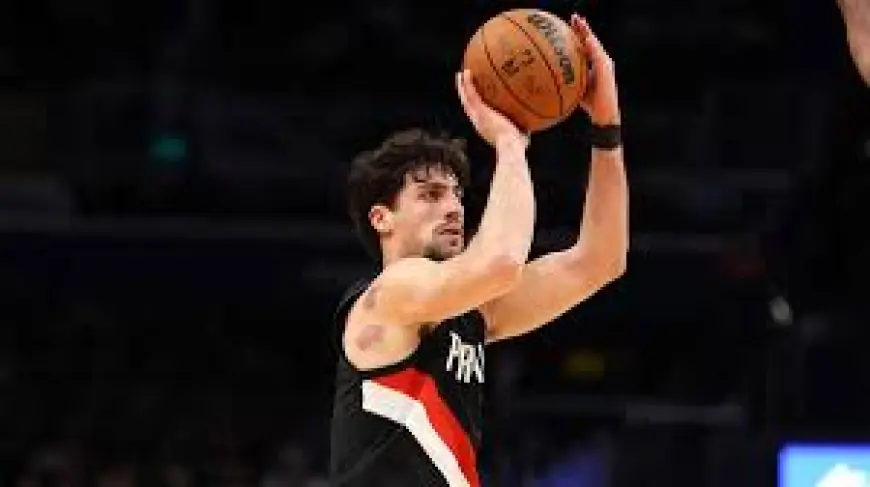
The biggest question around Deni Avdija this week hasn’t been what he can do—it’s whether his lower-back strain will let him keep doing it every night. With NBA injury listings shifting through Friday, Portland’s breakout engine ultimately trended toward playing status ahead of a road test at Madison Square Garden against the New York Knicks.
The timing matters because Portland’s offense has leaned heavily on his scoring, rebounding, and playmaking. When he’s in, the Blazers can run through him as a creator. When he’s limited, the margin for error shrinks fast for a Portland Trail Blazers roster already juggling multiple absences.
Injury status: questionable, then trending available
Portland spent Friday managing uncertainty. Official injury reports listed Avdija as questionable for much of the day due to a low back strain, a designation that typically signals a true game-time decision rather than routine maintenance.
By late Friday into early Saturday (ET), league-facing status updates and team-facing notes indicated he was available for the matchup, a meaningful upgrade for Portland given how central he’s been to their nightly production. The back strain remains the story to monitor, but the immediate takeaway is that Portland expects to have its leading scorer on the floor rather than in street clothes.
What Portland is asking of him nightly
Avdija’s season has shifted from “breakout stretch” to “breakout workload.” Portland has leaned on him as a primary scorer who also initiates offense—an uncommon combination for a forward who’s also expected to rebound and defend multiple positions.
That role gets even heavier when the Blazers are short-handed. In those situations, the team’s priorities tend to converge: get a good shot, avoid live-ball turnovers, and survive the glass. Avdija checks all three boxes when healthy—he can create a look late in the clock, keep possessions alive with rebounds, and make the first read as a passer when defenses collapse.
The downside of that responsibility is simple: when a back issue flares, it can show up everywhere—burst on drives, lift on jumpers, and even the ability to absorb contact through screens and box-outs.
Deni Avdija stats: season snapshot
As of Friday, January 30, 2026 (ET), Avdija is averaging 25.8 points, 7.2 rebounds, and 6.8 assists per game, shooting 47.0% from the field. Those are not “nice improvements”—they’re top-tier counting numbers that place him firmly in the league’s high-impact group for the season to date.
Here’s a quick, numbers-only snapshot of where things stand:
| Split (ET) | PTS | REB | AST | FG% | Notes |
|---|---|---|---|---|---|
| 2025–26 season to date | 25.8 | 7.2 | 6.8 | 47.0% | Portland’s leading scorer |
| Tue, Jan 27 vs Washington | 17 | 12 | 3 | — | Return game; 31 minutes |
The return game: signs of rhythm, signs to watch
Avdija’s return against Washington was a useful read on both sides of the equation. On one hand, he produced a double-double and played 31 minutes—usually a sign the medical staff is comfortable with functional movement and stamina. On the other hand, the back strain context doesn’t disappear just because he’s cleared to play; it shifts into workload management and recovery between games.
For Portland, the ideal version of this stretch is straightforward: keep him available, keep his minutes stable, and let the production hold. The risk is that the nightly usage required to keep the offense afloat pushes him into a cycle of “plays, tightens up, sits, returns.”
What to watch at Knicks in New York
In a road game at Madison Square Garden, the first tell will be physical: how he moves in the opening minutes, how often he gets downhill, and whether Portland is comfortable using him as the primary initiator rather than a finisher.
If he looks free and aggressive early, the Blazers can more credibly chase a clean offensive structure: Avdija advantage creation, kick-outs to shooters, and secondary actions when New York sends extra bodies. If he’s limited, Portland may need to lean more heavily on guards to create separation—often a tougher path against a Knicks defense that can load up, switch, and force contested looks late in possessions.
The back strain makes the monitoring list unusually practical: not just “how many points,” but how those points come—rim pressure vs jumpers, contact finishes vs floaters, and whether his rebounding remains a strength or becomes an energy tax.
Sources consulted: NBA official injury report; NBA.com; ESPN; Basketball-Reference; The Athletic.