






















Key Insights on the Partial Government Shutdown

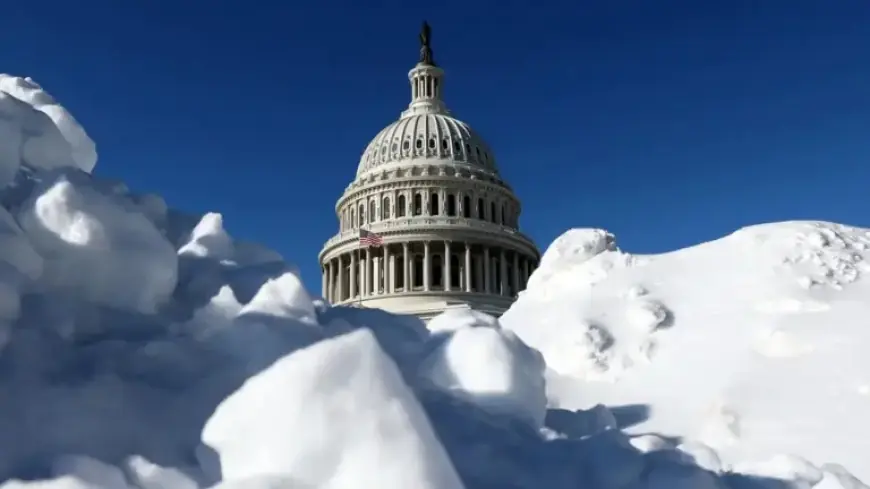
The U.S. government is currently facing a partial shutdown. This situation arose after Congress failed to finalize a spending package by the midnight deadline on a recent Friday. As a result, funding has lapsed for several federal departments, including Defense, State, and Health and Human Services.
Key Events Leading to the Partial Government Shutdown
On Friday, the Senate successfully passed a bill aimed at funding various government agencies through the end of the fiscal year in September. Alongside this, they approved a two-week stopgap measure for the Department of Homeland Security. This temporary resolution allows lawmakers time to negotiate necessary reforms following two fatal shootings involving federal immigration officers.
House Approval Needed
Despite the Senate’s progress, the legislation still requires approval from the House, which is on recess until Monday. President Trump has endorsed the funding package, and a vote is expected upon the House’s return to Washington.
Context of the Shutdown
A week prior, Congress was poised to approve approximately $1.3 trillion in spending covering defense, health, transportation, and other areas. However, the shootings by immigration officers disrupted these plans. Democrats vowed to withhold support until immigration enforcement policies were addressed.
Senate Legislation Details
- Five appropriations bills were voted on:
- Defense
- Labor, Health and Human Services, Education
- Transportation, Housing and Urban Development
- State
- Financial Services and General Government
- A two-week extension for Homeland Security funding was also approved.
Returning lawmakers must act swiftly to minimize the impact of the shutdown. Most federal offices are closed over the weekend, which may limit immediate disruptions.
Challenges Within the House
Speaker Mike Johnson of Louisiana faces significant challenges with a slim majority. The conservative House Freedom Caucus has expressed opposition to certain aspects of the funding plan. This package requires approval from the Rules Committee first, where dissent within the Republican Party could pose obstacles.
Demands for Immigration Reform
In light of recent events, Democrats are advocating for comprehensive changes in how immigration officers operate. Proposed reforms include:
- Banning the use of masks by officers.
- Mandatory body cameras for all immigration agents.
- Establishing a uniform code of conduct, including use-of-force protocols.
- Regulations on the types of warrants for home entries.
- Elimination of “roving patrols” typically used during broad searches.
- Facilitating legal actions against immigration officers for misconduct.
- Ensuring clearer identification for all agents.
While some recommendations may gain bipartisan support, significant divisions remain within the Republican Party. Certain members, however, have shown interest in reform discussions, advocating for hearings and independent investigations. Others maintain that existing funding for oversight is adequate to support the enforcement of immigration laws.
As negotiations continue, the focus remains on resolving the government shutdown while addressing pressing immigration issues.