























Democrats’ Revolt Over DHS Funding Triggers Government Shutdown

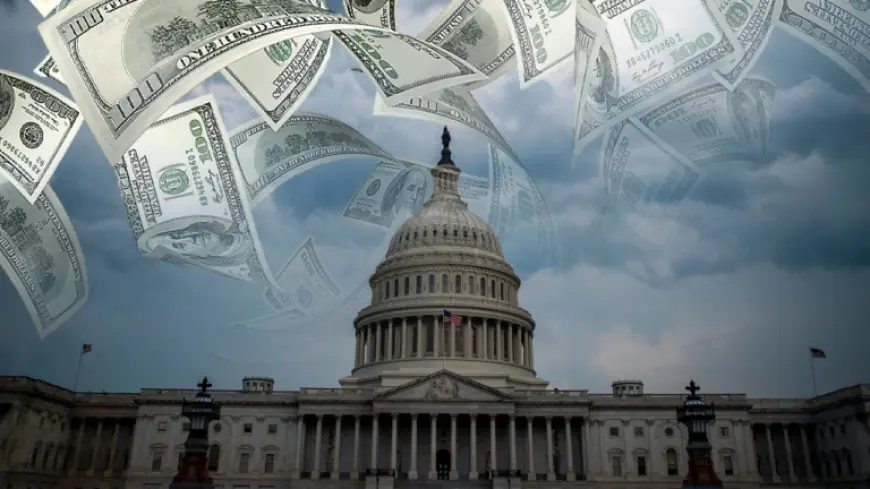
The federal government has entered a partial shutdown due to a failure to reach budget agreements before the January 30 deadline. This marks the second shutdown in six months, following a similar situation in late 2025. The Office of Management and Budget (OMB) is expected to notify agencies to prepare for the shutdown, starting just after midnight.
Key Events Leading to the Shutdown
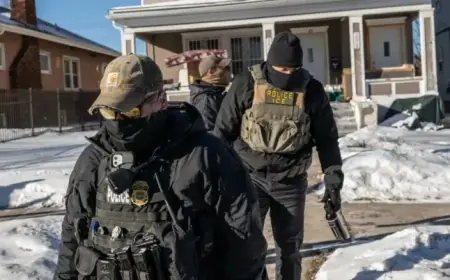
Senate Democrats opted out of a bipartisan funding deal amid escalating tensions over President Donald Trump’s immigration policies. This decision came after tragic incidents where federal officers shot and killed two U.S. citizens during protests in the Midwest, prompting Democratic leaders to hold back support for crucial funding bills.
Impact on Federal Operations
The ongoing partial shutdown affects various federal funding areas, while departments like Agriculture, Justice, and others continue to receive funding. However, a prolonged shutdown could lead to significant disruptions:
- Potential airline delays.
- Active-duty troops facing paycheck issues.
- Reduced Medicaid and Medicare services.
Negotiations and Proposed Solutions
Senate Democrats have reached a tentative agreement with the White House to fund most government operations through September 30, 2026, except for the Department of Homeland Security (DHS). This agreement will temporarily extend current funding levels for the DHS to allow more time for negotiations regarding immigration enforcement.
Political Reactions
President Trump has publicly endorsed this funding agreement, urging Republican support. However, many Senate Republicans, especially from the House, expressed their frustrations with the inclusion of numerous earmarks and provisions that limit congressional oversight.
Sen. Lindsey Graham (R-S.C.) voiced his anger towards certain legislative provisions, indicating potential conflict within the party as the negotiations continue.
Next Steps in the Legislative Process
The modified funding plan successfully passed in the Senate but now requires another vote in the House. House Speaker Mike Johnson (R-La.) faces the challenge of uniting both parties to finalize the deal. The duration of the partial shutdown will depend on how swiftly the House can act to resolve these funding matters.
This situation underscores the ongoing complexities of federal budget negotiations and the impact that political disagreements can have on government operations as seen in this recent government shutdown triggered by a revolt over DHS funding.