

























Minnesota Seeks Change After Bovino’s Departure Spurs Crackdown

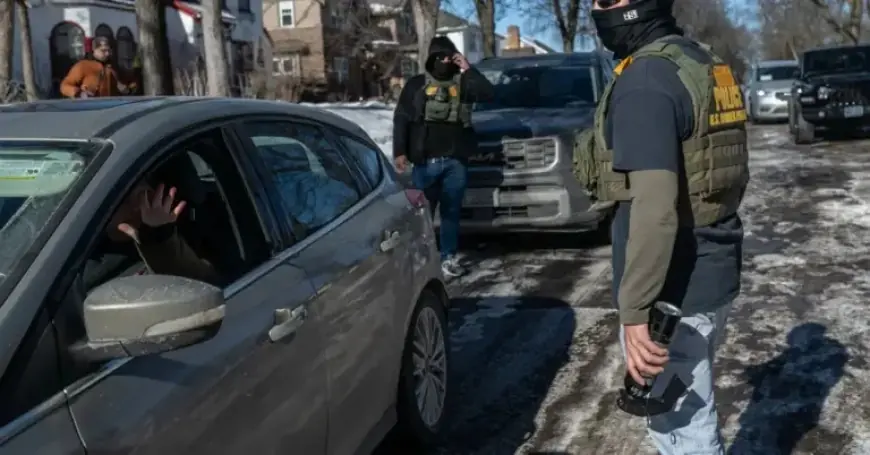
In the midst of rising tensions following the death of 37-year-old nurse Alex Pretti, Minnesota is seeing shifts in federal immigration enforcement practices. The killing of Pretti by Immigration and Customs Enforcement (ICE) agents has ignited public outrage, prompting community groups to closely monitor federal activities in Minneapolis and its suburbs.
Minnesota’s Response to ICE Operations
Community organizers reported that ICE arrests seemingly decreased in visibility within the last week. However, the exact reasons for this change remain unclear. While some activists believe this indicates a slowing of operations, others suspect a more discreet approach is being adopted by the Trump administration.
Impact of Pretti’s Death
In response to public backlash, Gregory Bovino, a senior Border Patrol official in Minnesota, was removed from his position. Furthermore, the Justice Department announced a civil rights investigation concerning Pretti’s death. Although the Department of Homeland Security did not confirm changes in ICE’s operational patterns, the atmosphere in Minnesota shows widespread resistance to the government’s aggressive immigration policies.
Community Vigilance
Local residents and officials continue to keep a watchful eye for ICE agents. Activists frequently patrol neighborhoods, gathering data on license plates associated with federal agents. This proactive approach aims to alert residents about potential arrests.
- Will Stancil, a lawyer and activist, has tracked ICE movements actively for 22 days.
- Despite an absence of visible arrests on recent patrols, residents remain vigilant.
- Reports indicate a persistent presence of ICE, despite apparent operational changes.
Public Demonstrations Against ICE
Protests erupted outside the Bishop Henry Whipple Federal Building, where clergy members voiced their opposition to ICE tactics. Demonstrators filled nearly 10 city blocks in central Minneapolis, highlighting the community’s determination to resist aggressive immigration enforcement.
Ongoing Monitoring Efforts
While community sentiment suggests a possible adjustment in ICE’s approach, activists remain on alert. Stancil noted that even minor shifts in tactics, like fewer large convoys, still warrant caution. “Fear will remain long after they leave,” he remarked, emphasizing the lasting impact of current enforcement practices on the community.
As Minnesota grapples with its immigration policies, the demand for accountability and reform continues to grow. Residents are unyielding in their commitment to monitor federal activities and advocate for change.