






















Russia Claims Temporary Ceasefire in Kyiv Only Until Sunday

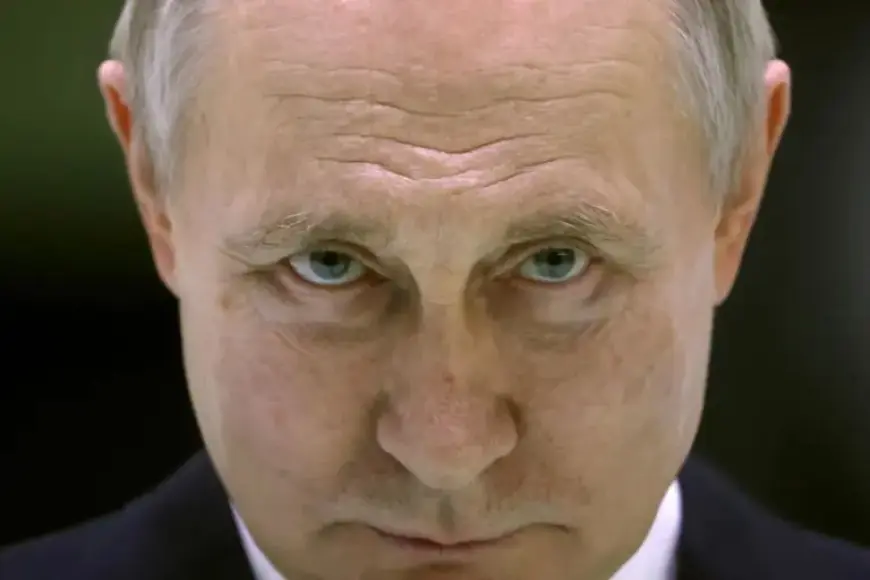
On January 30, Russia announced that it was asked by former U.S. President Donald Trump to halt attacks on Kyiv until February 1, 2026. This statement was made by Kremlin spokesperson Dmitri Peskov, who clarified the situation after confusion arose regarding the nature of Trump’s request.
Details of the Ceasefire Request
According to Trump, Russian President Vladimir Putin had agreed to his request to refrain from striking not just Kyiv but also other Ukrainian cities for one week. He emphasized that this was aimed at creating favorable conditions for negotiations amidst extreme winter temperatures affecting Ukraine.
- Date of Agreement: January 30, 2026
- Request Duration: Until February 1, 2026
- Conflicted Scope: Public statements differed regarding the areas included in the ceasefire.
Recent Russian Attacks
Despite the claims of a temporary ceasefire, reports indicated continued Russian aggression. The night before this announcement saw a mass drone attack where Russia deployed 111 drones and one ballistic missile, resulting in six civilian deaths and 20 injuries throughout the country.
Ukrainian Response and Context
Ukrainian President Volodymyr Zelensky reported minimal strikes on energy infrastructure during the night, suggesting that the countdown for the proposed ceasefire had begun. He stated that there was “no direct dialogue” regarding an official agreement with Russia concerning the energy sector.
- Recent Missile Strikes: Attacks targeted energy infrastructure and residential areas.
- Locations Affected: Kharkiv, Zaporizhzhia, and Odesa.
- Total Victims: 6 civilians killed and 20 injured on January 30.
Zelensky expressed gratitude towards Trump for his efforts, calling the remarks significant for the security of Ukrainian cities during this freezing winter. He also emphasized Ukraine’s readiness for de-escalation if Russia reciprocates by not targeting Ukrainian energy systems.
Ongoing Challenges in Ukraine
Ukrainian cities continue to face immense challenges as they recover from previous Russian strikes that have left many without heating. As of January 30, over 6,000 residential buildings were still without heat since the initial major attacks on January 9.
As the situation develops, both sides appear to be preparing for upcoming negotiations set for February 1, 2026. The humanitarian crisis amidst the coldest winter since the war’s escalation continues to highlight the urgency of resolving the conflict.