
























catherine o'hara movies and tv shows: a viewing guide to her best work

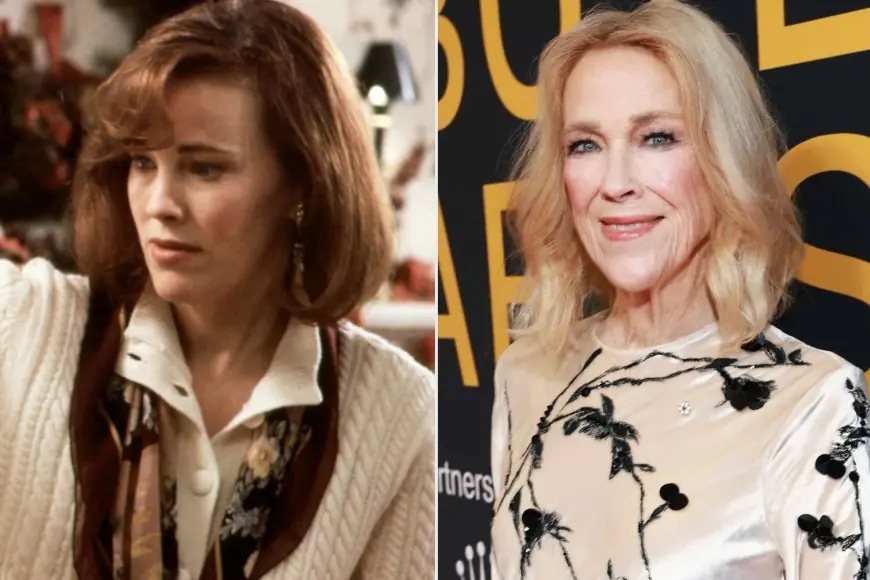
Catherine O’Hara died on Friday, Jan. 30, 2026 (ET), at 71, after a brief illness, prompting a wave of viewers to revisit the performances that made her one of comedy’s most precise and beloved character actors. If you’re searching catherine o'hara movies and tv shows, the challenge isn’t finding titles—it’s choosing where to begin in a career that spans sketch comedy, mainstream blockbusters, cult mockumentaries, animation, and an all-time late-career TV role.
What follows is a practical watch guide that highlights the projects most associated with her range: the improviser, the scene-stealer, the emotional anchor, and the performer who could make an absurd character feel achingly real.
catherine o'hara movies and tv shows: the essential first picks
If you only watch a handful, start here—these are the fastest routes to understanding her comedic voice and emotional control:
-
Schitt’s Creek (TV) — Her definitive late-career role as Moira Rose, equal parts operatic and deeply human.
-
Home Alone (Film) — A blockbuster performance built on frantic momentum and genuine parental fear.
-
Beetlejuice (Film) — Big comedic choices, razor timing, and a perfect feel for strange worlds.
-
Best in Show (Film) — A masterclass in character comedy inside an ensemble that never stops moving.
-
Waiting for Guffman (Film) — Improvised realism turned into small-town grandeur and heartbreak.
-
A Mighty Wind (Film) — Comedy with musicality, warmth, and a surprising emotional afterglow.
-
The Nightmare Before Christmas (Film, voice) — A showcase of her vocal flexibility and comic instinct.
-
Frankenweenie (Film, voice) — Tim Burton eccentricity with heartfelt shading.
-
The Last of Us (TV) — A striking dramatic-comedic turn that shows how she could pivot tone effortlessly.
-
SCTV (TV) — The foundation: sketch work that reveals how her characters are built from the inside out.
Sketch roots that shaped the craft
Before the films, the engine of her style was live, fast, and collaborative. On SCTV, she honed the skill that defines her best work: committing completely to a character’s internal logic, no matter how ridiculous the surface details appear. That’s why even her broadest roles land with specificity—her characters don’t “perform comedy,” they behave like real people with odd priorities.
This background also explains her precision in ensembles. She listens, reacts, and escalates in a way that makes scene partners better—an improviser’s habit that carried across decades, from sketch to mockumentary to prestige TV.
Blockbusters that made her a household name
A lot of audiences met her through two enduring mainstream hits.
In Home Alone, she grounds the chaos. The film’s premise is heightened; her performance is the emotional adhesive that keeps it from floating away. She plays panic, guilt, determination, and hope with such speed that the comedy never disconnects from the stakes.
In Beetlejuice, she’s a different kind of anchor: stylish, arch, and fearless about going big. It’s a reminder that her comedy wasn’t only about warmth—she could be sharp, vain, and deliriously theatrical while still feeling like a person.
The Christopher Guest era and the cult classics
O’Hara’s collaborations with Christopher Guest became a defining lane of modern comedy: mockumentary-style ensembles where the humor comes from character truth, not punchlines.
Waiting for Guffman, Best in Show, and A Mighty Wind are essential because they showcase what she did better than almost anyone: creating a fully lived-in person, then letting the comedy emerge naturally from that person’s needs, vanity, insecurity, or blind optimism. These films also show her musical timing—she understands rhythm the way a great musician does, and it’s embedded in her line delivery.
The Moira Rose renaissance and beyond
Her towering late-career achievement is Schitt's Creek. Moira Rose is a maximal character—voice, wigs, vocabulary, posture—yet the performance sticks because it contains real fear: of being irrelevant, of losing status, of having nothing left to protect her identity. O’Hara makes Moira hilarious without turning her into a joke, and that balance is why the role became cultural shorthand.
In the last stretch of her career, she kept expanding rather than coasting. The Last of Us and The Studio highlighted her ability to bring gravity to modern TV without sanding down her comedic edge. Even in voice work—like The Nightmare Before Christmas—she remained unmistakable: expressive, controlled, and emotionally exact.
How to watch her work now
If you want a single-night immersion, pick one early film, one Guest mockumentary, and then jump to Moira Rose:
-
Start with Home Alone or Beetlejuice for peak mainstream O’Hara.
-
Follow with Best in Show for ensemble improvisational brilliance.
-
Then begin Schitt’s Creek—the performance that turned a career into a legend.
Sources consulted: Associated Press; People; IMDb; TV Guide; The Guardian; Rotten Tomatoes.