























Minnesota Highlights Cracks in America’s Federal System

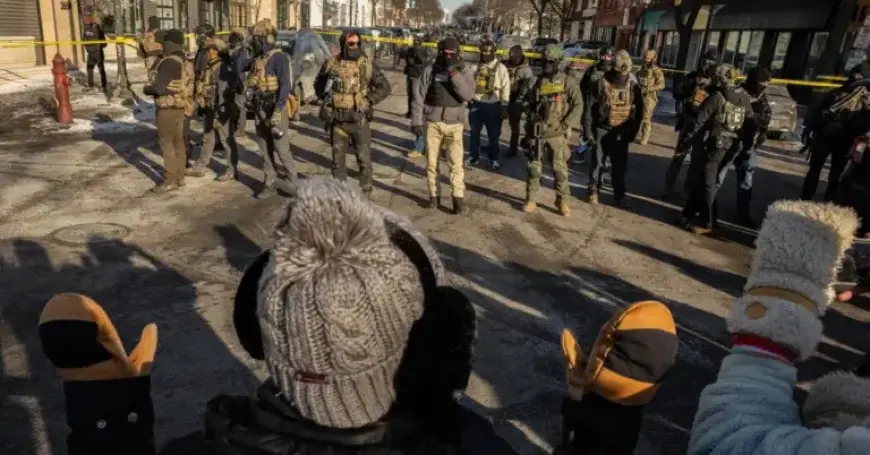
Recent events in Minnesota have underscored significant fractures in America’s federal system. Following the controversial killings of civilians Renee Good and Alex Pretti by federal immigration-enforcement officers, the narrative surrounding accountability has taken a dramatic turn.
Minnesota’s Legal Challenge Against Federal Authority
The state of Minnesota is asserting its rights by taking legal action against the Trump administration. One lawsuit seeks access to evidence regarding the killing of Pretti, which federal authorities have restricted from local investigators and the county prosecutor.
Federal officials, including Kristi Noem from the Department of Homeland Security, have implied that Good and Pretti provoked the incidents, despite video evidence indicating otherwise. This politicization of the investigation raises concerns about accountability.
The Role of the FBI in the Investigation
Initially, the federal investigation was assigned to Noem’s agency, which raised questions about impartiality. However, Deputy Attorney General Todd Blanche later announced that the FBI would conduct a standard investigation into the killings. This shift has not assuaged concerns about the exclusion of state and local officials from the investigation.
Federalism and the 10th Amendment
The legal disputes reflect a broader clash between state sovereignty and federal overreach. Minnesota’s lawsuits invoke the 10th Amendment, emphasizing the state’s sovereign interest in enforcing its own criminal laws.
This constitutional amendment, which James Madison championed, serves to safeguard states from unwarranted federal power. Historically, it has been both a shield for state rights and a point of contention, particularly in contexts such as civil rights and law enforcement.
Historical Context of Federal Overreach
- During Reconstruction, federal authority grew in response to state-perpetrated violence.
- Significant civil rights milestones saw federal intervention, particularly during the civil rights movement, as states often failed to protect citizens.
- High-profile cases, including those of George Floyd and Rodney King, highlight ongoing tensions between state and federal approaches to law enforcement accountability.
The Summit of State and Federal Conflicts
The recent tensions extend beyond the immediate investigations. Minnesota’s local government has increased its resistance to federal immigration enforcement, exemplifying the growing divide over policy and law enforcement practices. The state has fortified ordinances that prevent police cooperation with federal immigration officials.
As cities adopt similar stances, more significant movements against federal measures are likely to emerge across the country. Local prosecutors, including Mary Moriarty of Minneapolis, are mobilizing to combat federal actions that infringe on state laws.
Potential Paths Forward
Several Minnesota officials are facing federal inquiries in response to their stances. These developments indicate that the relationships between state and federal entities are increasingly contentious. However, state officials maintain that they are committed to protecting their communities and holding federal authorities accountable.
The situation in Minnesota represents a pivotal moment in U.S. governance, illustrating the ongoing struggle between maintaining civil rights and ensuring accountability amid clashes of authority. As this legal battle unfolds, it may well set a precedent for future interactions between state and federal jurisdictions.