Melania Trump Movie “Melania” Arrives With a Glossy Premiere—and a Bigger-Than-Expected Business Bet

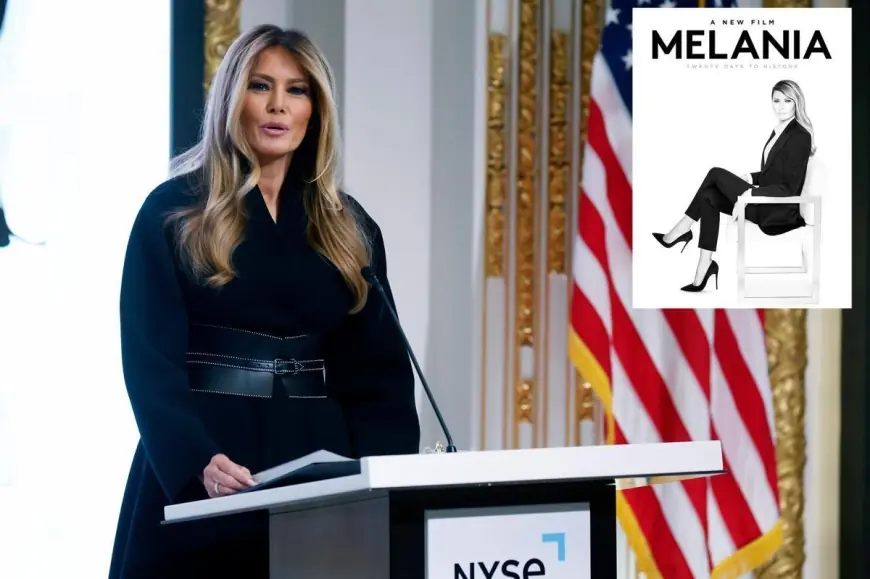
The Melania Trump movie is no longer just a curiosity floating around entertainment and political chatter. It’s here, landing with the kind of high-profile rollout usually reserved for blockbuster fiction: a red-carpet-style premiere in Washington, a wide theatrical release, and a marketing push built around sleek black-and-white imagery and “you’ve never seen this side before” intrigue.
Titled “Melania,” the film positions itself as a behind-the-scenes portrait of the First Lady during the compressed, high-pressure stretch leading into a return to the White House—part image-making, part personal narrative, and part access-driven documentary. Whether audiences view it as cinematic storytelling or strategic brand polishing, the project is arriving as one of the most unusual releases of the season: a political-adjacent documentary packaged with mainstream movie scale.
What the Melania Trump movie is actually trying to be
“Melania” isn’t framed like a standard biography that recaps childhood, career milestones, and a neat timeline. Its hook is immediacy. The storyline centers on the intense ramp-up period before an inauguration and the logistical, emotional, and public-facing shift that comes with stepping back into one of the most scrutinized roles on Earth.
That approach matters, because Melania Trump has long been treated as a supporting character in other people’s narratives—often spoken about more than heard from. The movie attempts to reverse that dynamic by putting her perspective front and center: her routines, her decision-making, her family role, and the way she navigates a public identity that’s been defined as much by absence and restraint as by visibility.
In practical terms, the pitch is simple: access. The promise is footage and moments that feel closer than the typical press appearance, presented with a polished, fashion-forward tone that matches how she has always been marketed—controlled, composed, and camera-aware.
A theatrical rollout that signals bigger ambition than “niche documentary”
The release strategy is the real headline. This isn’t a limited run aimed only at political diehards or documentary completists. The melania trump movie is opening widely, a signal that its backers see it as a commercial event—one that can pull in curiosity viewers, pop-culture watchers, and audiences who treat first-family stories like prestige television.
There’s also a second layer to the rollout: the film is expected to move from theaters to streaming after its initial run. That combination—big-screen debut followed by living-room availability—suggests a hybrid strategy built for maximum reach. Theatrical release creates the “moment.” Streaming extends the lifespan, keeping the conversation alive long after opening weekend.
The director factor: a creative choice that shapes the conversation
No matter how the film looks on screen, the person behind the camera will influence how it’s received. The director’s involvement has already become part of the public debate around the project—less about visual style and more about what the choice represents.
For some viewers, the creative team signals an effort to deliver a slick, cinematic product rather than a simple informational documentary. For others, it raises questions about optics and judgment—especially in a climate where audiences increasingly care about who gets the microphone, who gets second chances, and what institutions or power structures are being reinforced.
That tension may end up boosting attention either way. In the current media ecosystem, controversy doesn’t just compete with marketing—it often becomes the marketing.
Why this film is landing now
Timing is the point. The film arrives during a political moment where every gesture is interpreted as message, and where personal branding and public policy often share the same stage. Melania Trump’s public image has remained more enigmatic than many modern first ladies—less defined by frequent speeches and more by selective appearances, curated messaging, and a strong visual identity.
“Melania” appears designed to fill that gap with a narrative that is both personal and strategic: an attempt to shape how she’s understood in the present tense rather than through recycled headlines from the past. It also provides a ready-made platform for highlighting initiatives and priorities she wants associated with her name—without relying on traditional media formats or campaign-style messaging.
What viewers can expect on screen
The safest expectation is that the film will lean into three things:
-
Controlled access: scenes that feel intimate, but still carefully composed
-
A style-first sensibility: visuals and pacing that treat image as storytelling, not decoration
-
A focused timeframe: a narrow slice of life meant to imply a larger identity
Whether audiences find that compelling will depend on what they’re looking for. If you want raw messiness and unfiltered confession, this may feel too polished. If you’re drawn to the mechanics of high-status public life—how events are planned, how appearances are built, how roles are performed—this is exactly the lane the film is trying to own.
Early pressure points: politics, performance, and global reception
Even before broad audience reactions settle in, the film is already facing the kinds of variables that don’t usually hit typical documentaries:
-
Polarization risk: some viewers will treat it as propaganda; others as long-overdue perspective
-
Box-office uncertainty: curiosity can spike opening interest, but repeat viewing is less predictable
-
International complications: distribution decisions in certain regions have already shown signs of sensitivity to political climate and diplomatic tensions
The result is a release where the movie itself is only half the product. The other half is the conversation around it—who it’s for, why it exists, and what it’s trying to accomplish.
What happens next
If the theatrical run delivers strong turnout, expect the film to expand beyond “premiere buzz” into a broader cultural talking point—especially once it reaches streaming and becomes frictionless to sample. If turnout is soft, the film may still succeed as a brand project: something designed to define an image, not dominate a weekend chart.
Either way, the Melania Trump movie is a reminder of where modern fame sits in 2026: politics, entertainment, and personal branding aren’t separate lanes anymore. They’re one highway—and “Melania” is driving straight down the middle of it.