




















Sean Mannion Named Eagles Offensive Coordinator: Philadelphia Bets on a Fast-Rising QB Mind After a Championship Hangover

The Philadelphia Eagles have hired Sean Mannion as their new offensive coordinator, making a high-visibility bet on a young coach with a quarterback-centric résumé and limited time on the NFL coaching ladder. The move, announced Thursday, January 29, 2026 ET, comes after Philadelphia’s offense slid sharply in 2025, forcing the franchise to decide whether it needed a full philosophical reset or a targeted rebuild around structure, sequencing, and quarterback efficiency.
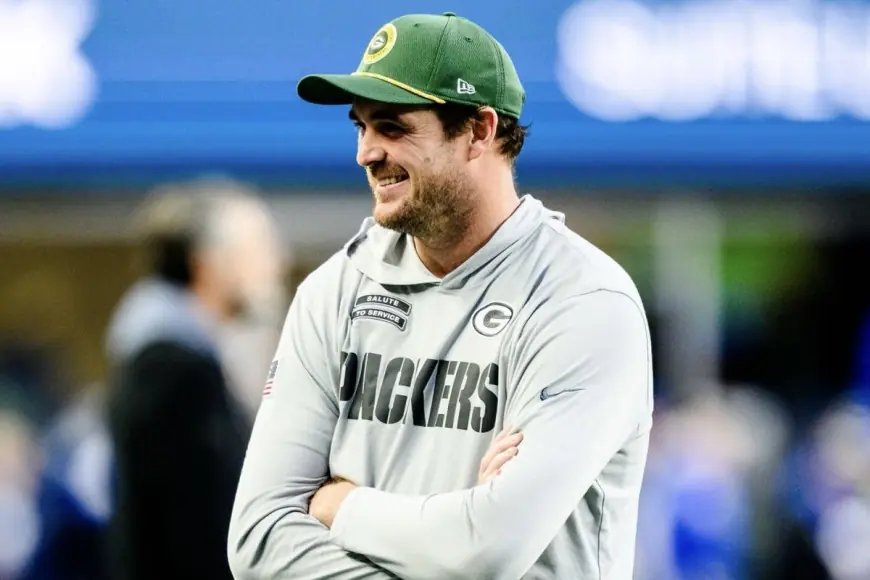
Mannion, 33, arrives from Green Bay, where he served as quarterbacks coach after joining the staff as an offensive assistant in 2024. He replaces Kevin Patullo, who was removed from the role earlier this month following a season in which the Eagles finished 19th in points scored and 24th in total offense a year after lifting the Lombardi Trophy.
Why the Eagles picked Sean Mannion for the Eagles OC job
Philadelphia’s hire reads like a deliberate swing at three things the organization wants at once: modern offensive answers, better quarterback process, and a coach who can grow with the roster.
Mannion’s selling points are straightforward:
-
Quarterback development credibility: In Green Bay, he worked closely with Jordan Love during a season in which Love posted a 66 percent completion rate with 23 touchdowns and six interceptions.
-
Scheme exposure across multiple systems: As a player and coach, Mannion has been around a wide range of offensive approaches, including versions of the Shanahan-style tree that emphasizes motion, play-action, and timing-based throws.
-
Communication and structure: Philadelphia’s issues in 2025 were not only about talent. The offense often looked disjointed in situational football, and a coordinator’s ability to create “answers” versus common defensive looks can change weekly outcomes fast.
The headline, though, is risk tolerance. Mannion began coaching in 2024. The Eagles are handing a contending roster to a first-time NFL coordinator in one of the league’s most scrutinized jobs.
Behind the headline: incentives, pressure points, and what this hire is really about
This isn’t just a coaching hire. It’s an accountability map.
For head coach Nick Sirianni, the incentive is to stabilize an offense that became a weekly storyline in 2025. Whether Mannion calls plays or Sirianni stays heavily involved is not confirmed, but the organization’s direction is clear: the Eagles want a cleaner offensive identity and fewer stretches where the unit feels stuck.
For the front office, the incentive is roster clarity. If the offense rebounds with better structure, the team can treat 2025 as a coaching problem and avoid a costly personnel overhaul. If the offense stalls again, it forces bigger decisions about roster construction, roles, and long-term investment.
For Mannion, the incentive is career-defining. This job can turn into a head-coach launching pad if it works, or a short-lived pressure-cooker if it doesn’t. Philadelphia has cycled through offensive coordinators rapidly, and that history will shape how patient the building is when the first rough month hits.
What Sean Mannion’s background suggests about the 2026 Eagles offense
Mannion was a record-setting college quarterback at Oregon State and played nine seasons in the NFL, including time with the Rams, Vikings, and Seahawks. That matters because former quarterbacks often coach from a “why” perspective: reads, leverage, timing, and how to keep an offense on schedule.
If Mannion imports the best of what he’s been around, here’s what could change in Philadelphia:
-
More defined early-down plans: fewer wasted plays, more second-and-manageable situations
-
More motion and formation variation: helping the quarterback identify coverage and create easier throws
-
A stronger middle-of-field passing menu: concepts that punish two-high shells without relying on low-percentage sideline heroics
-
Run-pass cohesion: marrying the run game, play-action, and quick game so defenses can’t key on tendencies
None of that requires reinventing the Eagles’ DNA. It’s about reducing friction and increasing repeatability.
What we still don’t know
The hire answers “who,” but the most important questions are still open:
-
Play-calling authority: whether Mannion is the primary Sunday play-caller or part of a shared model
-
Staff build-out: which assistants will be added around him, especially for run-game coordination and pass-game design
-
How the offense evolves around Jalen Hurts: whether the 2026 plan leans more into quick-game efficiency, deeper play-action, or a renewed QB-run emphasis
-
How quickly the install takes: first-time coordinators often win or lose early on teaching pace and situational detail
These are the levers that decide whether the change is cosmetic or transformational.
What happens next: realistic scenarios and triggers
-
Fast offensive rebound
Trigger: clear play-calling structure, improved early-down efficiency, and fewer stalled drives against top defenses. -
Early growing pains, then stabilization
Trigger: the offense starts uneven as Mannion adjusts to game-day sequencing, then improves as tendencies and situational calls sharpen. -
Sirianni-heavy offense with Mannion as architect
Trigger: Mannion drives weekly structure and quarterback process while the head coach keeps the final say on Sundays. -
Another year of volatility
Trigger: persistent issues in the red zone, third down, and explosive-pass creation force midseason tweaks and reignite pressure on the entire offensive structure.
Philadelphia’s message is unmistakable: the Eagles believe their offensive talent is still championship-level, and that coaching structure is the quickest path back. The Mannion hire is the franchise choosing a high-upside, quarterback-driven reset over a safer retread—one that will be judged quickly, loudly, and almost entirely by what the offense looks like in September.