Heat vs Bulls Turns Into a Three-Game Sprint With Play-In Stakes for the Chicago Bulls

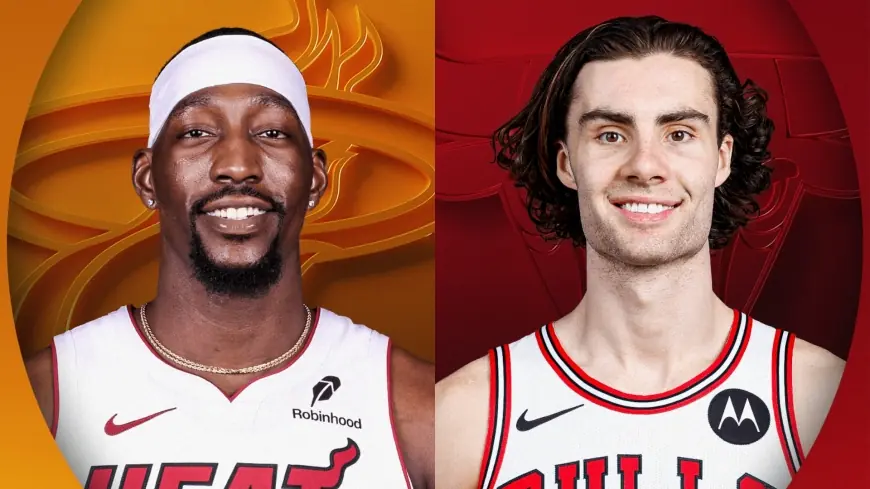
Heat vs Bulls is suddenly more than a routine regular-season matchup, with the Chicago Bulls and Miami Heat set for an unusual three-game stretch in four days that could reshape the Eastern Conference Play-In picture. Thursday’s meeting is scheduled as a makeup game after a January postponement, and it now kicks off a mini-series that both teams will treat like a playoff tune-up.
Tipoff is set for 8:00 p.m. ET on Thursday, January 29, 2026, at the United Center in Chicago.
A postponed night in Chicago created an “unprecedented” mini-series
What makes this matchup stand out is the schedule quirk behind it. The original Heat vs Bulls game was postponed earlier this month because court conditions were deemed unsafe, and the league slotted the makeup date directly ahead of two previously scheduled games between the same teams in Miami. The result is a rare, tightly packed trilogy that forces both coaching staffs to adjust on the fly.
Further specifics were not immediately available on whether the league considered alternative dates that would have avoided a back-to-back style series between the same opponents, but the calendar is now locked in and the implications are clear. Three head-to-head games in such a short window can swing tiebreakers, change momentum, and expose roster depth issues fast.
Where the Bulls and Heat stand heading into the matchup
Miami enters the game at 25-23, while Chicago comes in at 23-24, putting both clubs in the middle of the Play-In chase. The standings math is simple: these are the kinds of games that feel like two-for-ones in the standings because they impact your record and directly damage a nearby rival.
Both teams also arrive off losses on Wednesday, January 28, 2026. Chicago dropped a 113-110 game at Indiana after leading late, while Miami fell 133-124 at Orlando in a high-scoring night that turned on a decisive run in the second half. The immediate challenge for both is managing fatigue and focus, since this first game is only the start of a sprint.
Some specifics have not been publicly clarified about how either team plans to manage minutes across the three-game set, particularly with several guards sidelined or questionable.
Injury picture: backcourts strained on both sides
The matchup is being shaped by availability as much as tactics. Miami is without key guards Tyler Herro (ribs) and Davion Mitchell (shoulder), and Terry Rozier remains out for non-injury reasons. Chicago is missing Josh Giddey (hamstring) and Tre Jones (hamstring), thinning the Bulls’ ballhandling options and putting more creation pressure on the remaining guards.
In a series like this, injuries can become more influential than usual because there is so little time between games to adjust. If one team is forced into extended minutes for a small rotation, the cumulative toll can show up by the third meeting, especially in late-game execution.
How the Play-In race and tiebreakers make these games feel bigger
The NBA’s Play-In format rewards teams that avoid the bottom spots while punishing those that slide late. In practical terms, finishing higher in the Play-In range can mean fewer elimination-style games, more home-court advantage, and a clearer path into the playoffs.
Mechanically, head-to-head results can matter when teams are clustered together, because tie scenarios often lean on season series outcomes before moving into broader conference record and other criteria. That is why a three-game series between direct competitors can function like a built-in tiebreaker battle. Coaches also tend to treat these stretches differently: rotations tighten, matchups get repeated until someone counters, and the chess match moves quickly because there’s no time to hide what works.
Who feels the impact beyond the standings
Ticket holders and arena staff in Chicago get a showcase game that suddenly carries playoff-level energy, while traveling fans and team operations staff face a compressed itinerary that can stress logistics. Players feel it most directly: preparation time shrinks, minor bumps become harder to manage, and scouting reports get tested repeatedly within days.
The stakes also ripple into the wider fanbases. For Bulls supporters, this is a chance to flip a recent narrative in which Miami has ended Chicago’s season in prior Play-In years. For Heat fans, it is a chance to reinforce separation from the pack and bank critical wins before the season’s final push.
The next milestone is immediate and verifiable: after Thursday night’s game in Chicago, the teams meet again in Miami on Saturday, January 31, 2026, at 8:00 p.m. ET, followed by a third matchup on Sunday, February 1, 2026, at 6:00 p.m. ET.