






















Sonya Massey Shooting: Sean Grayson Gets Maximum 20-Year Sentence as Case Reshapes Illinois Policing and Mental-Health Response

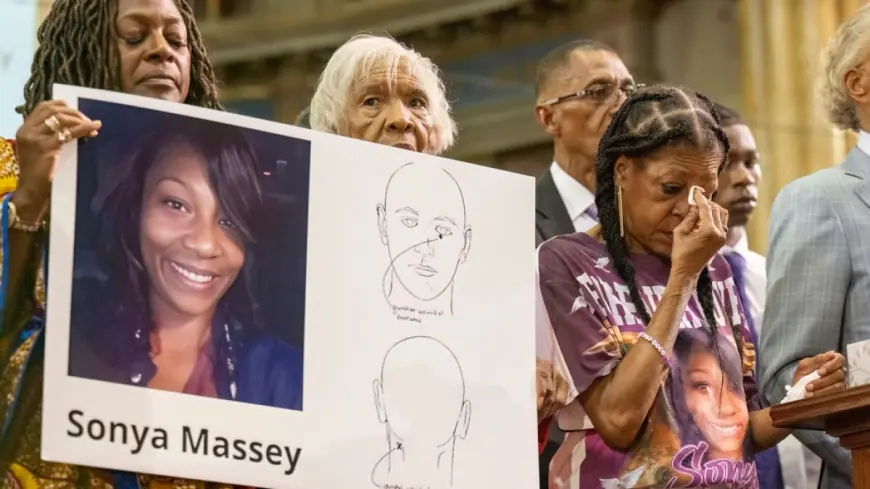
A judge in Illinois sentenced former sheriff’s deputy Sean Grayson to 20 years in prison on Thursday, January 29, 2026 (ET) for the fatal Sonya Massey shooting, handing down the maximum penalty available for his second-degree murder conviction. The sentence caps a case that began with a 911 call for help and ended with a nationally scrutinized body-camera recording, a courtroom battle over perceived threat versus excessive force, and a wave of policy changes aimed at preventing a repeat.
Massey, a 36-year-old Black woman, was killed at her home near Springfield after calling emergency dispatch to report a possible intruder and a broken window. Grayson, who had been a deputy with the Sangamon County Sheriff’s Office, responded with another deputy. Prosecutors argued Massey was not a threat and was complying when Grayson fired, while the defense claimed he feared she would throw hot water at him.
What Happened in the Sonya Massey Shooting
The encounter unfolded in the early hours of Saturday, July 6, 2024 (ET), around 2:20 a.m. ET, when deputies arrived at Massey’s home following her call for help. During the interaction inside the house, Massey was holding a pot of hot or boiling water. Video from the scene became central to the case because it captured rapid escalations: commands, movement in tight quarters, and Grayson’s decision to shoot.
The legal dispute was not whether Grayson shot Massey. It was whether the circumstances justified lethal force. Investigators and prosecutors pointed to the distance, the moment-by-moment compliance captured on video, and the speed of the escalation as evidence that the shooting was not necessary to protect life.
Grayson was fired soon after the incident and initially faced more severe charges. A jury ultimately convicted him of second-degree murder, a verdict that reflects a narrower finding than first-degree murder while still concluding the killing was criminal.
Why the Verdict Was Second-Degree Murder
The case turned on an argument familiar in American policing trials: whether an officer’s claimed fear, even if sincerely held, was reasonable under the circumstances. Second-degree murder, as applied here, allowed jurors to weigh the possibility that Grayson believed he faced imminent harm while still finding that belief was not reasonable and that his response crossed a criminal line.
That legal framing matters because it shaped both public reaction and sentencing expectations. Massey’s family and supporters pushed for a result that matched the initial first-degree murder allegations, viewing the video as incompatible with a “reasonable fear” narrative. The defense highlighted Grayson’s stated perception of danger and urged leniency at sentencing, including references to serious health issues. The judge imposed the maximum term anyway.
Under Illinois rules, the number of years served can be reduced through credit mechanisms, but any early release depends on how those rules apply to a specific case and on behavior and eligibility determinations over time.
Behind the Headline: Incentives, Stakeholders, and the System Failure the Case Exposed
This case became bigger than one deputy because it illuminated how multiple systems can fail simultaneously.
Context: Massey called 911 seeking safety. Instead, the response became a deadly confrontation inside her home. The video’s setting—an at-home encounter rather than a street stop—intensified the sense of vulnerability and public outrage.
Incentives: Law enforcement agencies are pressured to respond rapidly and assert control, especially in uncertain calls. Officers are trained to treat perceived threats as immediate. Those incentives collide with modern expectations that crisis calls, especially those involving mental-health concerns, require de-escalation and specialized support.
Stakeholders:
-
Massey’s family, who pursued accountability in court and through civil action
-
The sheriff’s office and county leadership, facing public trust damage and institutional scrutiny
-
Dispatchers and crisis-response systems, which determine what information officers receive before arrival
-
Communities watching how policing, race, and mental-health crises intersect at the moment of decision
Missing pieces: The public still lacks a universally trusted template for how crisis calls should be handled when information is incomplete and fear is high. The case also raised questions about screening and hiring practices—how officers with warning signs in their histories can continue moving through law-enforcement jobs.
Second-order effects: The aftermath has already shifted policy. Illinois enacted a law widely associated with Massey’s death that tightens police hiring transparency and background-check requirements. Separately, county-level reforms and federal oversight efforts have focused on improving responses to mental-health crises, including building out co-responder or mobile crisis models that reduce reliance on armed-only responses.
What Happens Next
Several developments will shape the next chapter of the Sonya Massey shooting story:
-
Appeals and post-conviction litigation, which can test whether trial rulings and jury instructions stand
-
Continued civil reform efforts, including oversight of dispatch practices and crisis-response capacity
-
Implementation pressure on the new hiring transparency rules—where “paper compliance” versus real behavioral change will be the dividing line
-
Ongoing public debate about what de-escalation means in practice when officers claim fear
The sentence delivered Thursday closes the criminal trial phase with the harshest punishment the court could impose for the conviction returned by the jury. The broader question now is whether the reforms sparked by Sonya Massey’s death produce measurable changes in how crisis calls are answered—so that a call for help does not become, again, a fatal encounter at home.